


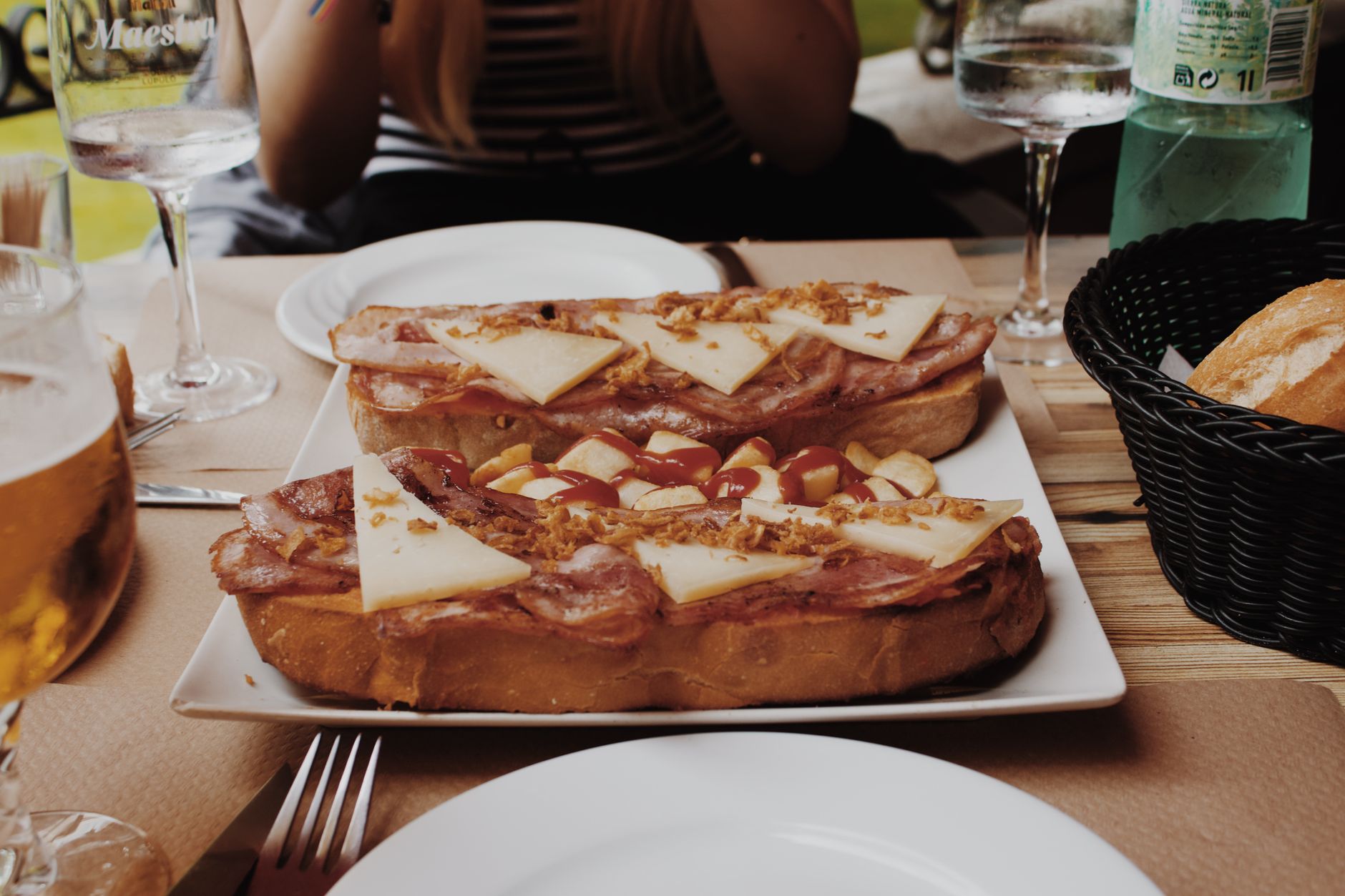

Wind whips across the high red clay plateau before you spot the towers, intricate brick and green ceramic rising above the gorge. Down on Calle Nueva, knives shave translucent ribbons of cured jamón de Teruel from pigs dried in the sierra air. Mudéjar masons left their finest work here in the 1300s, weaving Islamic geometry onto Christian bell towers. It is a sturdy provincial town that rewards slow walking and a good appetite.
Last updated 30 Aug 2026
Build a Teruel itinerary.
Choose up to 4 threads that pull you in. Your plan arrives organised around them.
The Bed
Where to stay in Teruel
Which part of town to book, and what each one costs you in walking, noise or quiet.
The Comparison
Teruel, or somewhere near it
The places you are realistically choosing between, and the honest case for each.
The Local Record
Where to read more about Teruel
The blogs, boards, guides and operators worth bookmarking.
What to do in Teruel Aragón Spain
Perched on a high bluff flanked by the Turia and Alfambra rivers, Teruel is compact and easily walked on foot. The rhythm here belongs to the locals: morning coffees beneath the small bronze bull in Plaza del Torico, quiet museum hours around the Mudéjar towers, and evening tapas hopping down Calle San Juan. It suits travellers who appreciate intricate architecture, honest mountain food, and towns where tourism has not polished away daily Spanish life.
24 hours in Teruel Aragón Spain
Start under the painted timber ceiling of Santa María Cathedral before ascending the San Martín tower. Lunch on Ternasco lamb and migas at an old town mesón, then visit the Amantes mausoleum. Spend the evening drinking somontano wine with plates of sliced jamón around Plaza del Torico. Everything sits within a ten-minute walk. Select 1 Day above to see it.
2 days in Teruel Aragón Spain
Take the morning to cross the sixteenth-century Los Arcos aqueduct and wander down La Escalinata. In the afternoon, head thirty minutes west to Albarracín to walk its timber-framed alleys and medieval walls above the river. Dine there on wild boar stew and cured sheep cheeses before returning to Teruel for the night. Choose 2 Days to expand the plan.
3 days in Teruel Aragón Spain
A third day lets you explore the truffle-producing hills around Sarrión or hike the pine forests of the Sierra de Javalambre. Alternatively, allocate an unhurried morning to the fossil collections at Dinópolis, followed by a long, slow lunch of mountain stews and almond pastries in the village of Mora de Rubielos.
Teruel Aragón Spain itineraries by interest
Cured Meats in Teruel Aragón Spain
Taste Jamón de Teruel DOP, sliced thin at modest bars along Plaza del Torico and cured across the cold, dry winds of the surrounding sierras.
Sacred Architecture in Teruel Aragón Spain
Climb to the Mudéjar bell towers of San Salvador and San Martín, fourteenth-century brickwork inlaid with green and white glazed ceramics.
Regional History in Teruel Aragón Spain
Visit the Mausoleo de los Amantes beside the church of San Pedro, where alabaster effigies mark the legend of the thirteenth-century lovers.
Modernist Architecture in Teruel Aragón Spain
Walk Plaza del Torico to study Casa Ferrán and Casa El Torico, early twentieth-century homes shaped by Catalan modernisme and curving ironwork.
Local Markets in Teruel Aragón Spain
Browse the stalls inside the Mercado Municipal for cured sausages, truffles from Sarrión, mountain cheeses, and regional saffron.
Tavern Dining in Teruel Aragón Spain
Order migas turolenses tossed with grapes and pork, followed by roasted Ternasco de Aragón lamb at unpretentious taverns near Calle San Juan.
Scenic Viewpoints in Teruel Aragón Spain
Walk the neo-Mudéjar staircase of La Escalinata down to the station, taking in wide views of the clay hills and pine forests surrounding town.
Fossil Heritage in Teruel Aragón Spain
Explore the paleontology exhibits and full-scale dinosaur reconstructions at Dinópolis on the southern edge of town along Polígono Los Hostales.
Day Trips in Teruel Aragón Spain
Drive thirty minutes west to Albarracín, a fortified pink-hued medieval village wrapped around a rugged canyon above the Guadalaviar river.
Walking Routes in Teruel Aragón Spain
Follow the Los Arcos aqueduct trail, a sixteenth-century stone viaduct that carries pedestrian paths out toward the dry red ravines.
Pastry Traditions in Teruel Aragón Spain
Stop at local pastelerías for suspiros de amante, delicate cheese-based tarts baked across the old town since the early twentieth century.
Mountain Escapes in Teruel Aragón Spain
Head south into the Sierra de Javalambre for quiet pine hiking trails, crisp high-altitude air, and black truffle foraging excursions.