


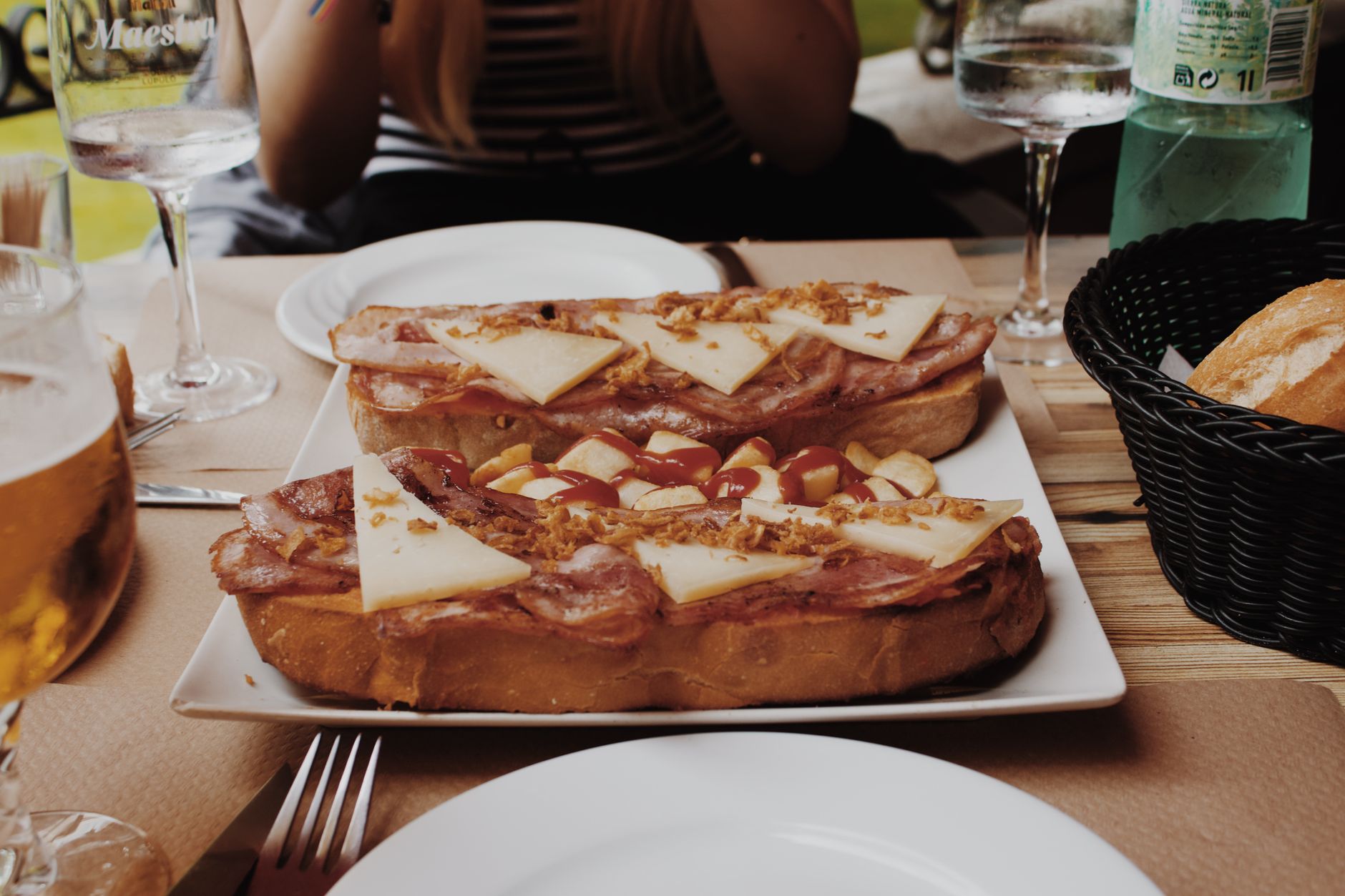

Albarracín sits thirty-five minutes west of Teruel and two hours from Valencia by car, pinned to a limestone gorge carved by the Río Guadalaviar. The town is known for its medieval pink-gypsum timbered houses and the sprawling eleventh-century defensive walls climbing the ridge. Albarracín is worth visiting if you want to walk preserved medieval ramparts on foot and eat mountain pork and cured sheep cheeses in rustic taverns. Look elsewhere if you need level, accessible walking streets, late-night transit, or lively nightlife.
Last updated 25 Sept 2026
Build a Albarracín itinerary.
Choose up to 4 threads that pull you in. Your plan arrives organised around them.
We'll craft a 4-lens plan for Albarracín, one collapsible strand per lens.
Medieval Fortifications
Climb the steep eleventh-century Murallas de Albarracín and the Torre del Andador for views over the Guadalaviar canyon.
Medieval Fortifications
Climb the steep eleventh-century Murallas de Albarracín and the Torre del Andador for views over the Guadalaviar canyon.
Walking the Moorish Ramparts
Murallas de Albarracín
Access the trail behind the Plaza Mayor. Admission is free; wear sturdy soles for the steep limestone path and allow ninety minutes.
Editor TipConstructed during the tenth and eleventh centuries under the Taifa of Albarracín, these defensive stone ramparts ride the spine of the mountain above the river. Watch your footing on the upper ridge where the stone path narrows without railings.
Climbing Red Sandstone Battlements
Castillo de Peracense
Buy entry at the gate for under four euros. Allow ninety minutes to scale the steep timber steps and outer curtain wall.
Editor TipBuilt in the thirteenth century from local rodeno sandstone, this fortress exploited sheer rock spurs to guard the border between the kingdoms of Castile and Aragón. The wind off the Jiloca valley is sharp year-round; bring a windbreaker even under full sun.
Mountain Meat
Order slow-braised jarrete de ternasco, roasted wild boar stew, and thick slices of cured Jamón de Teruel DOP across Plaza Mayor.
Mountain Meat
Order slow-braised jarrete de ternasco, roasted wild boar stew, and thick slices of cured Jamón de Teruel DOP across Plaza Mayor.
Mountain Cheese and Cured Ham
Café Bar El Molino
Order tostada con tomate, Jamón de Teruel, and local cured sheep cheese at the counter. Under six euros; take a table outside.
Editor TipTeruel ham is air-cured in the thin frost of the highlands, paired here with raw-milk sheep cheese shaped in the traditional carved-wood Tronchón moulds. Get there before nine to watch the butcher across the lane unload morning quarters.
Toasted Hogaza with Cured Ham
Bar La Taba
Order a tostada de pan de pueblo rubbed with tomato and topped with shaved Jamón de Teruel at the zinc counter. Breakfast runs under five euros; no reservation needed. Allow forty minutes.
Editor TipTeruel ham is cured in the dry, biting mountain winds of the sierra for at least fourteen months, producing a sweet, subtly nutty fat that melts instantly on warm crusty crumb. Take a stool near the doorway; you get the morning light and avoid the delivery crates coming into the kitchen.
Suckling Lamb and Mountain Cheese
Restaurante El Batán
Book a table online well ahead. Order the slow-roasted Ternasco lamb shoulder and a board of local raw sheep milk cheeses cured in rosemary.
Editor TipHighland pastures across the Sierra de Albarracín yield lean, aromatic lamb and firm cheeses that sustain the region through bitter winters. Step out back by the old wool mill before dinner; the cold rush of the Guadalaviar river clears the head.
Regional Cheese
Sample raw sheep milk Queso de Albarracín, aged in cellars with rosemary rub or red wine rinds alongside crusty pan de pueblo.
Regional Cheese
Sample raw sheep milk Queso de Albarracín, aged in cellars with rosemary rub or red wine rinds alongside crusty pan de pueblo.
Braised Venison and Mountain Cheese
Restaurante El Buen Yantar
Reserve two days ahead for eight-thirty. Order the civet of deer and a board of raw-milk Sierra de Albarracín sheep cheeses.
Editor TipTeruel mountain cooking relies on game hunted in the surrounding pine serranía and hard cheeses aged in the dry, high-altitude air. Ask for a local Somontano red; the dark fruit handles the rich venison reduction without drama.
Raw Sheep Milk Cheese Tasting
Quesos Sierra de Albarracín
Step into the tasting room to sample wedges from unpasteurised milk aged in rosemary and red wine manteca. Slices cost two to three euros each. Plan on thirty unhurried minutes.
Editor TipShepherds across this high plateau have worked with raw milk from hardy local sheep for centuries, crafting dense, butter-yellow curds with a clean, herbal acidity. Ask for the wedge rubbed in sage and pork lard; it holds up well in a daypack without weeping oil.
Note from the Editor
“Arrive before nine if you want the pink limestone alleys to yourself. The coaches roll in from Valencia around eleven, right when the stone starts soaking up heat and the climb up the walls gets serious.”
The Bed
Where to stay in Albarracín
Which part of town to book, and what each one costs you in walking, noise or quiet.
The Comparison
Albarracín, or somewhere near it
The places you are realistically choosing between, and the honest case for each.
The Local Record
Where to read more about Albarracín
The blogs, boards, guides and operators worth bookmarking.
What to do in Albarracín Aragón Spain
Life here arranges itself around the spine of the rock. You spend mornings climbing cobblestones between plaster walls tinted with rodeno earth, afternoons sheltering from the mountain wind over plates of lamb and cheese, and evenings tracing the perimeter walls. The town rewards walkers who appreciate medieval military engineering, honest Aragonese cooking, and steep terrain where cars cannot follow.
24 hours in Albarracín Aragón Spain
Start early at the Torre del Andador before the afternoon sun strikes the ridge. Head down to Plaza Mayor for a lunch of migas and roasted ternasco at El Rincón del Chorro. Spend the afternoon weaving past Casa de la Julianeta to the cathedral, then walk the river gorge path as dusk settles over the cliffs. Select 1 Day above to see it.
2 days in Albarracín Aragón Spain
A second day lets you drive ten minutes southeast into the Paisaje Protegido de los Pinares de Rodeno to track Levantine cave paintings among red sandstone boulders. Return for dry-cured sheep cheese and game stew at a tavern in the lower town along Calle San Antonio, avoiding the mid-day tour bus peak. Choose 2 Days to expand the plan.
3 days in Albarracín Aragón Spain
With three days, venture out into the high Montes Universales toward the mountain hamlets of Bronchales and Frías de Albarracín. Walk the quiet trails around the Cascada del Molino de San Pedro, then linger over cured pork loin and local truffle dishes without the need to race back to Teruel.
Albarracín Aragón Spain itineraries by interest
Medieval Fortifications in Albarracín Aragón Spain
Climb the steep eleventh-century Murallas de Albarracín and the Torre del Andador for views over the Guadalaviar canyon.
Mountain Meat in Albarracín Aragón Spain
Order slow-braised jarrete de ternasco, roasted wild boar stew, and thick slices of cured Jamón de Teruel DOP across Plaza Mayor.
Regional Cheese in Albarracín Aragón Spain
Sample raw sheep milk Queso de Albarracín, aged in cellars with rosemary rub or red wine rinds alongside crusty pan de pueblo.
Sacred Architecture in Albarracín Aragón Spain
Visit the 16th-century Catedral del Salvador, noting its gilded high altarpiece and the quiet cloister overlooking the gorge.
Rock Climbing in Albarracín Aragón Spain
Bouldering in the Pinares de Rodeno forest, navigating red Permian sandstone blocks under Scots pine shade along marked paths.
Prehistoric Art in Albarracín Aragón Spain
Walk the Rodeno trail to view Levantine rock art shelters showing prehistoric red-pigment paintings of hunters, deer, and bulls.
River Walks in Albarracín Aragón Spain
Follow the Paseo Fluvial along the Río Guadalaviar gorge beneath the limestone cliffs on wooden footbridges and stone paths.
Vernacular Buildings in Albarracín Aragón Spain
Examine the leaning Casa de la Julianeta and Casa de la Chimenea, framed in rough juniper timber and pink gypsum plaster.
Local History in Albarracín Aragón Spain
Tour the Museo de Albarracín in the former municipal jail to study eleventh-century Islamic ceramic fragments and tapestries.
Day Trips in Albarracín Aragón Spain
Drive west to the source of the Tagus River at Nacimiento del Tajo or explore the waterfalls at Cascada del Molino de San Pedro.
Forest Trails in Albarracín Aragón Spain
Hike the marked trails through the Sierra de Albarracín, passing stands of Spanish juniper, quiet ravines, and high pastures.
Rural Taverns in Albarracín Aragón Spain
Drink Somontano red wine with migas de pastor tossed with grapes and pancetta in warm, stone-vaulted dining rooms off Calle Portal.