

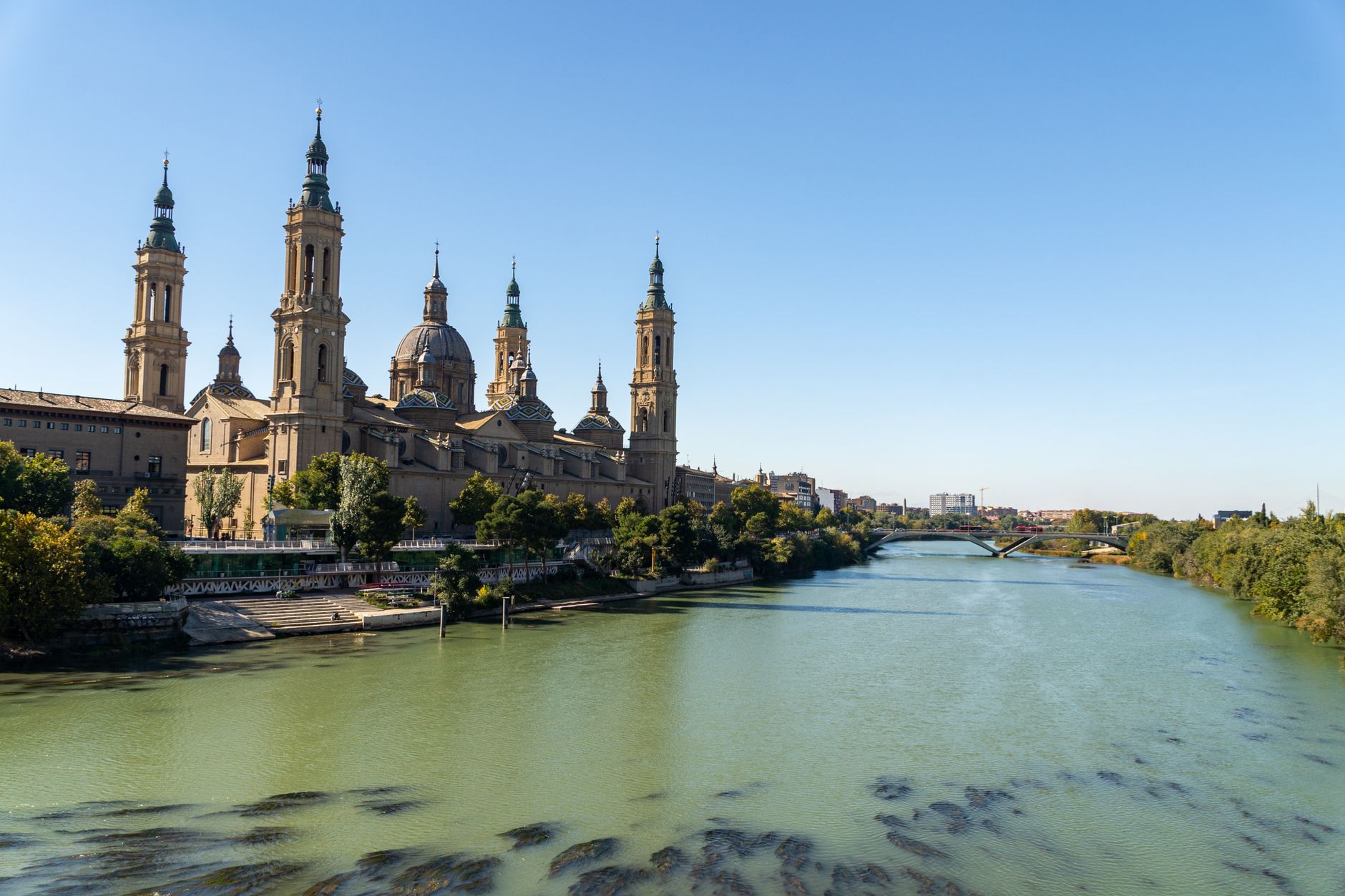
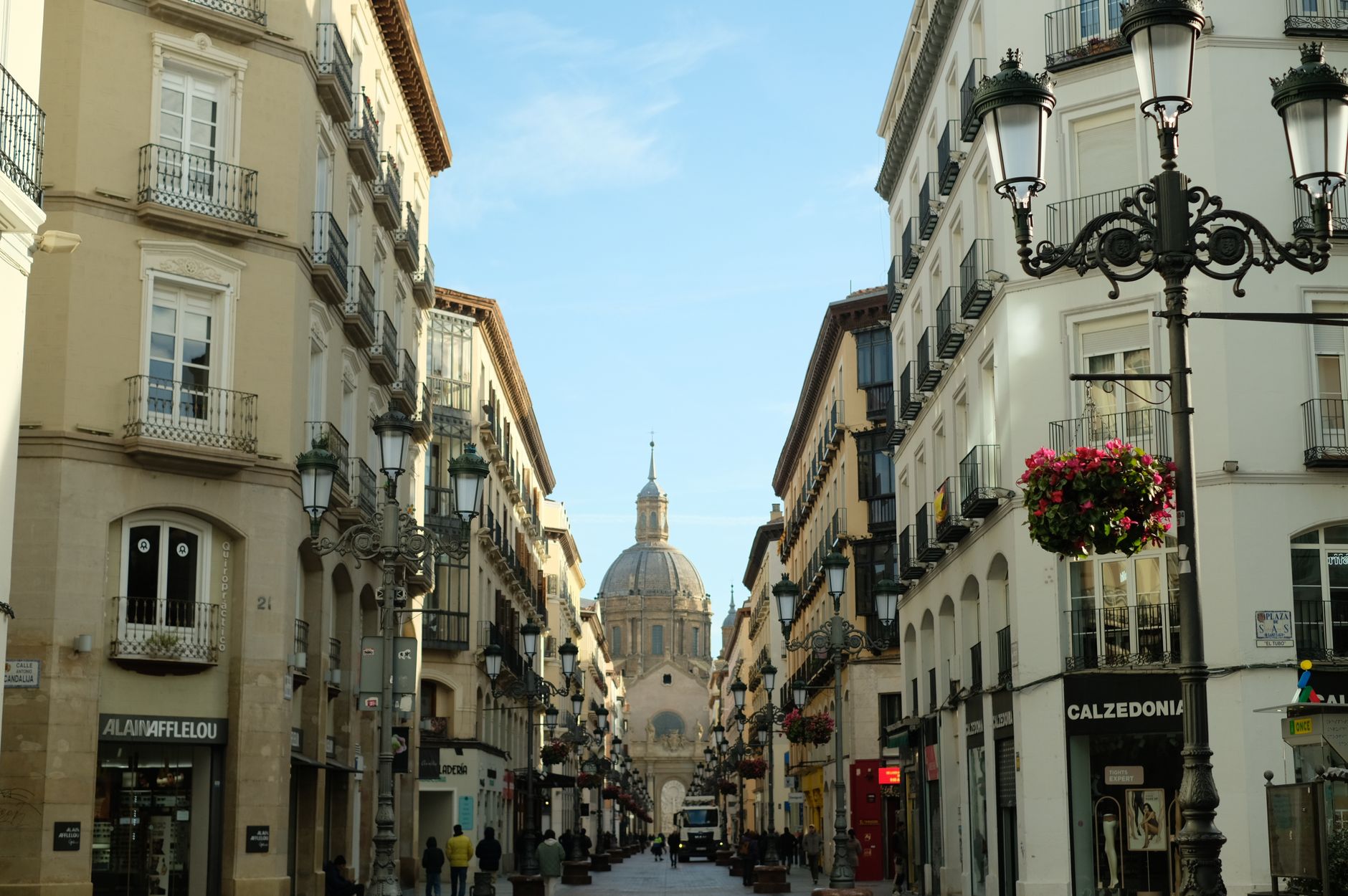
A dry wind off the Moncayo sweeps across the stone arches of the Puente de Piedra, rattling cafe awnings along the Ebro. Halfway between Madrid and Barcelona, Zaragoza works at its own unhurried tempo. Roman foundations sleep beneath the pavement, while Mudéjar brickwork and Goya frescoes anchor the skyline. By late afternoon, the wide expanse of Plaza del Pilar empties its crowd straight into the tight, bustling alleys of El Tubo for cold beer and grilled borage.
Last updated 30 Aug 2026
Build a Zaragoza itinerary.
Choose up to 4 threads that pull you in. Your plan arrives organised around them.
The Bed
Where to stay in Zaragoza
Which part of town to book, and what each one costs you in walking, noise or quiet.
The Comparison
Zaragoza, or somewhere near it
The places you are realistically choosing between, and the honest case for each.
The Local Record
Where to read more about Zaragoza
The blogs, boards, guides and operators worth bookmarking.
What to do in Zaragoza Aragón Spain
Zaragoza is compact, walkable, and mercifully free of coach tour scrums. Days here follow a civilised rhythm dictated by the sun and the appetite: mornings spent admiring Mudéjar brick patterns or Roman ruins, an afternoon lull along the riverbank, and long evenings drifting between tavern counters in El Tubo. It suits independent walkers, history lovers, and anyone who prefers regional cooking over polished tourist dining.
24 hours in Zaragoza Aragón Spain
Start early at the Basílica del Pilar before the tour groups arrive, then cross the plaza to La Seo cathedral. Grab lunch at Mercado Central for borage and cured ham. Spend the afternoon touring the Aljafería palace, then tackle El Tubo around eight for mushrooms at El Champi and glasses of cold Garnacha. Select 1 Day above to see it.
2 days in Zaragoza Aragón Spain
Day two adds the Roman museum circuit and the Goya collection around Plaza de los Sitios. Cross the Puente de Piedra to walk the quieter Arrabal district for wide views of the basilica towers. In the evening, trade El Tubo for the wine bars along Calle Heroísmo to sample roasted ternasco lamb and Campo de Borja reds. Choose 2 Days to expand the plan.
3 days in Zaragoza Aragón Spain
A third day allows a relaxed detour beyond the centre. Catch a short bus south to Cariñena for vineyard tastings among old Garnacha vines, or take a morning train toward Huesca to explore the dramatic Romanesque ramparts of Castillo de Loarre. Return in time for evening pastries at Fantoba.
Zaragoza Aragón Spain itineraries by interest
Tapas Culture in Zaragoza Aragón Spain
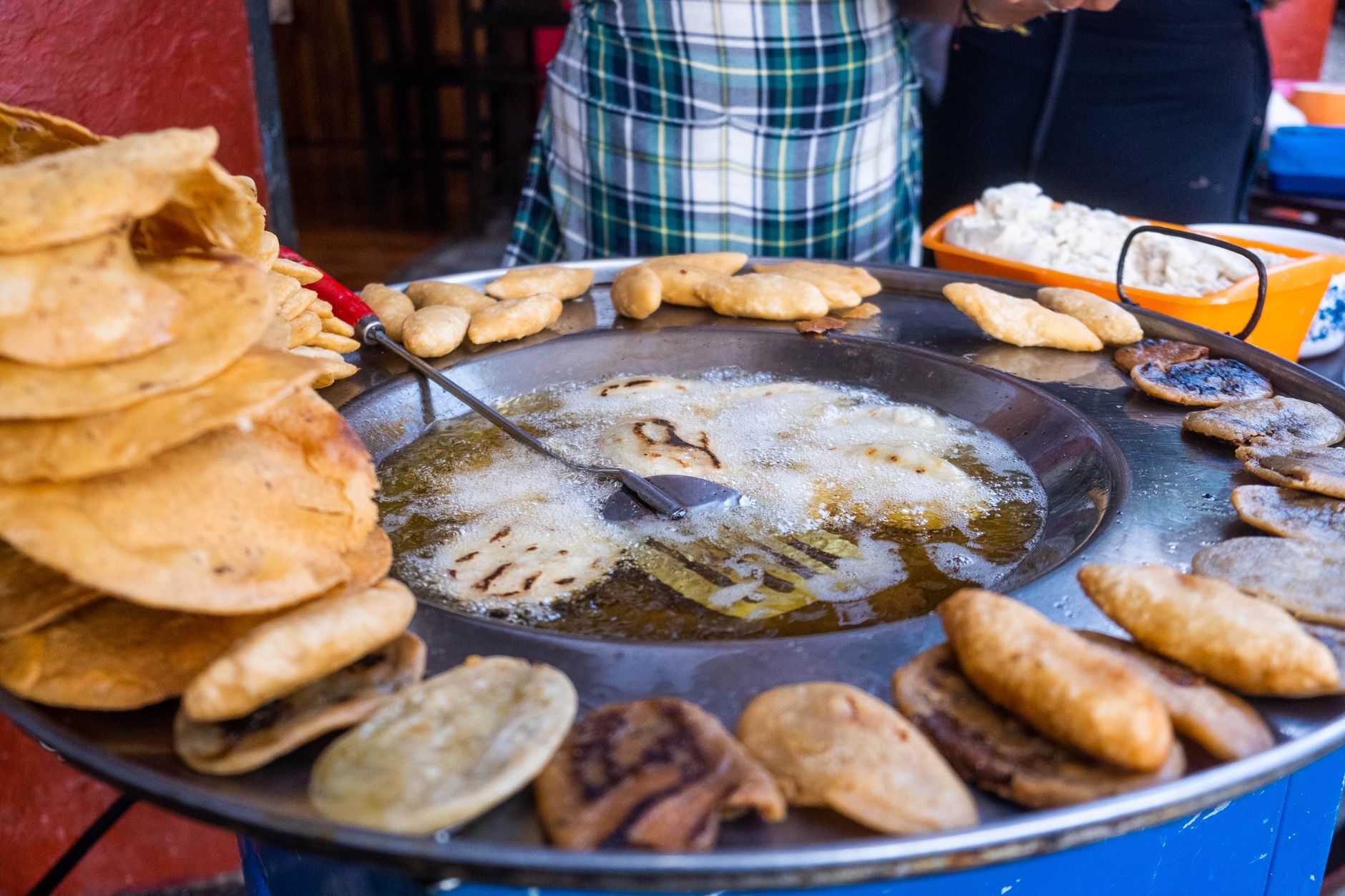
Graze through El Tubo alleys for grilled champiñones at El Champi, ternasco skewers, and local Somontano wine served over loud, stainless-steel counters.
Sacred Architecture in Zaragoza Aragón Spain
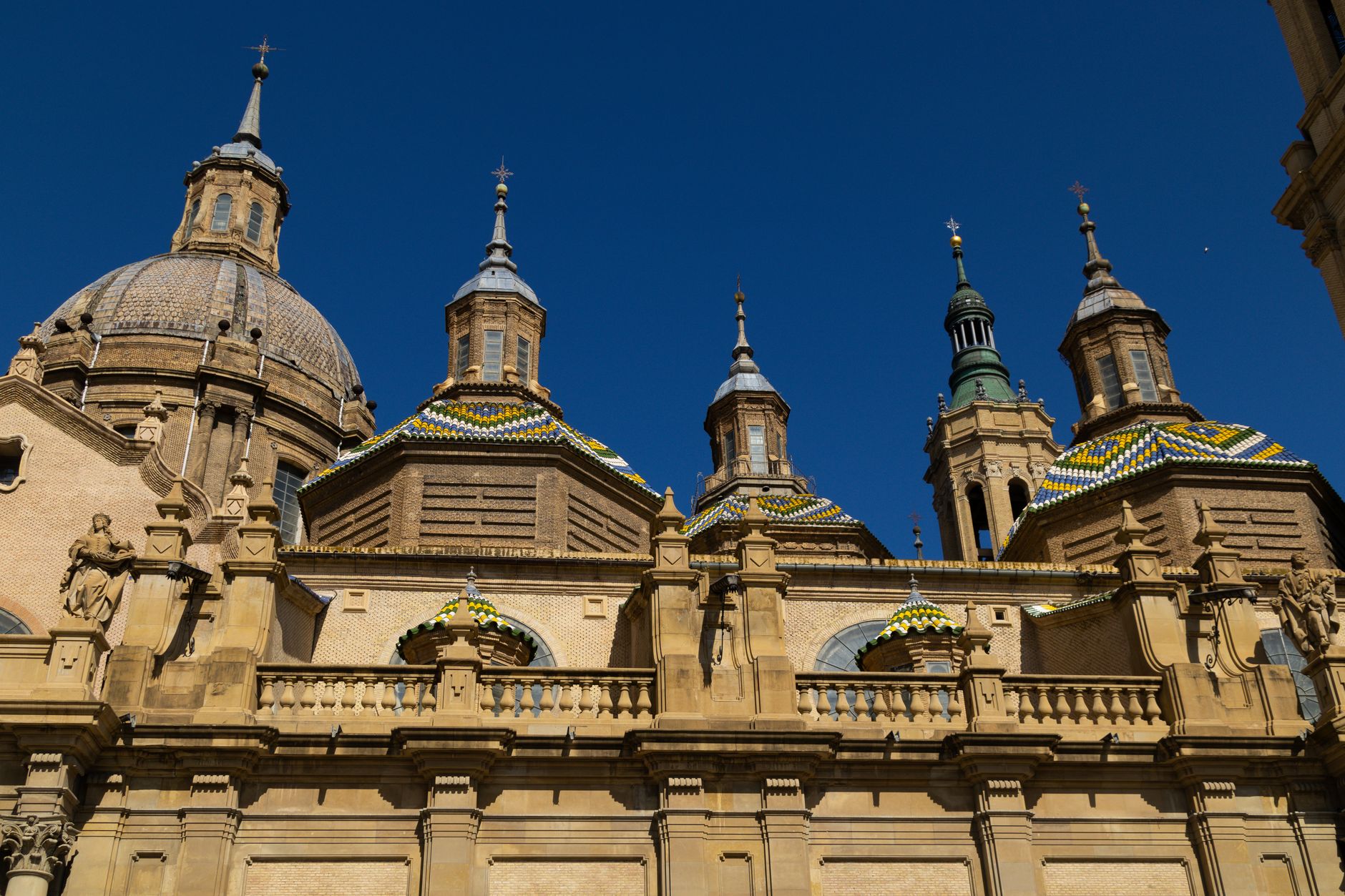
Marvel at the twin cathedrals: the vast Basílica del Pilar housing Goya frescoes and the La Seo cathedral with its intricate Mudéjar wall of glazed tiles.
Islamic Heritage in Zaragoza Aragón Spain
Walk the eleventh-century Palacio de la Aljafería, an Islamic fortress of scalloped arches and courtyards that later served the Catholic monarchs.
Fine Art in Zaragoza Aragón Spain
Study Francisco de Goya’s early prints and religious paintings at the Museo Goya and the Museo de Zaragoza, both walkable from the main square.
Roman History in Zaragoza Aragón Spain
Descend into the Caesaraugusta route covering the preserved Roman theatre, forum, public baths, and river port tucked beneath modern street level.
Local Produce in Zaragoza Aragón Spain
Inspect heaps of cardoon, wild borage, and flat peaches at the 1903 iron-and-glass Mercado Central, where vendors slice jamón de Teruel on demand.
River Walks in Zaragoza Aragón Spain
Stroll the Ebro riverbank from the Puente de Piedra to the Expo 2008 grounds, taking in water views and the striking curves of Zaha Hadid's bridge.
Regional Wines in Zaragoza Aragón Spain
Taste bold reds from nearby Cariñena and Campo de Borja, paired with cured sheep cheeses at traditional wine taverns along Calle Heroísmo.
Urban History in Zaragoza Aragón Spain
Wander the narrow streets of the old Jewish quarter in El Gancho, spotting preserved medieval brickwork and lively neighbourhood bakeries.
Traditional Pastries in Zaragoza Aragón Spain
Sample trenza de Almudévar, a laminated butter pastry laced with walnuts and raisins, fresh from the glass counters of Pastelería Fantoba.
Modern Architecture in Zaragoza Aragón Spain
Explore the futuristic pavilions of the Expo 2008 zone, including the Water Tower and the bridge pavilion designed by architect Zaha Hadid.
Day Trips in Zaragoza Aragón Spain
Ride south to the rugged wine cellars of Cariñena or north to the medieval hilltop fortress of Castillo de Loarre in the Aragonese foothills.