

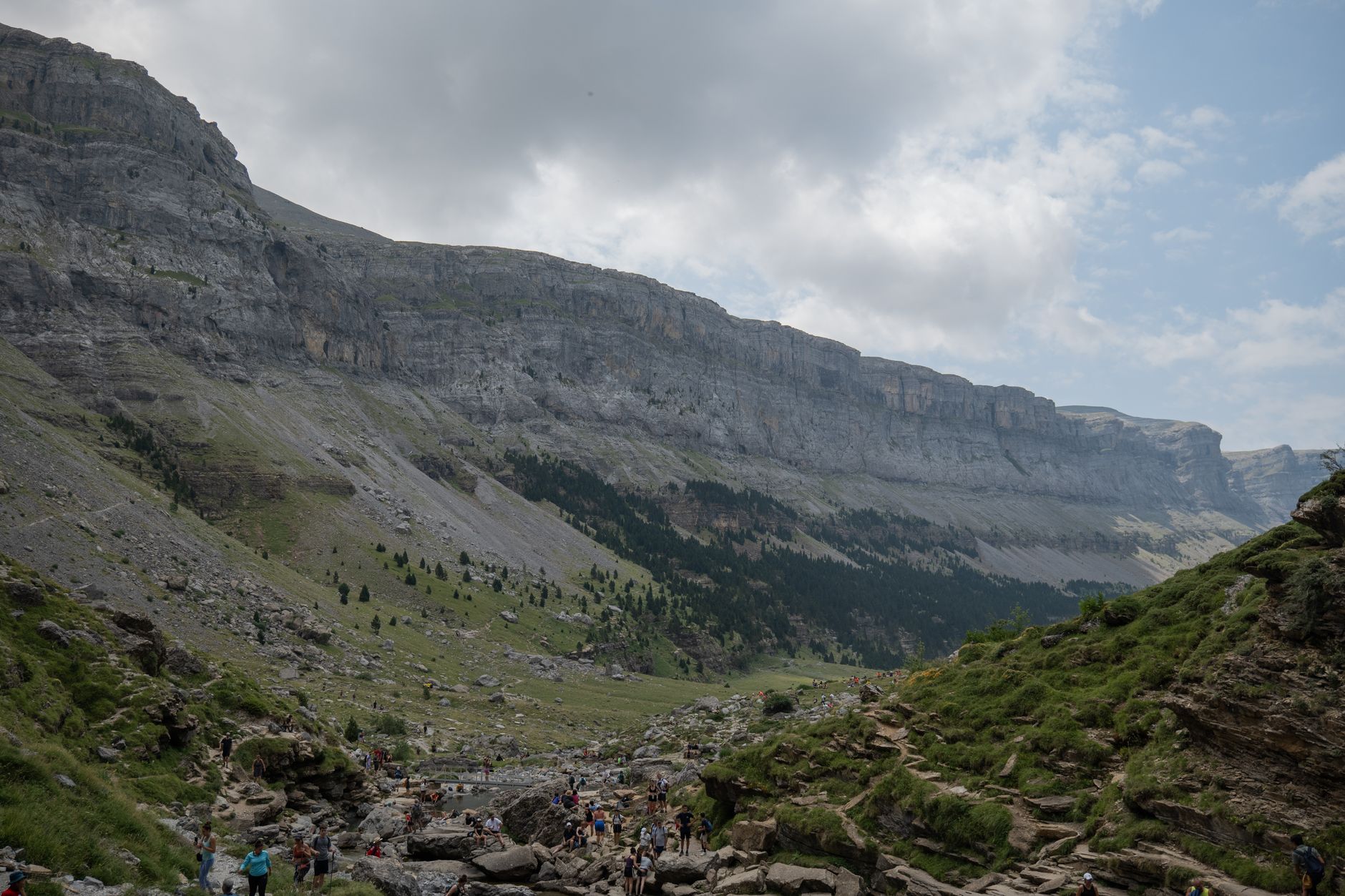


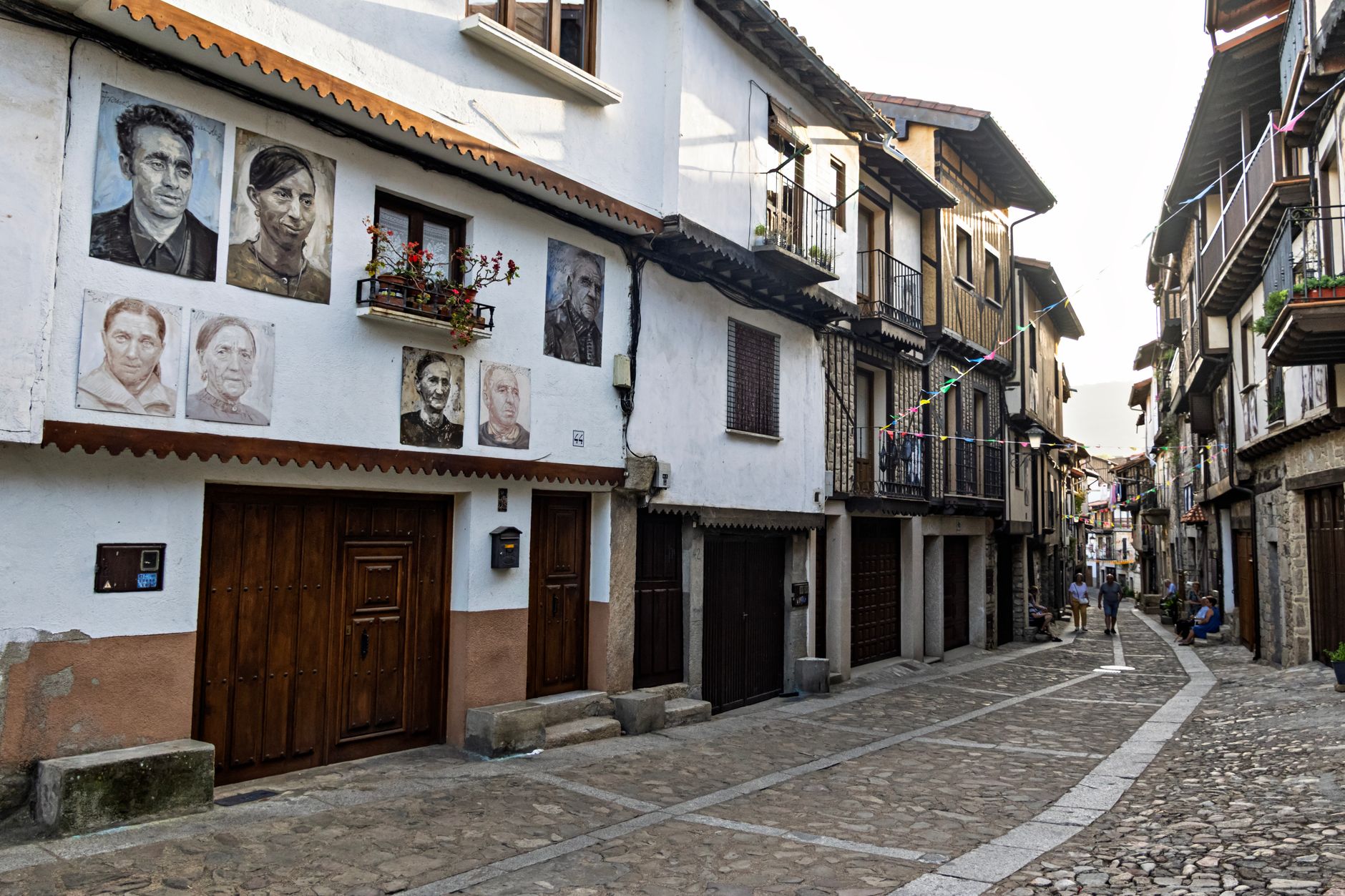
The grey limestone wall of the Mondarruego rises seven hundred metres straight above the slate rooftops, giving this high Aragonese outpost the permanent feeling of being watched by a mountain. Cobbled ramps wind past sixteenth-century fortified houses with conical chimneys, built sturdy enough to withstand Pyrenean winters. It remains the essential base for entering the Ordesa Valley, where trail dirt on your boots is standard dinner attire.
Last updated 30 Aug 2026
Build a Torla-Ordesa itinerary.
Choose up to 4 threads that pull you in. Your plan arrives organised around them.
The Bed
Where to stay in Torla-Ordesa
Which part of town to book, and what each one costs you in walking, noise or quiet.
The Comparison
Torla-Ordesa, or somewhere near it
The places you are realistically choosing between, and the honest case for each.
The Local Record
Where to read more about Torla-Ordesa
The blogs, boards, guides and operators worth bookmarking.
What to do in Torla-Ordesa Aragón Spain
Torla-Ordesa clings to the hillside at the mouth of the Ordesa y Monte Perdido National Park. Days here pivot entirely on trail schedules, park shuttles, and the weather blowing over the peaks. It suits hikers, geology enthusiasts, and travellers who appreciate quiet evening stone plazas over nightlife. Life moves between morning boot-lacing and evening bowls of migas in wood-beamed dining rooms.
24 hours in Torla-Ordesa Aragón Spain
Catch the early morning shuttle from the visitor centre car park up to the Pradera de Ordesa. Walk the classic trail to the Cola de Caballo falls, returning via the beech woods. Back in Torla by late afternoon, stroll Calle Mayor and settle in for roasted ternasco lamb and a carafe of local red. Select 1 Day above to see it.
2 days in Torla-Ordesa Aragón Spain
Spend day two heading west along the Ara river to the Romanesque bridge at San Nicolás de Bujaruelo. It is quieter than the main park and ideal for a cold dip or riverside picnic. Head down-valley to Broto in the evening for mountain trout near the Cascada de Sorrosal. Choose 2 Days to expand the plan.
3 days in Torla-Ordesa Aragón Spain
A third day allows a loop through the wild Cañón de Añisclo and a visit to the medieval hilltop streets of Aínsa. Tour the fortified castle walls, linger over cured ham and Sobrarbe cheeses in the main plaza, and drive back along the Ara gorge as dusk hits the limestone peaks.
Torla-Ordesa Aragón Spain itineraries by interest
Mountain Hiking in Torla-Ordesa Aragón Spain
Tackle the Faja de Pelay trail along the rim of Ordesa Canyon for sweeping limestone views before dropping down to the Cola de Caballo waterfall.
Vernacular Architecture in Torla-Ordesa Aragón Spain
Inspect 16th-century espantabrujas, the conical chimney stones carved to scare witches from medieval stone mansions along Calle Mayor.
Regional Cooking in Torla-Ordesa Aragón Spain
Order ternasco de Aragón roasted with rosemary potatoes, followed by chiretas and migas de pastor tossed with garlic and cured pork.
Sacred Architecture in Torla-Ordesa Aragón Spain
Walk up to the 16th-century Church of San Salvador, built like a defensive fortress over the Ara riverbed with a Baroque altarpiece inside.
Canyon Scenery in Torla-Ordesa Aragón Spain
Walk the Senda de los Cazadores footpath, climbing through beech and silver fir forests alongside the roaring torrents of the Rio Arazas.
River Walks in Torla-Ordesa Aragón Spain
Follow the low-impact Ara river trail south toward Broto, crossing stone bridges through meadows where Pyrenean cows graze in summer.
Local Cheeses in Torla-Ordesa Aragón Spain
Sample raw-milk sheep and goat cheeses from the Sobrarbe district, aged in mountain cellars and paired with dry Somontano red wine.
High Passes in Torla-Ordesa Aragón Spain
Hike north to the Puerto de Bujaruelo, an ancient smuggling route and mule path across the French frontier framed by granite scree.
Valley Villages in Torla-Ordesa Aragón Spain
Explore neighboring Broto to see the Sorrosal waterfall plunging into a natural pool, plus fortified stone houses in Oto and Sarvisé.
Meadows & Flora in Torla-Ordesa Aragón Spain
Walk the flat meadows of the Pradera de Ordesa in late spring to spot wild edelweiss, Pyrenean saxifrage, and soaring bearded vultures.
Local Spirits in Torla-Ordesa Aragón Spain
Warm up after a cold climb with orujo macerated with mountain herbs or pacharán, the sloe-berry digestif poured in village taverns.
Scenic Drives in Torla-Ordesa Aragón Spain
Drive the narrow road through the Cañón de Añisclo, where sheer limestone cliffs squeeze the Bellós river into turquoise pools.