


Ajmer sits two hours southwest of Jaipur by direct train, cradled in a dry saddle of the Aravalli Hills. The city functions primarily as a place of living pilgrimage, anchored by the 13th-century shrine of Sufi saint Mu'in al-Din Chishti and flanked by the stone ramparts of Taragarh. Ajmer is worth visiting if you want to witness active Sufi qawwali rituals, explore early Indo-Islamic stonework, and eat spiced mutton curry in dense bazaar alleys. Look elsewhere if you want quiet pedestrian promenades, boutique cocktail bars, or manicured heritage resorts.
Last updated 25 Sept 2026
Build a Ajmer itinerary.
Choose up to 4 threads that pull you in. Your plan arrives organised around them.
The Bed
Where to stay in Ajmer
Which part of town to book, and what each one costs you in walking, noise or quiet.
The Comparison
Ajmer, or somewhere near it
The places you are realistically choosing between, and the honest case for each.
The Local Record
Where to read more about Ajmer
The blogs, boards, guides and operators worth bookmarking.
What to do in Ajmer Rajasthan India
Ajmer unfolds between the steep Taragarh ridge and the broad water of Ana Sagar Lake. Daily life runs on the cadence of devotional prayer, with pilgrims and merchants moving through the dense lanes of Naya Bazaar. It suits travelers who appreciate intense, unfiltered urban character, serious historic stonework spanning eight centuries, and unvarnished North Indian cooking, rather than packaged palace tourism.
24 hours in Ajmer Rajasthan India
Spend the morning navigating the courtyards of the Dargah Sharif and Adhai Din Ka Jhonpra before the midday crowds peak. Lunch on mutton biryani along Dargah Bazaar, then spend the late afternoon enjoying the cool lake breeze at Ana Sagar's marble pavilions. Finish by climbing to Taragarh Fort for sunset over the Aravalli peaks. Select 1 Day above to see it.
2 days in Ajmer Rajasthan India
A second day lets you cross the Snake Mountain pass to Pushkar, thirty minutes away by road, to circle the sacred ghats and eat malpua at Halwai Gali. Return to Ajmer in the afternoon to admire the gilded woodwork at Nasiyan Jain Temple and sample crisp sohan halwa from traditional sweetshops around Madar Gate. Choose 2 Days to expand the plan.
3 days in Ajmer Rajasthan India
With three days, arrange a visit to Mayo College to study its colonial architecture, then head to Kishangarh to see the 17th-century fort and miniature painting ateliers. Wind down with an unhurried sunset walk along the stone embankment of Foy Sagar Lake, away from the dense press of the central bazaars.
Ajmer Rajasthan India itineraries by interest
Sacred Architecture in Ajmer Rajasthan India
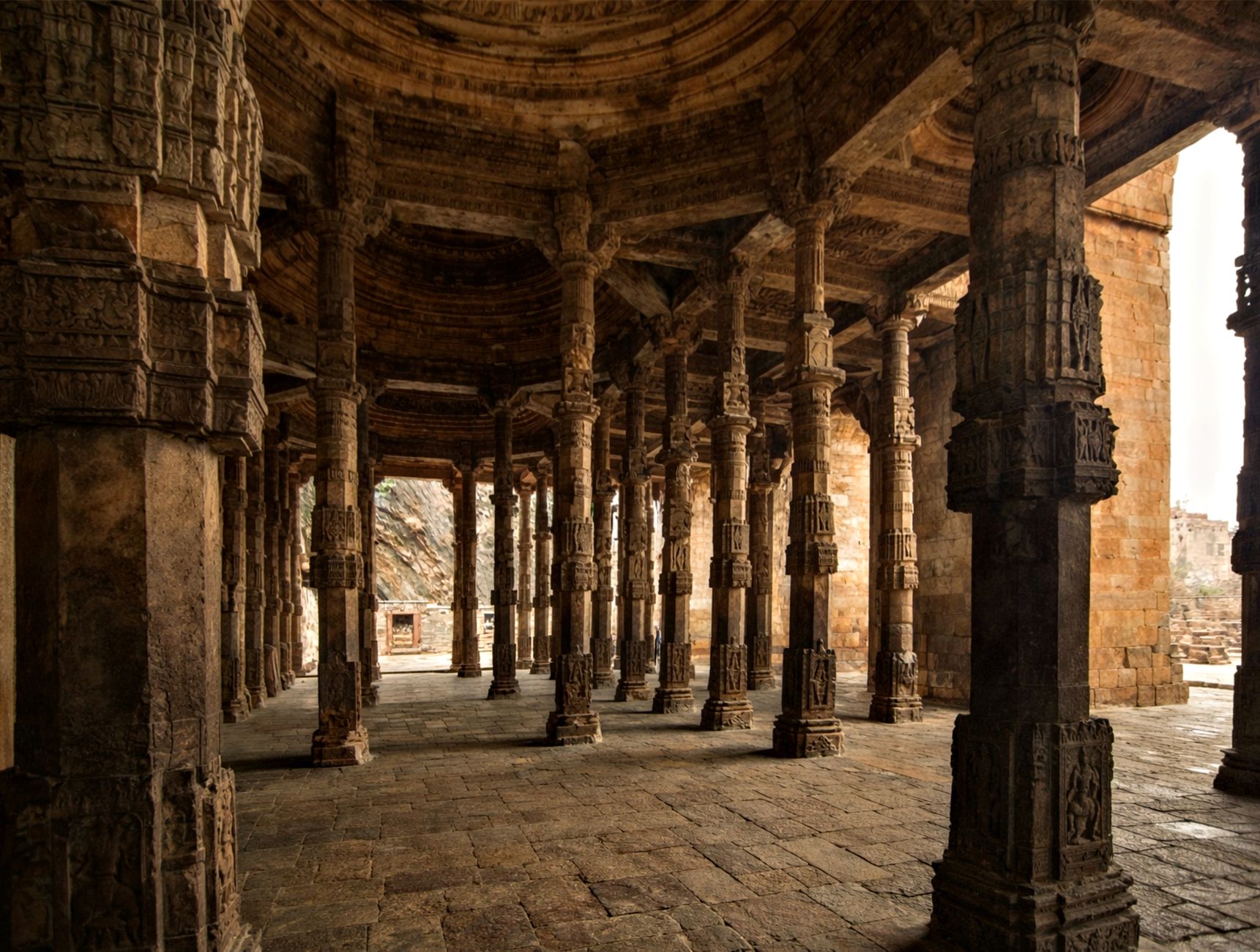
Walk past the carved marble screens and silver gates at the Dargah Sharif, then inspect the red sandstone arches of Adhai Din Ka Jhonpra.
Street Food in Ajmer Rajasthan India
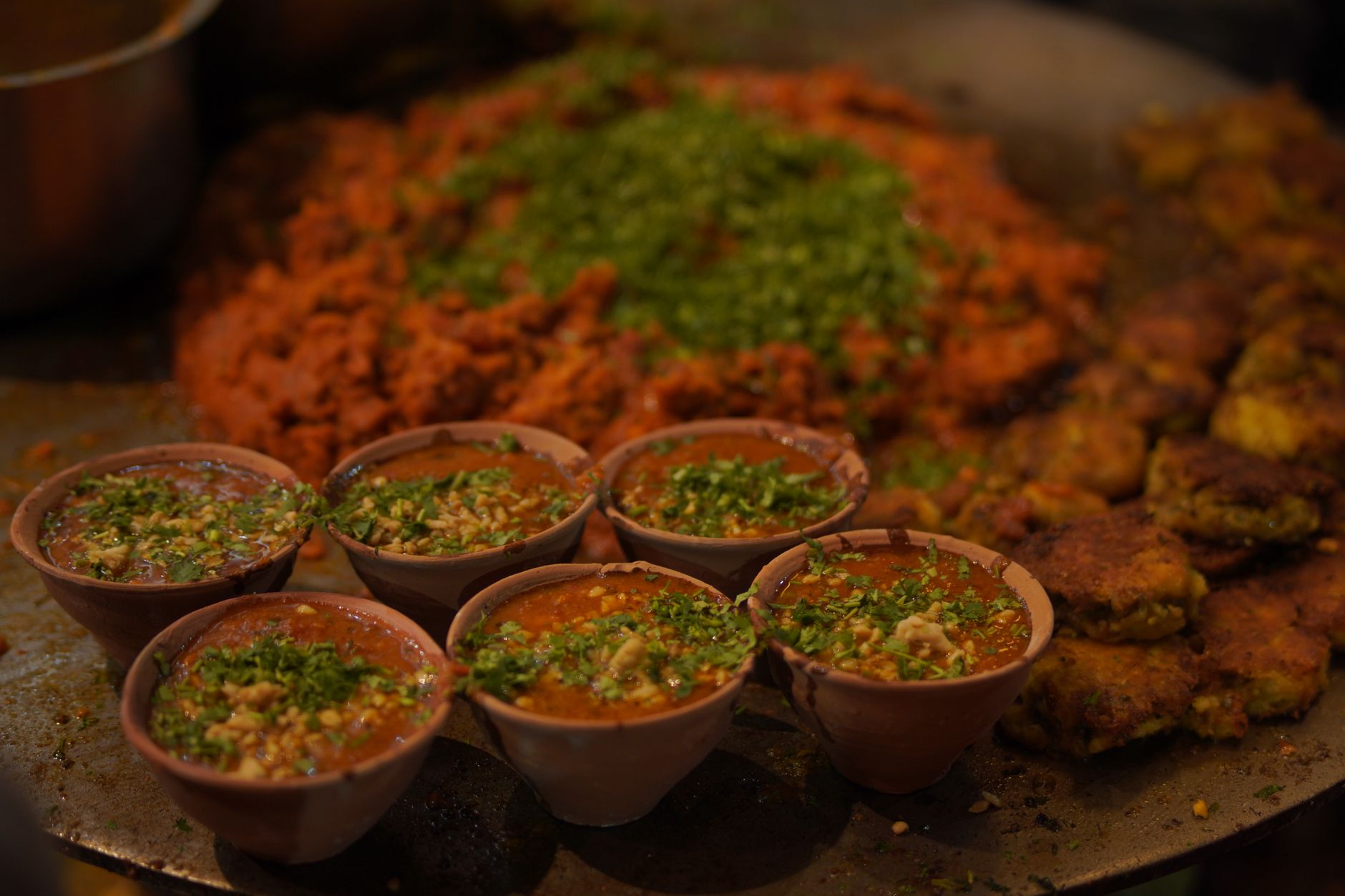
Eat crisp dal kachoris drenched in tamarind chutney at Shankar Chaat and slow-simmered mutton korma with sheermal along Dargah Bazaar.
Historic Forts in Ajmer Rajasthan India
Climb up to Taragarh Fort for panoramic views of the valley or visit the 16th-century red sandstone fortress built by Emperor Akbar.
Lakes & Promenades in Ajmer Rajasthan India
Stroll the 12th-century embankment of Ana Sagar Lake to admire the white marble pavilions known as the Baradari, built by Shah Jahan.
Jain Heritage in Ajmer Rajasthan India
View the gold-plated wooden model of the universe inside the central chamber of the 19th-century Nasiyan Jain Temple on Prithviraj Marg.
Colonial History in Ajmer Rajasthan India
Walk past the Indo-Saracenic white marble facades of Mayo College, founded in 1875 for princely heirs, and visit its central museum.
Devotional Music in Ajmer Rajasthan India
Sit inside the courtyard of the Sufi shrine on Thursday evenings to hear hereditary qawwals sing verses accompanied by harmonium.
Day Trips in Ajmer Rajasthan India
Travel 30 minutes over the Nag Pahar pass to Pushkar for its sacred lake and Brahma Temple, or visit the marble yards of Kishangarh.
Traditional Sweets in Ajmer Rajasthan India
Seek out the dense, ghee-soaked sohan halwa sold in tin boxes near Madar Gate, or start the morning with warm malpua and saffron milk.
Local Markets in Ajmer Rajasthan India
Browse Naya Bazaar and Churi Bazaar for rosewater, embroidered velvet prayer mats, hand-beaded mojari slippers, and silver ornaments.
Hill Walking in Ajmer Rajasthan India
Follow the steep stone trail up to Taragarh ridge at dawn, threading through ruined bastions and scrub forest above the city haze.
Museums & Relics in Ajmer Rajasthan India
Step inside the Government Museum housed within Akbar's Fort to see 8th-century stone sculptures, Rajput armour, and Mughal miniature art.