
.JPG)


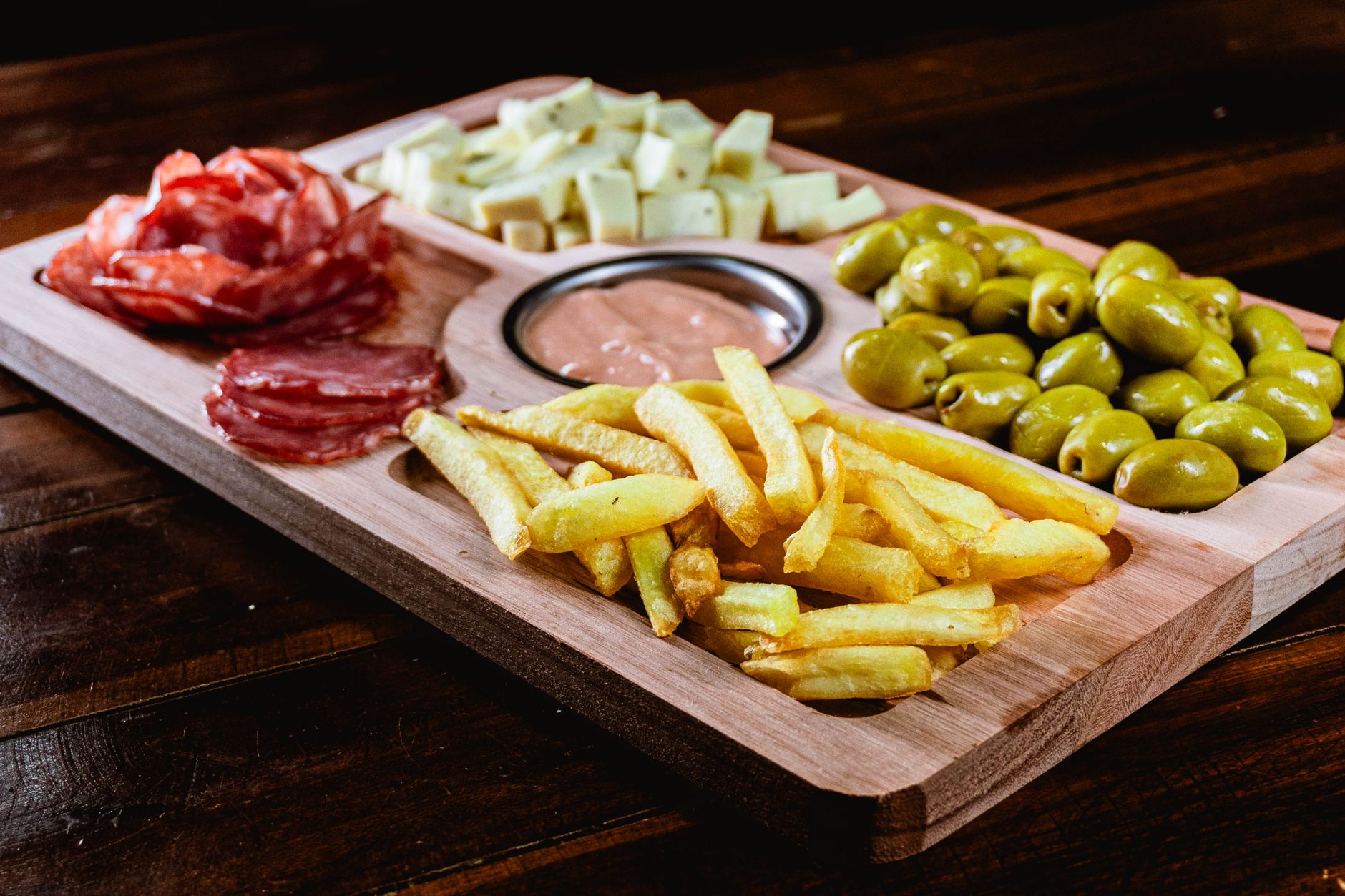

Barbastro sits fifty kilometres east of Huesca and a fifty-minute drive northwest of Lleida along the A-22 highway. The town anchors the Somontano wine region at the foot of the Pyrenees, known for its sixteenth-century fortified cathedral and deep agricultural roots along the Vero River. There is little tourist gloss here, just working bodegas and serious weekly markets. Barbastro is worth visiting if you want to drink Somontano reds at the cellar door and eat hearty Aragonese food without museum queues. Look elsewhere if you want late-night bars, major museums, polished boutique hotels, or a postcard-perfect medieval town centre.
Last updated 8 Sept 2026
Build a Barbastro itinerary.
Choose up to 4 threads that pull you in. Your plan arrives organised around them.
The Bed
Where to stay in Barbastro
Which part of town to book, and what each one costs you in walking, noise or quiet.
The Comparison
Barbastro, or somewhere near it
The places you are realistically choosing between, and the honest case for each.
The Local Record
Where to read more about Barbastro
The blogs, boards, guides and operators worth bookmarking.
What to do in Barbastro Aragón Spain
Barbastro is a practical Aragonese market town centered on the Vero River and framed by dry hillsides of vines and olive groves. Life here moves around the morning market on Plaza del Mercado, midday wine tastings across the Somontano DO, and late-afternoon strolls past the cathedral. It suits independent travellers who prefer regional agriculture, quiet streets, and good cured meats over polished tourist infrastructure.
24 hours in Barbastro Aragón Spain
Start under the ribbed vaults of the Cathedral of Santa María de la Asunción before browsing the produce on Plaza del Mercado. Have a lunch of roasted lamb and sliced Tomate Rosa on Calle Argensola, then spend the afternoon touring a Somontano winery just ten minutes outside town. Finish with chiretas and a glass of Moristel at a local bar. Select 1 Day above to see it.
2 days in Barbastro Aragón Spain
A second day takes you fifteen miles north into the Sierra de Guara foothills. Walk the stone alleys and Moorish castle perimeter in Alquézar, then follow the boardwalks bolted into the Vero River canyon. Return to Barbastro for a dinner of wood-grilled longaniza paired with an aged Somontano red in the historic quarter. Choose 2 Days to expand the plan.
3 days in Barbastro Aragón Spain
Three days allow a slower drive through the Somontano wine route, stopping at smaller family bodegas around Salas Altas and Pozán de Vero. Seek out the prehistoric cave shelters along the Vero gorge, or continue east toward Graus for aged Pyrenean cheeses and black truffles, returning to Barbastro for an unhurried vermouth on a terrace.
Barbastro Aragón Spain itineraries by interest
Wine & Vineyards in Barbastro Aragón Spain
Taste Moristel and Parraleta indigenous grapes alongside Cabernet at Somontano bodegas like Enate and Viñas del Vero across the dry foothills.
Sacred Architecture in Barbastro Aragón Spain
Inspect the sweeping sixteenth-century stellar vaults inside the Cathedral of Santa María de la Asunción and climb the detached bell tower.
Markets & Produce in Barbastro Aragón Spain
Buy sweet, thin-skinned Tomate Rosa de Barbastro and local borage at the Saturday morning stalls filling Plaza del Mercado.
Canyon Hiking in Barbastro Aragón Spain
Walk the wooden footbridges suspended above the turquoise Vero River gorge just twenty minutes north in the Sierra de Guara park.
Local Charcuterie in Barbastro Aragón Spain
Sample spiced pork longaniza and chiretas, a regional cured offal and rice sausage boiled in broth by local butchers along Calle Argensola.
Historic Squares in Barbastro Aragón Spain
Pull up a metal chair for cold vermouth in Plaza del Mercado, surrounded by seventeenth-century porticoes and busy vegetable vendors.
Day Trips in Barbastro Aragón Spain
Drive thirty minutes into the limestone cliffs to Alquézar, a medieval village crowned by an eighth-century Moorish collegiate fortress.
Regional Cheeses in Barbastro Aragón Spain
Cut into raw sheep and goat milk wheels from Radiquero and Benabarre, aged with local herbs in the nearby pre-Pyrenean valleys.
River Walks in Barbastro Aragón Spain
Stroll the paved riverside path along the Rio Vero, crossing old stone bridges that slice Barbastro between its medieval and modern quarters.
Local Olive Oil in Barbastro Aragón Spain
Drizzle peppery extra virgin oil pressed from local Empeltre and Arbequina olives at regional mills throughout the surrounding Somontano basin.
Sacred Relics in Barbastro Aragón Spain
Visit the Museo de los Mártires Claretianos on Calle Conde, housing preserved artifacts and personal letters from the Spanish Civil War.
Prehistoric Art in Barbastro Aragón Spain
Venture into the Vero River cultural park to view UNESCO-listed prehistoric cave paintings tucked inside sheer limestone shelters.