


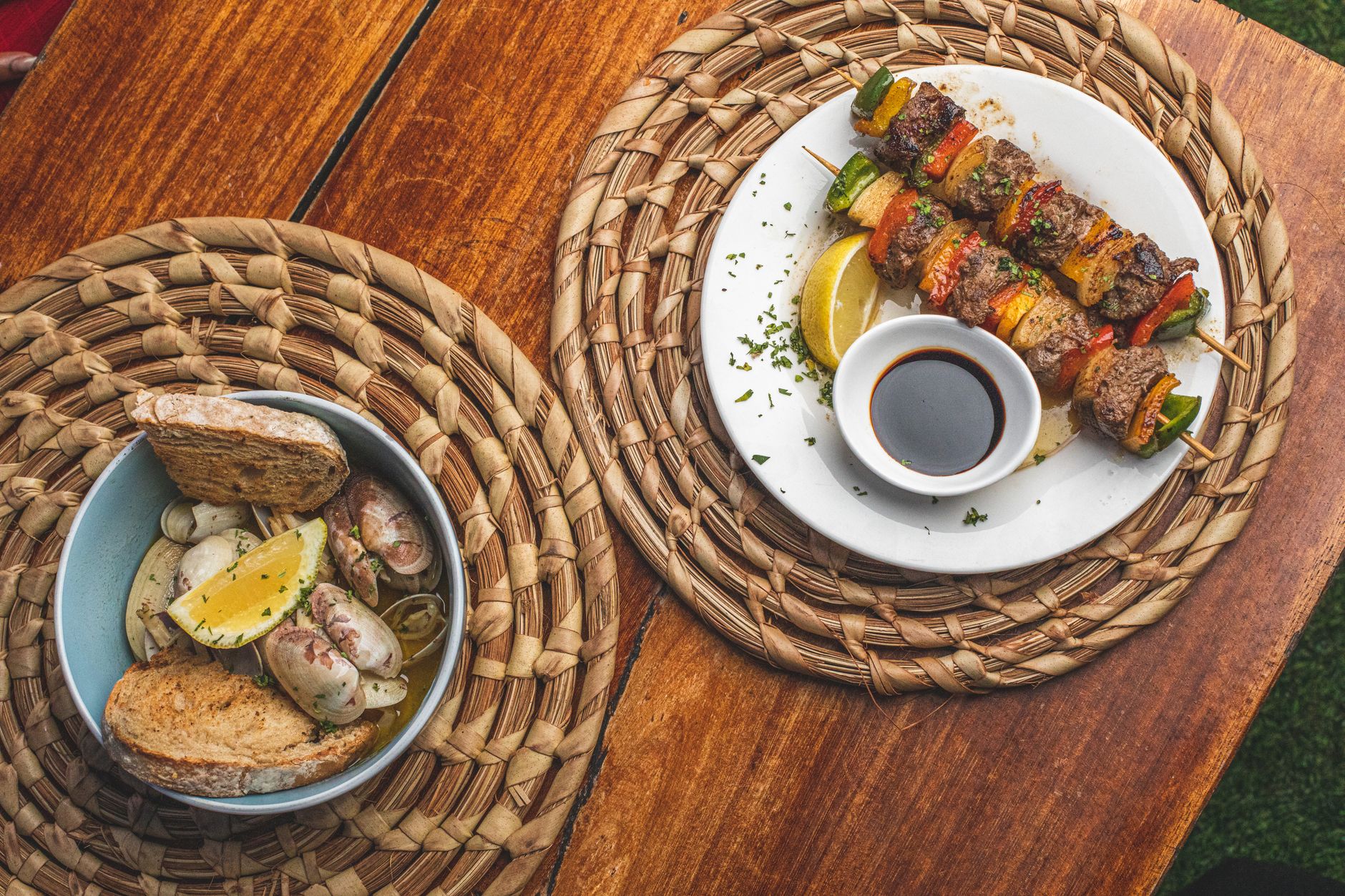

Sits 25 kilometres southeast of A Coruña, reached in thirty minutes by train or bus. It is famed for its runnier-than-average tortilla de patatas and an intact medieval core built from granite and gallery glass. Betanzos is worth visiting if you want to eat runny egg-rich tortilla and walk steep fourteenth-century granite alleys above tidal rivers. Look elsewhere if you need sandy Atlantic beaches at your doorstep or high-energy late-night clubs.
Last updated 8 Nov 2026
Build a Betanzos itinerary.
Choose up to 4 threads that pull you in. Your plan arrives organised around them.
We'll craft a 3-lens plan for Betanzos, one collapsible strand per lens.
Local Taverns
Order liquid-centred tortilla de patatas at Mesón O Pote or Bar Galicia, paired with young local wine served in traditional white ceramic cuncas.
Local Taverns
Order liquid-centred tortilla de patatas at Mesón O Pote or Bar Galicia, paired with young local wine served in traditional white ceramic cuncas.
Tasting Crisp Branco Lexítimo
Mesón O Pote
Take a wooden stool inside this granite-walled tavern at noon. Order a white porcelain bowl of young local wine and a warm square of cod empanada.
Editor TipCultivated on riverbanks since Roman settlement, the high-acid Branco Lexítimo grape was rescued from extinction by fiercely protective regional growers. Drink from the shallow ceramic cunca rather than a glass; it keeps the cold wine honest and unpretentious.
Drinking Blanco Legítimo In Cuncas
Casa do Sixto
Take an outdoor bench under the vines, order a jug of cold local white and a plate of cured chorizo. No reservations needed; expect around fifteen euros per person.
Editor TipRural taverns here pour wine from the rare Blanco Legítimo grape into glazed ceramic bowls, serving neighbours simple salt-cured pork and sourdough bread since 1900. Ask for the house vintage poured straight from the cellar barrel.
Local Wine
Sample crisp Viño da Terra de Betanzos made from local Branco Lexítimo grapes at informal furancho taverns marked with laurel branches outside.
Local Wine
Sample crisp Viño da Terra de Betanzos made from local Branco Lexítimo grapes at informal furancho taverns marked with laurel branches outside.
Riverside Mandeo Trail Walk
Paseo Fluvial do Río Mandeo
Follow the trail north from Ponte Vella along the forested riverbank. Allow ninety relaxed minutes on flat dirt paths; simple walking shoes suffice.
Editor TipBetanzos rose on this tidal fork where sea meets mountain runoff, sustaining timber barges, tannery workers, and Santiago-bound pilgrims since 1219. Set out before nine to catch morning mist over the water, when you will share the track only with grey herons.
Local Wine in Porcelain Bowls
Taberna La Travesía
Walk into this stone-walled tavern on Rúa Travesa and order a cunca of young local white wine at the bar. Expect to spend under three euros.
Editor TipPressed from crisp Branco Lexítimo grapes harvested along the river valleys, this tart coastal wine is traditionally poured into shallow white ceramic bowls called cuncas. Bring cash. If the proprietor sets down a small plate of cured sausage with your drink, accept it gratefully.
Sampling Cool-Climate Mountain Whites
Adega Lorenzo Bescansa
Call ahead to arrange a cellar visit in nearby Paderne. Tastings cost around ten euros and showcase tart, minerally Branco Lexítimo poured straight from tank.
Editor TipBetanzos oversees one of Galicia's smallest wine territories, revived by growers cultivating Branco Lexítimo on steep terraced parcels above the estuary. Grab a bottle before leaving; these low-intervention Atlantic whites rarely make it past the provincial border.
Walking The Mandeo Riverbank
Coto de Chelo
Walk the flat river path from the Chelo information hut. The six-kilometre loop takes two hours; carry water and wear sturdy boots for wet slate sections.
Editor TipThe Mandeo valley preserves Atlantic deciduous woodland where ancient pedunculate oaks shelter native brown trout and river otters along an unhurried current. Keep left at the fork past the weir to dodge the muddy angler track.
Note from the Editor
“Betanzos wakes up late. Walk the river path while mist still hangs on the medieval bridges, then slip into the stone taverns right at midday before crowds arrive from A Coruña.”
The Bed
Where to stay in Betanzos
Which part of town to book, and what each one costs you in walking, noise or quiet.
The Comparison
Betanzos, or somewhere near it
The places you are realistically choosing between, and the honest case for each.
The Local Record
Where to read more about Betanzos
The blogs, boards, guides and operators worth bookmarking.
What to do in Betanzos Galicia Spain
Betanzos rises steeply from the confluence of the Mandeo and Mendo rivers, shaped by medieval granite lanes that converge on quiet squares. Days revolve around architectural strolls through Gothic churches and long, unhurried lunches anchored by the town's legendary liquid tortilla. It suits travellers who appreciate preserved heritage, regional cooking, and an easygoing pace without coastal tourist crowds.
24 hours in Betanzos Galicia Spain
Spend your morning inspecting fourteenth-century carvings at San Francisco and Santa María del Azogue. At lunch, secure a table at Mesón O Pote for tortilla. In the afternoon, stroll the riverbank path along the Río Mandeo, finishing with a glass of Branco Lexítimo wine on Praza da Constitución. Everything sits within a short walk. Select 1 Day above to see it.
2 days in Betanzos Galicia Spain
A second day lets you explore the strange grottos and concrete reliefs of Parque do Pasatempo before hiking upstream to the Chelo natural reserve. For dinner, try traditional empanada de zamburiñas and local ribeiro-style wine in the lower medieval quarter. Choose 2 Days to expand the plan.
3 days in Betanzos Galicia Spain
With three days, venture north to explore the medieval streets and Fragas do Eume forest near Pontedeume, or ride the local rail line into A Coruña for coastal views. Back in town, lingering over morning coffee in Praza dos Irmáns García Naveira never feels rushed.
Betanzos Galicia Spain itineraries by interest
Local Taverns in Betanzos Galicia Spain
Order liquid-centred tortilla de patatas at Mesón O Pote or Bar Galicia, paired with young local wine served in traditional white ceramic cuncas.
Sacred Architecture in Betanzos Galicia Spain
Inspect fourteenth-century Gothic tombs, stone boars, and carved capitals inside Santa María del Azogue and the imposing church of San Francisco.
Riverfront Walks in Betanzos Galicia Spain
Follow the shaded paths of the Paseo Fluvial along the Río Mandeo toward Os Caneiros, where flat-bottomed boats gather for summer river pilgrimages.
Local Wine in Betanzos Galicia Spain
Sample crisp Viño da Terra de Betanzos made from local Branco Lexítimo grapes at informal furancho taverns marked with laurel branches outside.
Public Squares in Betanzos Galicia Spain
Sit along Praza dos Irmáns García Naveira to admire glass-fronted galerías, seventeenth-century facades, and the fountain of Diana the Huntress.
Medieval Heritage in Betanzos Galicia Spain
Walk past remaining segments of the fourteenth-century town walls and through surviving gates like Porta da Ponte Vella and Porta do Cristo.
Regional Pastry in Betanzos Galicia Spain
Pick up traditional roscas de reyes, sponge cakes, or empanada de bonito at old-school bakeries along Rúa do Castro and Rúa de San Francisco.
Curious Parks in Betanzos Galicia Spain
Wander the surreal twentieth-century sculptures, grottos, and relief maps built by returned emigrants at the eccentric Parque do Pasatempo.
River Excursions in Betanzos Galicia Spain
Rent a kayak or board a recreational boat up the Mandeo estuary to see tidal wetlands, herons, and forested riverbanks up to Chelo.
Town Markets in Betanzos Galicia Spain
Browse regional cheeses, cured meats, and fresh Galician produce every second and sixteenth day of the month on the main square.
Day Trips in Betanzos Galicia Spain
Head fifteen minutes north to the fishing port of Pontedeume or thirty minutes west to the lighthouse and tapas alleys of A Coruña.
Hiking Trails in Betanzos Galicia Spain
Follow the Camino Inglés pilgrim trail as it climbs through eucalyptus woods and rural hamlets toward Hospital de Bruma.