.jpg)
_02.jpg)
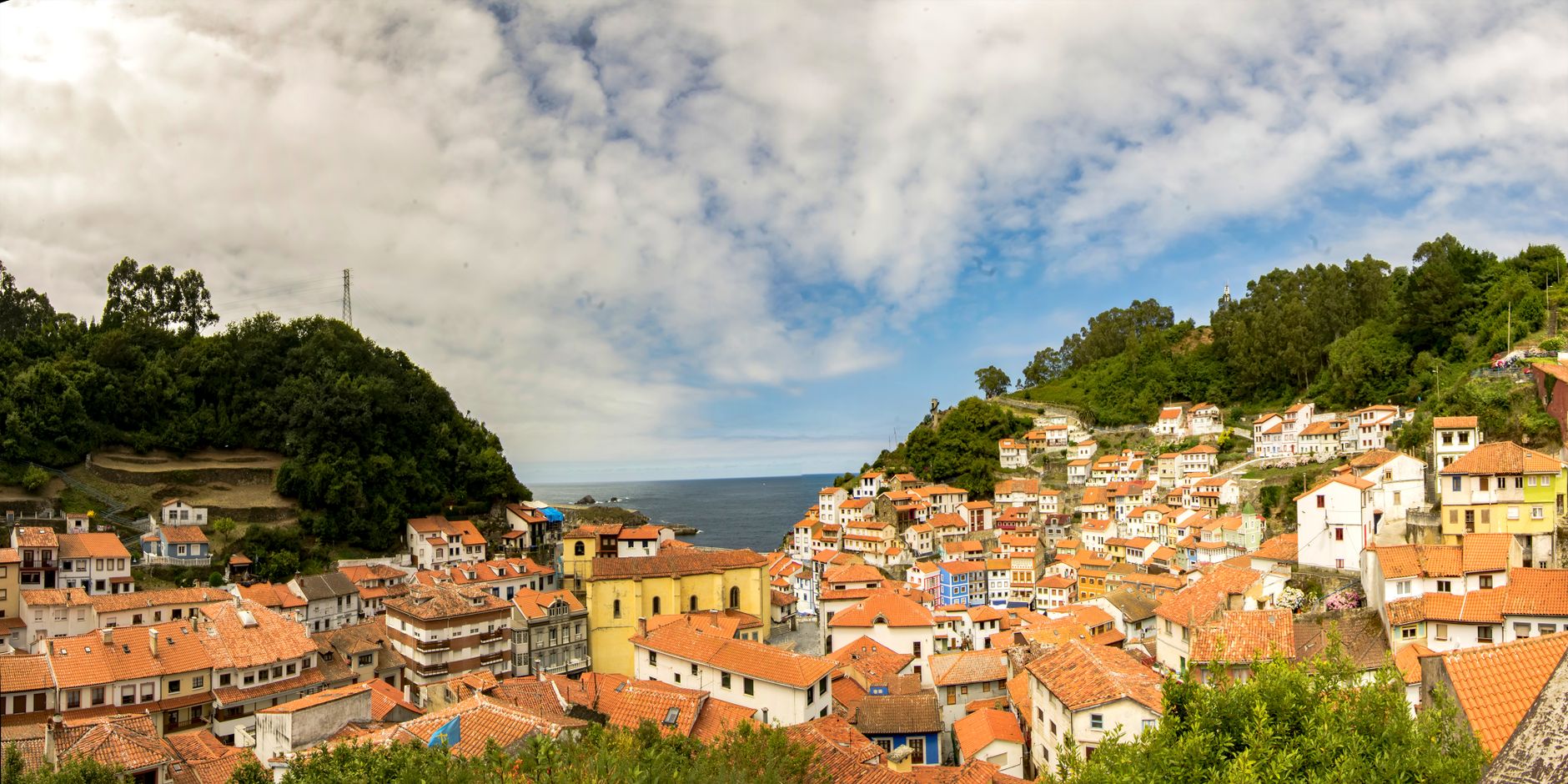
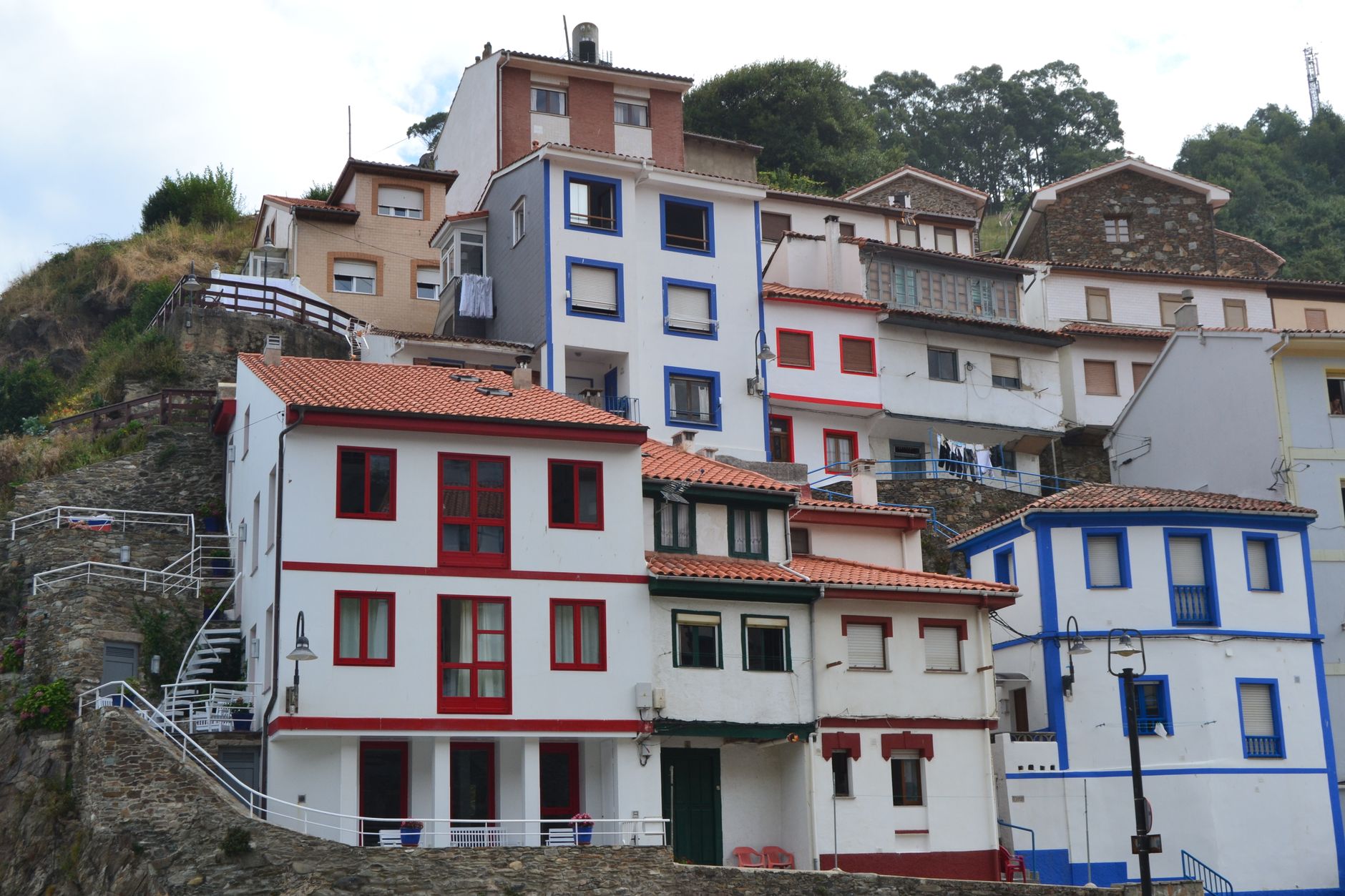

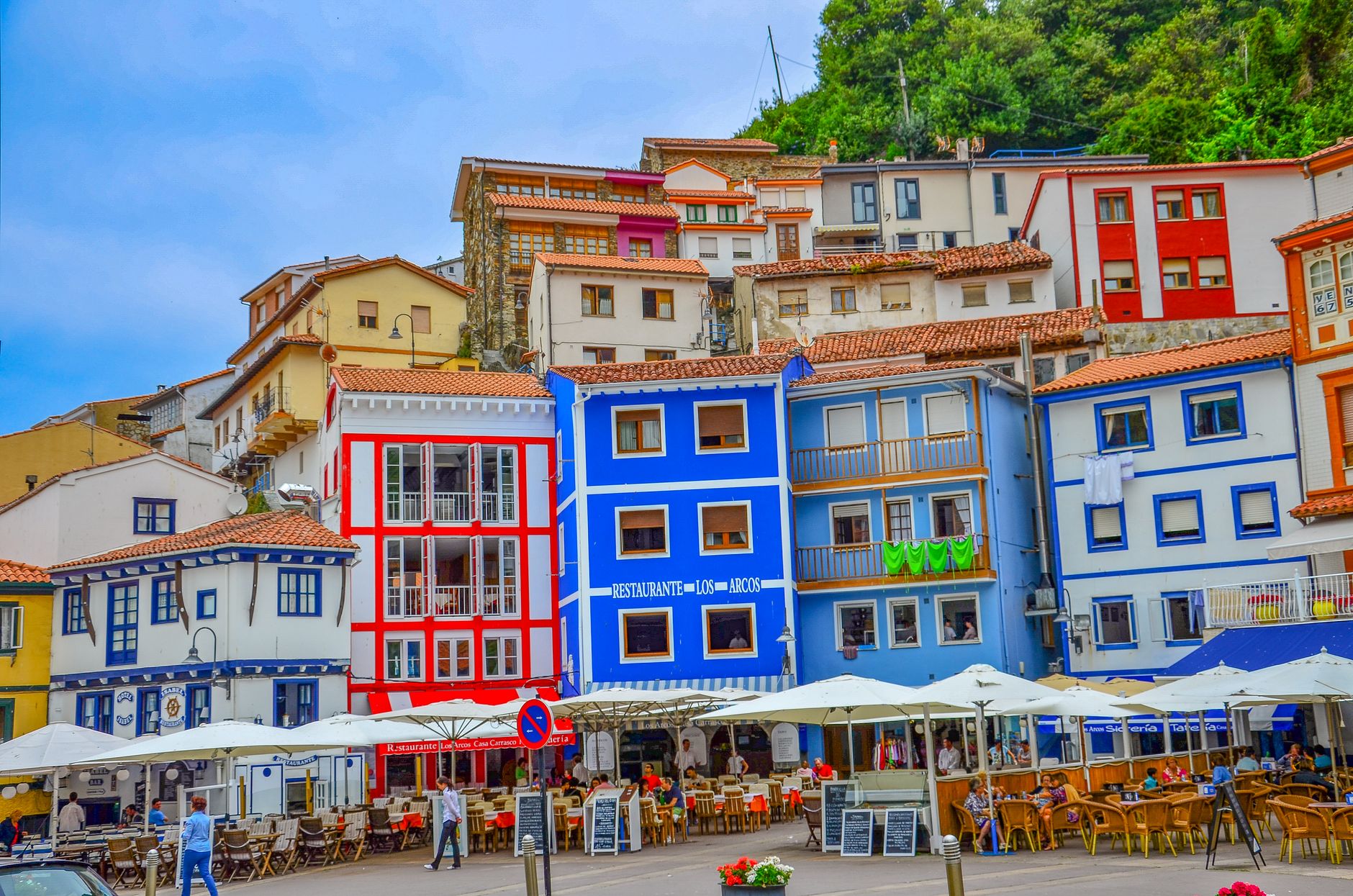
Granite cliffs drop straight into the Cantabrian Sea, forcing the houses into a steep amphitheatre where neighbours converse vertically across whitewashed alleyways. Down on the cobblestones of Plaza de la Marina, trawlers unload hake and sea bream while tavern servers pour natural cider from arm’s length. The climb up through the narrow stairs tests your calves, rewarding you with roofline views and the rare sight of curadillo drying in the sea breeze under wooden eaves.
Last updated 26 Aug 2026
Build a Cudillero itinerary.
Choose up to 4 threads that pull you in. Your plan arrives organised around them.
The Bed
Where to stay in Cudillero
Which part of town to book, and what each one costs you in walking, noise or quiet.
The Comparison
Cudillero, or somewhere near it
The places you are realistically choosing between, and the honest case for each.
The Local Record
Where to read more about Cudillero
The blogs, boards, guides and operators worth bookmarking.
What to do in Cudillero Asturias Spain
Life here centres on the steep bowl of the harbour, where whitewashed and pastel houses cling to sheer rock above the fishing fleet. Days run at an honest, unhurried pace, split between climbing the labyrinth of stone staircases, lingering over grilled fish in the plaza, and watching the tide roll into the Cantabrian Sea. It suits independent walkers, seafood obsessives, and anyone who prefers practical sea air over manicured resort polish.
24 hours in Cudillero Asturias Spain
Spend morning tackling the stepped alleys up to Mirador de la Garita. By one, secure a table on Plaza de la Marina for grilled hake and cold cider. Walk off lunch along the outer harbour breakwater, then finish the afternoon watching trawlers return with the day's catch before an evening cup of sidra. Select 1 Day above to see it.
2 days in Cudillero Asturias Spain
Dedicate your second morning to the neighbouring hamlet of El Pito, touring the art and manicured grounds of Palacio de los Selgas. After lunch, take the short coastal drive west to walk the pebbled cove at Playa del Silencio, returning for a hearty pot of fabada asturiana in town. Choose 2 Days to expand the plan.
3 days in Cudillero Asturias Spain
A third day allows an unhurried excursion out to the windswept lighthouse at Cabo Vidio, followed by an afternoon exploring Luarca’s whitewashed maritime quarter. You will have time to linger in quiet village sidrerías, ordering slow-simmered curadillo without checking the clock.
Cudillero Asturias Spain itineraries by interest
Local Seafood in Cudillero Asturias Spain
Order pixín a la cazuela or grilled hake at the taverns along Plaza de la Marina, washed down with tart Asturian cider poured from height.
Coastal Walks in Cudillero Asturias Spain
Follow the cliff trail from the harbour up to Mirador de la Garita and Mirador del Pico for sweeping views over the slate rooftops and sea.
Traditional Food in Cudillero Asturias Spain
Seek out curadillo, the wind-cured small dogfish stewed with potatoes and cabbage, a dish unique to Cudillero fishermen's households.
Historic Mansions in Cudillero Asturias Spain
Walk twenty minutes inland to El Pito to tour the 19th-century Palacio de los Selgas, famed for its Goya paintings and formal French gardens.
Beaches in Cudillero Asturias Spain
Head fifteen minutes west by car to Playa del Silencio, a dramatic crescent of smooth pebbles sheltered by towering slate headlands.
Maritime Culture in Cudillero Asturias Spain
Wander the working port at Puerto Pesquero around mid-afternoon to watch local crews mend green nylon nets and unload fresh catches.
Regional Drinks in Cudillero Asturias Spain
Drink poured-to-order sidra natural at traditional chigres, catching the spray in wide glasses and drinking each culín in a single swallow.
Sacred Architecture in Cudillero Asturias Spain
Climb to the 16th-century Capilla del Humilladero, the oldest building in town where condemned sailors once prayed before facing execution.
Day Trips in Cudillero Asturias Spain
Drive west to Cabo Vidio for sheer coastal cliffs and the lighthouse, or explore the quiet fishing wharves of nearby Luarca and Puerto de Vega.
Pastries & Sweets in Cudillero Asturias Spain
Pick up a box of guisandillas or crisp pixuetos, almond-heavy shortbread biscuits baked daily in small town bakeries along Calle García de la Concha.
Hiking Trails in Cudillero Asturias Spain
Tackle sections of the coastal Camino del Norte trail traversing clifftops and eucalyptus groves high above the crashing Cantabrian surf.
Photography Spots in Cudillero Asturias Spain
Walk the concrete breakwater at sunset to photograph the town's pastel cottages stacked like theatre seating against the sheer rock basin.