_Les_Caldes.jpg)

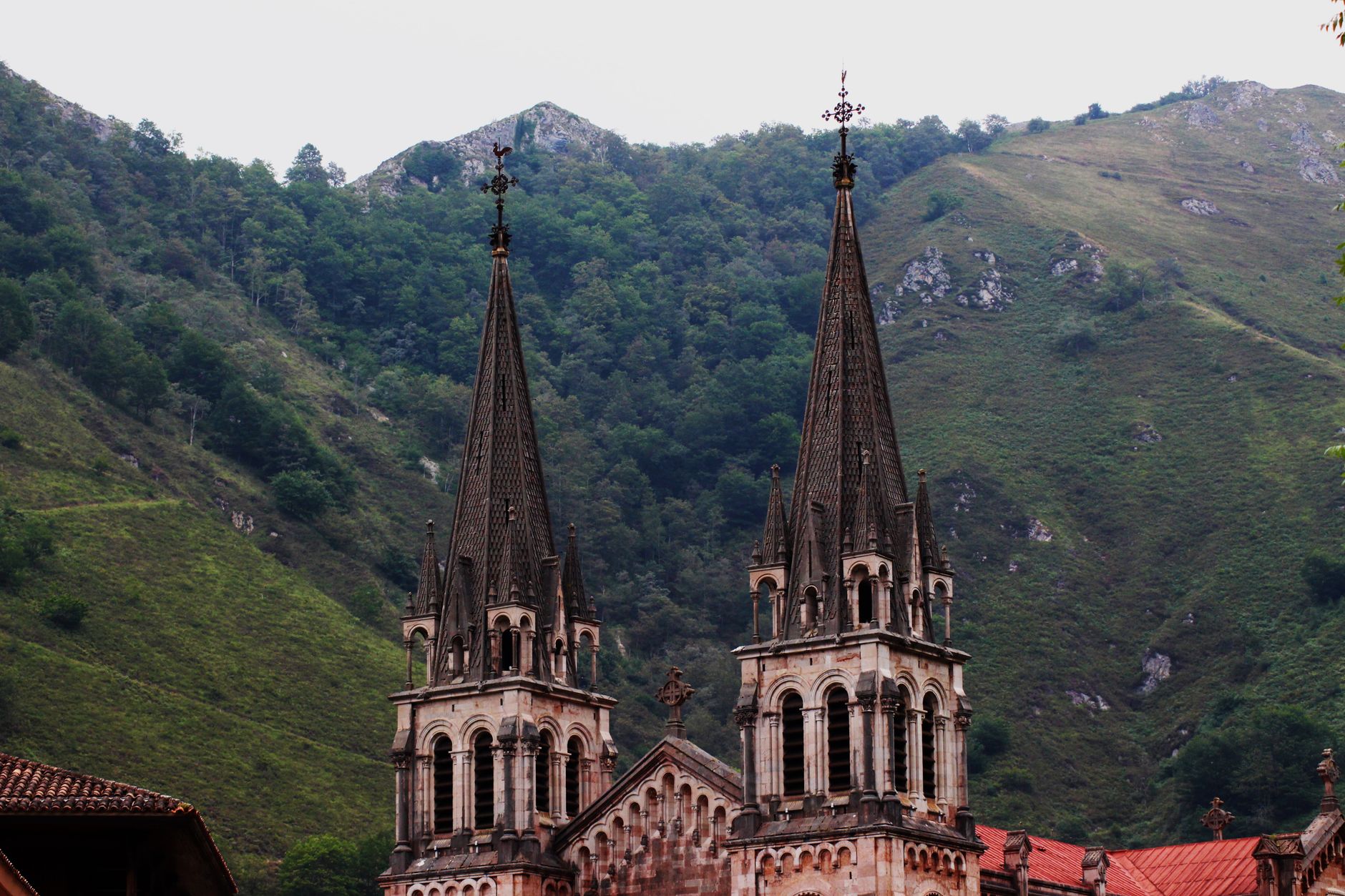


A steady drizzle often darkens the limestone of the old quarter before noon, which is your cue to head indoors. Oviedo sits in an inland basin rimmed by green peaks, orderly and entirely walkable. Ninth-century stonework survives untouched on the slopes of Monte Naranco, while down on Calle Gascona, waiters pour tart cider from above their heads with practiced disinterest. It is a town built on slow bean stews, sharp blue cheese, and crisp mountain air.
Last updated 26 Aug 2026
Build a Oviedo itinerary.
Choose up to 4 threads that pull you in. Your plan arrives organised around them.
Routes Through Oviedo
Trips readers have saved that pass through here — the well-worn ones first.
Browse all tripsThe Bed
Where to stay in Oviedo
Which part of town to book, and what each one costs you in walking, noise or quiet.
The Comparison
Oviedo, or somewhere near it
The places you are realistically choosing between, and the honest case for each.
The Local Record
Where to read more about Oviedo
The blogs, boards, guides and operators worth bookmarking.
What to do in Oviedo Asturias Spain
Oviedo is shaped for walking. Life here rotates around lively market mornings at El Fontán, afternoon strolls through the old sandstone plazas, and unhurried evenings in traditional chigres. It suits travellers who prefer regional food and architecture over rushed sightseeing, with ninth-century pre-Romanesque monuments sitting quietly just above town.
24 hours in Oviedo Asturias Spain
Start with carbayones at Camilo de Blas, then tour San Salvador Cathedral and its Holy Chamber. Walk up to Santa María del Naranco before lunch. Spend the afternoon browsing El Fontán, then finish on Calle Gascona for cider and a steaming bowl of fabada asturiana. Select 1 Day above to see it.
2 days in Oviedo Asturias Spain
Day two gives you time to explore the cloistered Archaeological Museum and the quiet alleys around Plaza de Trascorrales. Head slightly out to the mining valley or take the 30-minute train to coastal Gijón for fresh seafood, returning for evening cheeses at a corner taberna. Choose 2 Days to expand the plan.
3 days in Oviedo Asturias Spain
Three days allow an unhurried excursion into the limestone peaks of Somiedo or the gorges of Redes Natural Park. Back in town, linger over moscovitas in Campo de San Francisco and book an evening table for cachopo, a breaded veal cutlet stuffed with ham and local cheese.
Oviedo Asturias Spain itineraries by interest
Cider Houses in Oviedo Asturias Spain
Watch waiters pour natural sidra from shoulder height on Calle Gascona, ordered alongside fried chorizo in cider and plates of local cured ham.
Sacred Architecture in Oviedo Asturias Spain
Walk to Monte Naranco to see ninth-century Santa María del Naranco and San Miguel de Lillo, masterclasses in pre-Romanesque stone barrel vaulting.
Hearty Stews in Oviedo Asturias Spain
Order fabada asturiana, a rich stew of large white beans, morcilla, chorizo, and pork shoulder simmered slowly in traditional earthenware pots.
Artisan Cheeses in Oviedo Asturias Spain
Sample pungent Cabrales, creamy Afuega'l Pitu, and smoked Gamoneu from cheese mongers inside the nineteenth-century Mercado El Fontán.
Historic Markets in Oviedo Asturias Spain
Browse the stalls at Plaza del Fontán on Thursday and Sunday mornings for fresh produce, cured meats, dried beans, and Asturian baked goods.
Fine Pastries in Oviedo Asturias Spain
Stop at Camilo de Blas on Calle Jovellanos for carbayones, glazed almond pastries created here in 1924, or try Rialto’s crisp moscovitas.
Cathedrals & Relics in Oviedo Asturias Spain
Visit San Salvador Cathedral and its Holy Chamber, housing the ninth-century Sudarium of Oviedo and the jewel-encrusted Cross of the Angels.
Mountain Walks in Oviedo Asturias Spain
Climb the paved trails of Monte Naranco for broad views over the city rooftops and the limestone crags of the Cantabrian range beyond.
Local Taverns in Oviedo Asturias Spain
Wander the flagstones of Calle San Bernabé for small glasses of vermouth on tap and hot tapas like croquetas and grilled pimientos de Padrón.
Urban Parks in Oviedo Asturias Spain
Stroll Campo de San Francisco to find peacocks, ancient oak trees, and locals reading morning papers near the statue of cartoon girl Mafalda.
Regional History in Oviedo Asturias Spain
Explore the Archaeological Museum of Asturias, housed in a former Benedictine cloister, with artefacts spanning from prehistoric caves to Romans.
Day Trips in Oviedo Asturias Spain
Take a 30-minute train ride north to Gijón’s rocky headland or drive south toward the hiking trails of the dramatic Ubiñas-La Mesa Natural Park.