.jpg)
.jpg)

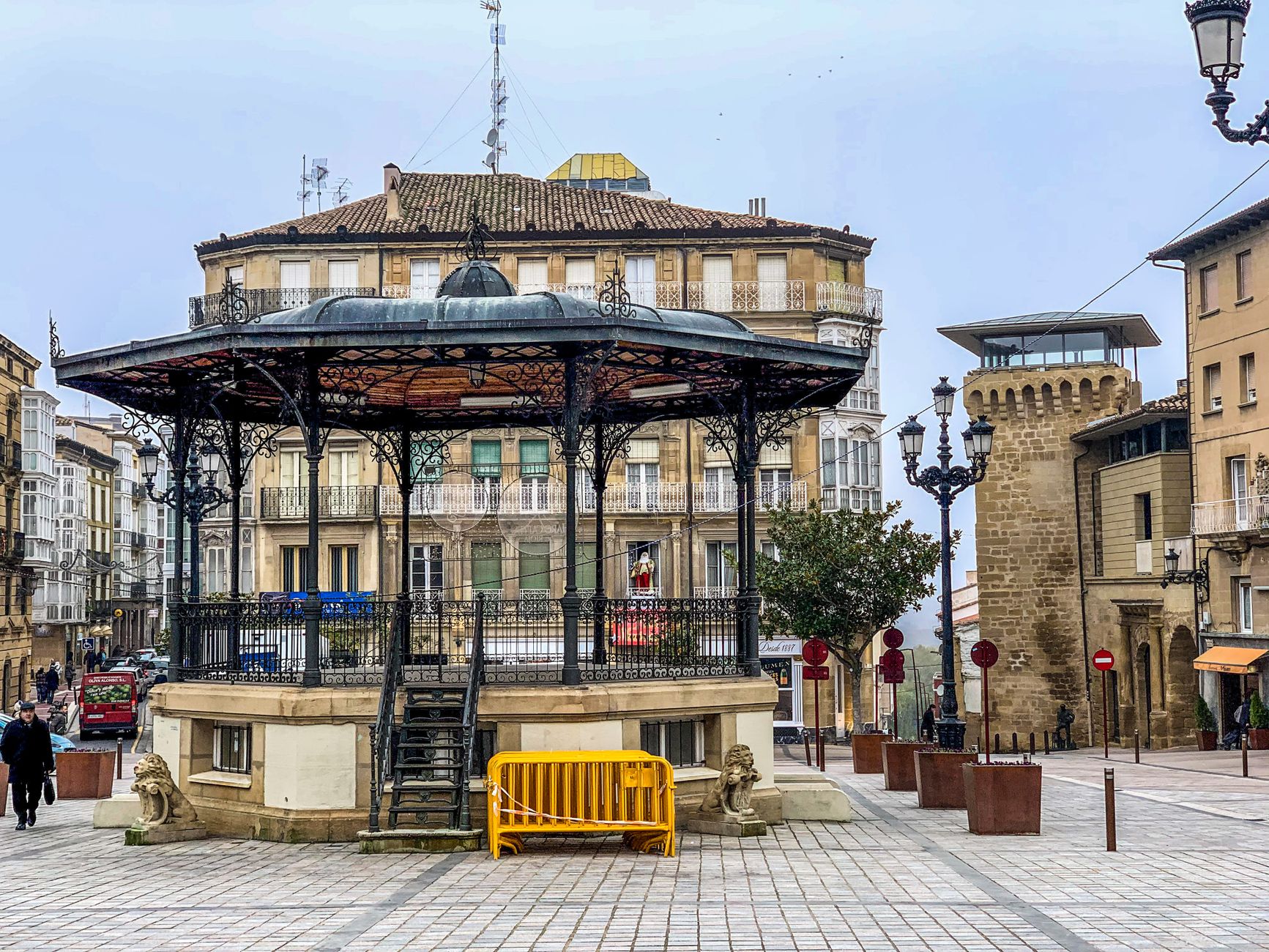
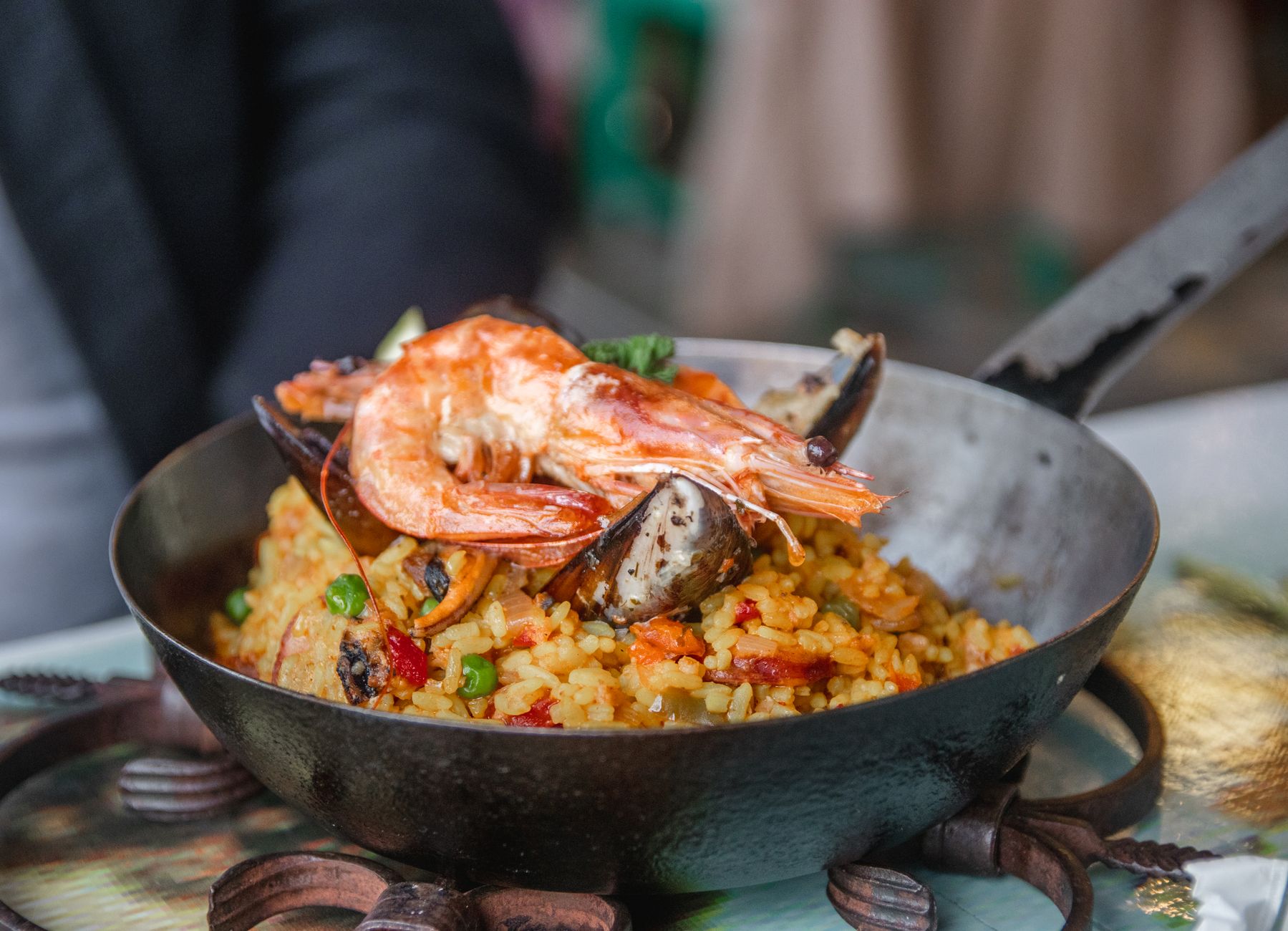

Salt mist hits your coat the minute you round the headland of Santa Catalina, where Chillida’s concrete sculpture stares down the Bay of Biscay. Below lies Cimavilla, an old fishermen’s quarter of sloping lanes where the afternoon routine rarely varies: a green bottle of natural cider tipped from shoulder height into a wide glass, drunk in one brisk swallow. Gijón balances its working port against long sweeps of sand, unbothered by flashiness and fiercely loyal to the table.
Last updated 31 Aug 2026
Build a Gijón itinerary.
Choose up to 4 threads that pull you in. Your plan arrives organised around them.
We'll craft a 4-lens plan for Gijón, one collapsible strand per lens.
Local Seafood
Track down spiny sea urchins (oricios), grilled spider crab, and Cantabrian hake cooked in cider along the stone taverns of Cimavilla.
Local Seafood
Track down spiny sea urchins (oricios), grilled spider crab, and Cantabrian hake cooked in cider along the stone taverns of Cimavilla.
Morning Fishmonger Circuit
Mercado del Sur
Walk the basement fish stalls early to see freshly landed Cantabrian hake and spider crabs. Grab an espresso at the corner cafe for two euros before vendors get busy.
Editor TipBuilt in 1899, this iron-and-glass market remains the culinary nerve centre where home cooks debate the provenance of red mullet with fishmongers who take quality personally. Wear shoes with grip; the wet tiled floors are cleaned continuously and can be slick.
High-Poured Cider and Cantabrian Seafood
Sidrería El Lavaderu
Grab an outdoor table on Plaza Arturo Arias by eight to beat the rush. Order whole boiled spider crab, steamed clams, and natural Asturian cider poured tableside.
Editor TipNatural cider here is poured from above head height to aerate the flat juice on the glass edge, a ritual designed to drink each splash down in a single swift gulp. Drink your glass immediately while the bubbles linger, leaving the dregs to rinse the rim before passing it back.
Fresh Goose Barnacles and Cider
Sidrería Ataulfo
Order percebes by weight and a plate of grilled pixín. Arrive right at 14:30 to secure a wooden table; lunch runs ninety minutes and costs about thirty-five euros per person.
Editor TipCantabrian fishermen harvest barnacles from wave-battered cliffs at low tide, boiling them immediately in seawater with a bay leaf to preserve the oceanic brine. Drink the unpasteurised cider in one quick gulp while the foam holds; letting it go flat is considered bad manners.
Old Fishing Harbour Stroll
Puerto de Luanco
Wander the cobbled stone slips of the old harbour and grab a seaside stool for cider and a plate of grilled bonito or percebes. No bookings needed before the midday rush.
Editor TipLuanco grew around medieval whaling and deep-sea bonito fleets, maintaining a dense tangle of stone seafaring houses that still smells of tidal kelp and brine. Sit at the harbour wall benches near Calle la Riba to watch the morning small-boat crews haul in their lines.
Whole Roasted Wild Turbot
Restaurante El Catalán
Book an outdoor table overlooking the slipway. Order whatever round fish arrived that morning, priced by weight, alongside a dish of boiled velvet crabs. Budget 45 euros per person.
Editor TipTazones is a working inlet where small-boat longliners still land turbot, hake, and spider crab daily, cooking catch simply over iron planchas with local cider vinegar. Avoid the tourist paellas entirely. Ask the server what the boats brought in at midday and let them weigh the fish.
Coastal Walks
Follow the Senda del Cervigón past Playa de San Lorenzo to the cliffs of La Providencia, walking six paved kilometres above the crashing surf.
Coastal Walks
Follow the Senda del Cervigón past Playa de San Lorenzo to the cliffs of La Providencia, walking six paved kilometres above the crashing surf.
Cliffside Cantabrian Coast Walk
Senda del Cervigón
Walk the paved three-kilometre coastal path from San Lorenzo beach out toward El Rinconín. Allow ninety leisurely minutes before dusk; free access, flat footing, and plenty of stone benches.
Editor TipThis rugged coastline was once the lookout trail for coastal watchmen guarding the Bay of Biscay against privateers and monitoring seasonal sardine schools. The Cantabrian wind picks up without warning around sunset. Keep a light wool layer in your daypack.
Clifftop Headland Walk
Cabo de Peñas
Follow the wooden boardwalks around the 1852 lighthouse. The trails are free, open year-round, and take about ninety minutes to loop without rushing your footing.
Editor TipThis is the northernmost tip of Asturias, where sheer quartzite cliffs drop a hundred metres into waters that have tested Cantabrian fishermen since the twelfth century. Stick strictly to marked timber walkways; the sea spray makes the shale ledges remarkably slick after dawn.
Historic Quarters
Climb the narrow paved streets of Cimavilla past cider presses, Roman ramparts, and fisherman cottages fronting the Plaza Mayor.
Historic Quarters
Climb the narrow paved streets of Cimavilla past cider presses, Roman ramparts, and fisherman cottages fronting the Plaza Mayor.
Sea Cliff Headland Walk
Cerro de Santa Catalina
Climb the grassy slopes above Cimavilla to stand inside Chillida's massive concrete sculpture. Free entry, paved paths, and thirty minutes is plenty of time to take it in.
Editor TipOnce a fortified military outpost shielding the old fishermen's quarter, the headland now anchors the city's relationship with the fierce, wind-whipped Bay of Biscay. Stand directly beneath the sculpture arch to hear the ocean sound funnel into a deep resonance.
Walking Historic Fishermen Alleys
Barrio de Cimavilla
Wander the cobbled lanes between Calle Rosario and Plaza de Arturo Arias. No tickets required; spend ninety minutes on foot before the midday crowds arrive.
Editor TipPerched on the Santa Catalina headland, Cimavilla was home to Roman cigar-makers and generations of inshore fishermen who sheltered their dories in the old harbour below. Wear rubber-soled shoes; the centuries-old paving stones stay slick long after the morning mist burns off.
Note from the Editor
“Start early before the delivery vans block the alleys of Cimavilla. The fish stalls at Mercado del Sur fill out by nine, well before the morning cider crowds arrive.”
Routes Through Gijón
Trips readers have saved that pass through here — the well-worn ones first.
Browse all tripsThe Bed
Where to stay in Gijón
Which part of town to book, and what each one costs you in walking, noise or quiet.
Places to stay
Central, well-rated and easy to find again. Distances are from the middle of town.
These links go to Booking.com and earn us a commission. They cost you nothing extra.
The Comparison
Gijón, or somewhere near it
The places you are realistically choosing between, and the honest case for each.
The Local Record
Where to read more about Gijón
The blogs, boards, guides and operators worth bookmarking.
What to do in Gijón Asturias Spain
Gijón is a coastal city shaped by maritime trade, Atlantic swells, and deep culinary pride. Days here naturally follow the tide and the rhythm of the chigres, as local cider taverns are known. Between walking the promenade of San Lorenzo beach, exploring the old quarter of Cimavilla, and visiting the monumental Universidad Laboral, the city suits independent travellers who appreciate robust northern food, salty sea air, and unpretentious northern hospitality.
24 hours in Gijón Asturias Spain
Spend the morning walking the crescent of San Lorenzo before heading up to Cimavilla. Have lunch at a tavern on Plaza de Arturo Arias with a pot of fabada and a bottle of sidra. In the late afternoon, climb to Chillida's sculpture on the Cerro de Santa Catalina to catch the Biscay sunset, then finish with grilled hake in the marina district. Select 1 Day above to see it.
2 days in Gijón Asturias Spain
A second day lets you explore the colossal 1950s architecture of Universidad Laboral and the nearby Atlantic Botanical Garden. Head east for an afternoon walk along the Senda del Cervigón cliffs toward La Providencia, stopping at a rustic llagar in Somió for grilled chorizo and fresh-pressed cider straight from the barrel. Choose 2 Days to expand the plan.
3 days in Gijón Asturias Spain
Three days unlocks the fishing villages of Candás and Luanco just fifteen minutes northwest by bus, or the dramatic prehistoric cider-growing hills around Villaviciosa. Back in town, slow down to browse the Mercado del Sur and linger over seasonal spider crab and sea urchin dishes without checking the train timetable.
Gijón Asturias Spain itineraries by interest
Cider Traditions in Gijón Asturias Spain
Watch waiters pour natural sidra from height in Plaza del Marqués, serving a single gulp called a culín alongside plates of sharp Cabrales cheese.
Local Seafood in Gijón Asturias Spain
Track down spiny sea urchins (oricios), grilled spider crab, and Cantabrian hake cooked in cider along the stone taverns of Cimavilla.
Coastal Walks in Gijón Asturias Spain
Follow the Senda del Cervigón past Playa de San Lorenzo to the cliffs of La Providencia, walking six paved kilometres above the crashing surf.
Roman Heritage in Gijón Asturias Spain
Step into the subterranean Roman baths at Campo Valdés and tour the first-century fortified settlement at the Campa Torres archaeological park.
Urban Beaches in Gijón Asturias Spain
Stroll the crescent sands of Playa de San Lorenzo at low tide, or head west to Poniente beach for calmer water and views of the marina.
Markets & Produce in Gijón Asturias Spain
Browse Mercado del Sur for cured cecina, artisan cow-milk cheeses like Afuega'l Pitu, and crusty loaves of Asturian sourdough bread.
Hearty Stews in Gijón Asturias Spain
Order fabada asturiana, the rich white bean stew simmered with chorizo, morcilla, and pork shoulder, best eaten slowly on a damp afternoon.
Public Art in Gijón Asturias Spain
Visit Chillida’s massive Elogio del Horizonte perched over the ocean cliff, then explore the contemporary galleries inside the LABoral centre.
Maritime History in Gijón Asturias Spain
Walk the historic Puerto Deportivo, observing wooden fishing boats moored beside the eighteenth-century collegiate church of San Juan Bautista.
Botanical Gardens in Gijón Asturias Spain
Wander 25 hectares of temperate Atlantic woodland and historic orchards at the Jardín Botánico Atlántico, a fifteen-minute bus ride from town.
Historic Quarters in Gijón Asturias Spain
Climb the narrow paved streets of Cimavilla past cider presses, Roman ramparts, and fisherman cottages fronting the Plaza Mayor.
Pastries & Sweets in Gijón Asturias Spain
Sample princess-cut tarta gijonesa made with toasted almond paste, or crisp frixuelos crepes dusted in sugar at historic local confiterías.