
.jpg)
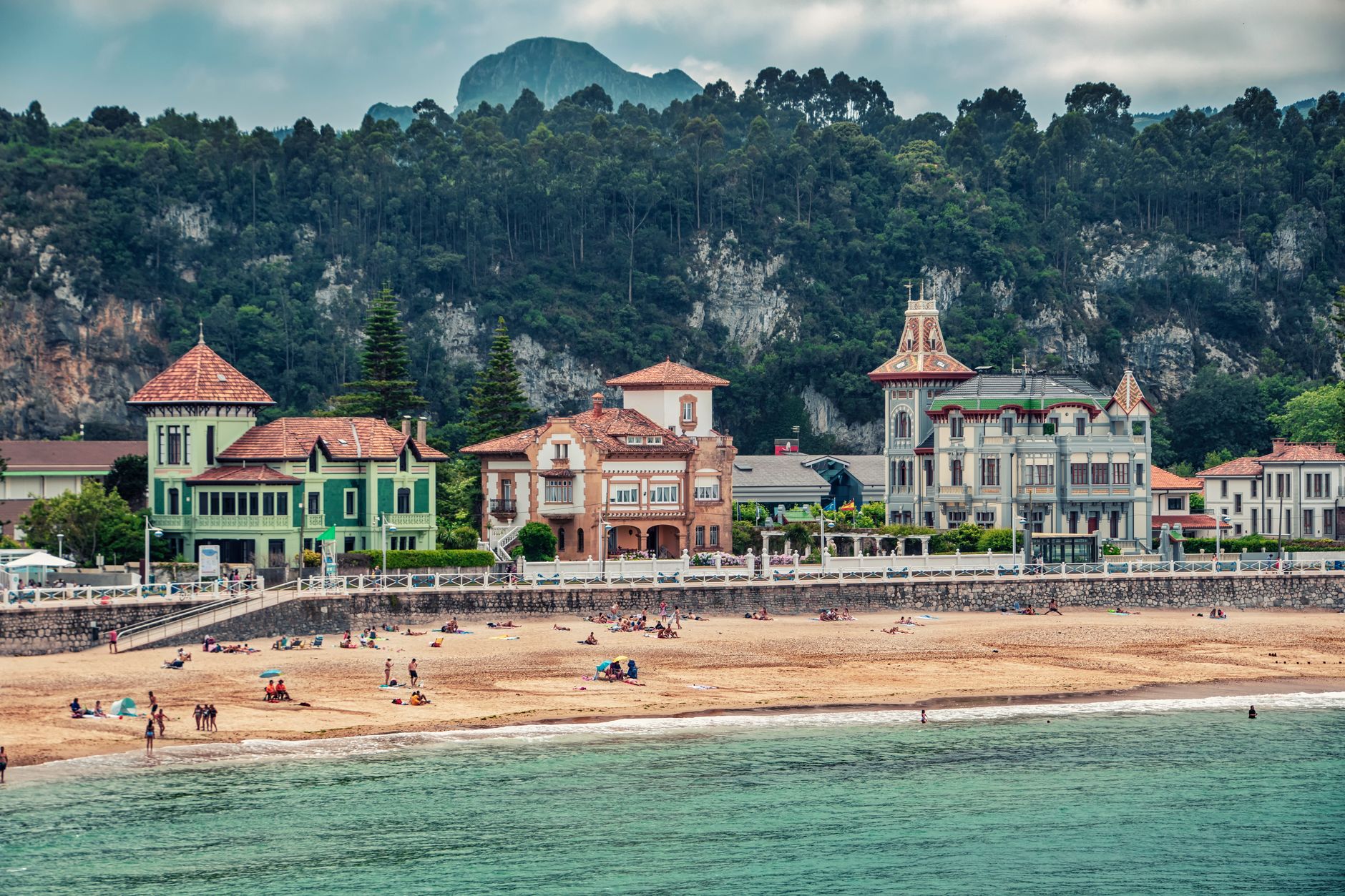
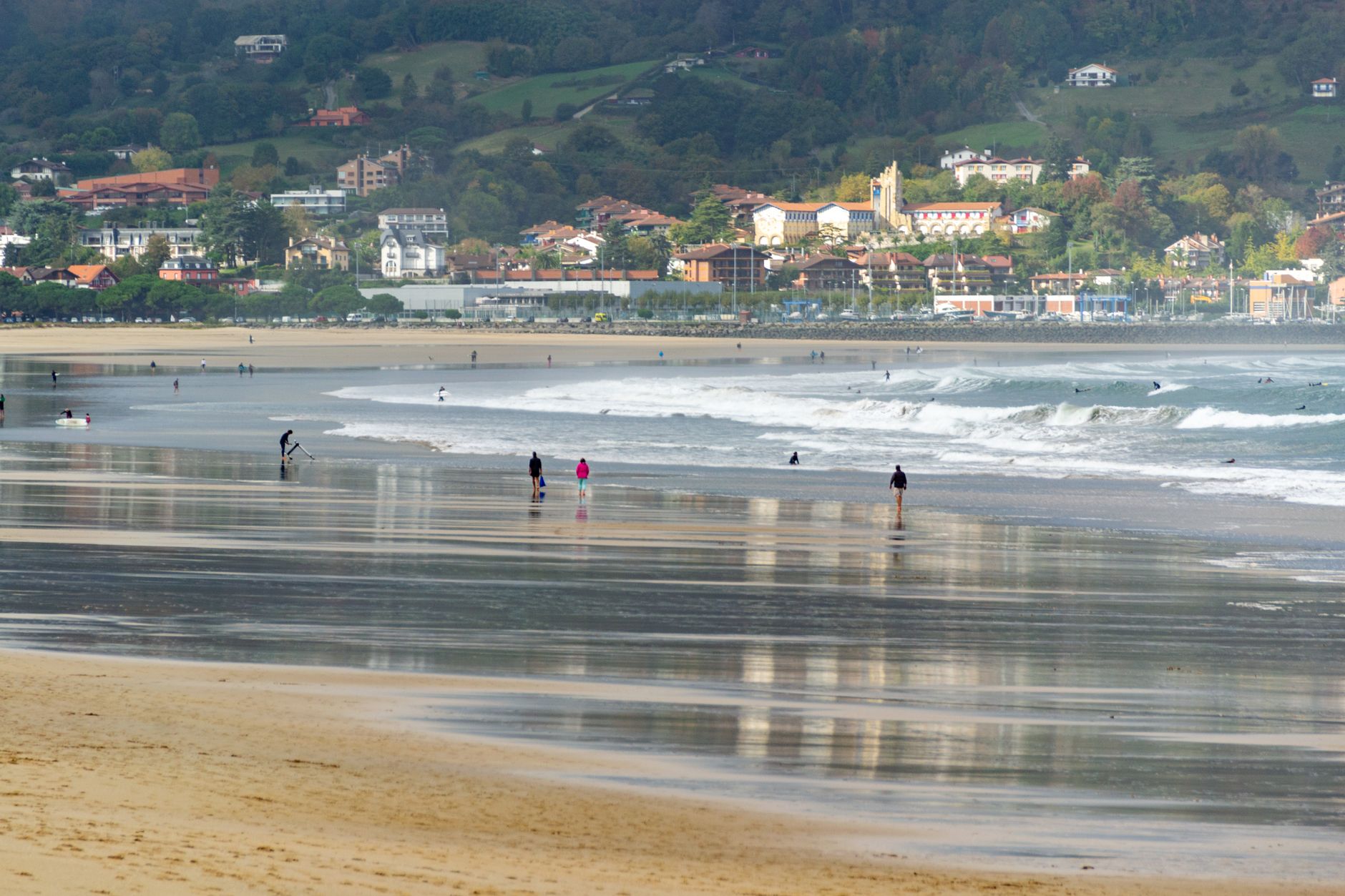

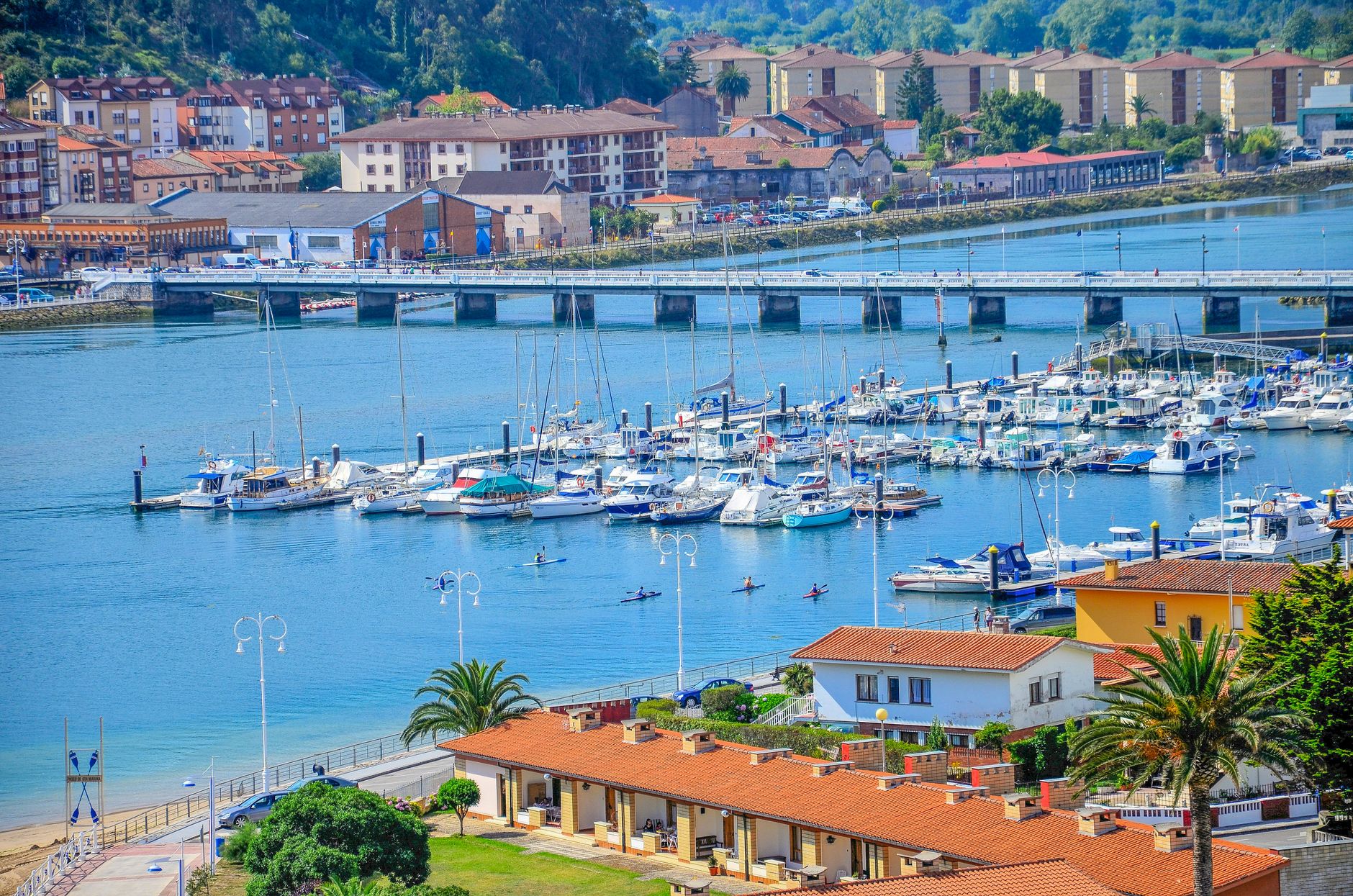
The bridge splits the town into two distinct temperaments: the working fishing quarter huddling under Mount Corberu on the east bank, and the grand, eccentric summer villas built by returning emigrants along Playa de Santa Marina on the west. You come for Tito Bustillo, where Paleolithic painters worked twelve thousand years ago, and you stay for local cider poured straight from shoulder height into thin glass.
Last updated 31 Aug 2026
Build a Ribadesella itinerary.
Choose up to 4 threads that pull you in. Your plan arrives organised around them.
The Bed
Where to stay in Ribadesella
Which part of town to book, and what each one costs you in walking, noise or quiet.
The Comparison
Ribadesella, or somewhere near it
The places you are realistically choosing between, and the honest case for each.
The Local Record
Where to read more about Ribadesella
The blogs, boards, guides and operators worth bookmarking.
What to do in Ribadesella Asturias Spain
Ribadesella suits travellers who like maritime grit balanced with quiet elegance. Life here follows the tides of the Sella and the opening hours of the cider houses. You spend mornings inspecting Stone Age cave paintings or walking the clifftops, afternoons on the broad sand of Santa Marina, and evenings nursing cool glasses of sidra over plates of hake and spider crab in the old fishing quarter.
24 hours in Ribadesella Asturias Spain
Start at nine with a pre-booked entry to Tito Bustillo cave, then cross the bridge into the old town for a lunch of fabada and grilled squid on Calle Manuel Caso de la Villa. Walk up to the Ermita de la Guía before dusk, then settle into a tavern for cider and Gamonéu cheese. Select 1 Day above to see it.
2 days in Ribadesella Asturias Spain
A second day takes you west along the coastal road to Playa de Vega. Search the coastal rock shelves for fossilised dinosaur tracks, then sit down for whole baked sea bass at an unpretentious beachside grill before strolling past the Belle Époque chalets on Santa Marina promenade. Choose 2 Days to expand the plan.
3 days in Ribadesella Asturias Spain
With three days, hire a canoe upriver at Arriondas to paddle the Sella down to the coast, or drive inland twenty minutes to Cangas de Onís for the Roman bridge and mountain cheese markets. Return to town for sunset drinks on the Paseo de la Grúa.
Ribadesella Asturias Spain itineraries by interest
Prehistoric Art in Ribadesella Asturias Spain
Book Tito Bustillo weeks ahead to view 14,000-year-old ochre horse paintings and engravings inside the limestone cave system.
Local Seafood in Ribadesella Asturias Spain
Order grilled pixín, steamed percebes, or arroz con bogavante at the harbour taverns along Calle Manuel Caso de la Villa.
Cider Culture in Ribadesella Asturias Spain
Drink tart Asturian sidra poured from shoulder height to aerate each draught at traditional sidrerías near the fish market.
Coastal Architecture in Ribadesella Asturias Spain
Walk the Santa Marina seafront promenade to study palatial Indiano mansions built by wealthy emigrants returned from the Americas.
River Adventures in Ribadesella Asturias Spain
Paddle a rented kayak down the tidal River Sella from Arriondas, finishing under the central bridge in Ribadesella.
Scenic Viewpoints in Ribadesella Asturias Spain
Climb the stepped path to the 16th-century Ermita de la Guía on Mount Corberu for views over the port and open Cantabrian Sea.
Regional Cheeses in Ribadesella Asturias Spain
Sample raw-milk Gamonéu and pungent blue Cabrales aged in limestone mountain caves, sold in town food shops along Calle Gran Vía.
Coastal Walks in Ribadesella Asturias Spain
Follow the cliff trail east toward the dinosaur footprints pressed into the Jurassic rock shelves at Playa de Vega.
Historic Quarters in Ribadesella Asturias Spain
Wander the narrow pedestrian lanes of the Casco Antiguo to find Renaissance stone houses, Casa de Ardines, and Plaza de la Reina.
Local Markets in Ribadesella Asturias Spain
Visit the Wednesday morning market in the old quarter for cured sausages, local honey, seasonal orchard fruit, and artisan bread.
Beach Days in Ribadesella Asturias Spain
Spend the afternoon on Playa de Santa Marina or walk west to the wild dunes and surf breaks at rural Playa de Vega.
Maritime History in Ribadesella Asturias Spain
Stroll the Paseo de la Grúa to view ceramic murals by Mingote depicting centuries of local fishing and whaling traditions.