.jpg)
.JPG)
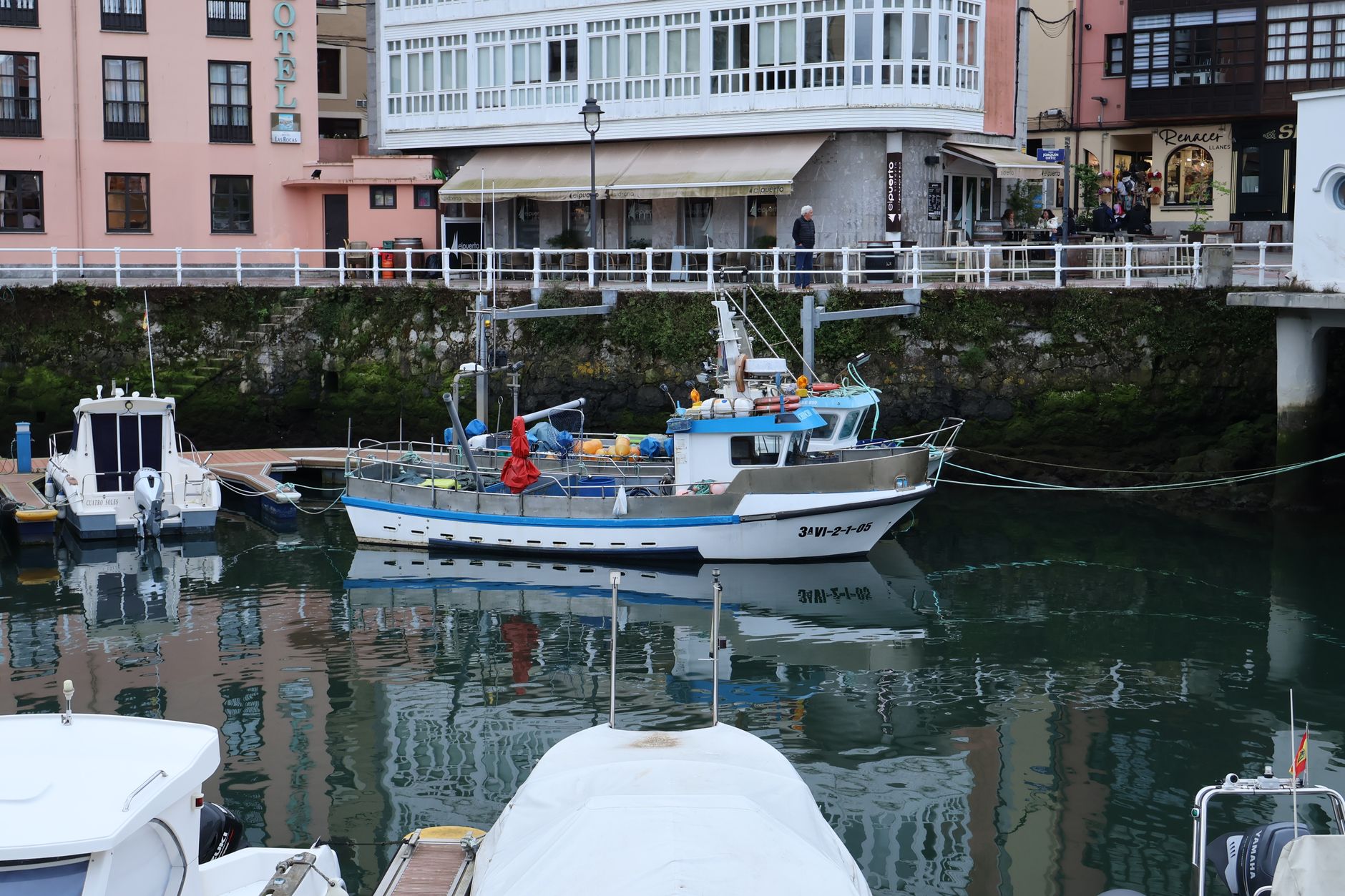
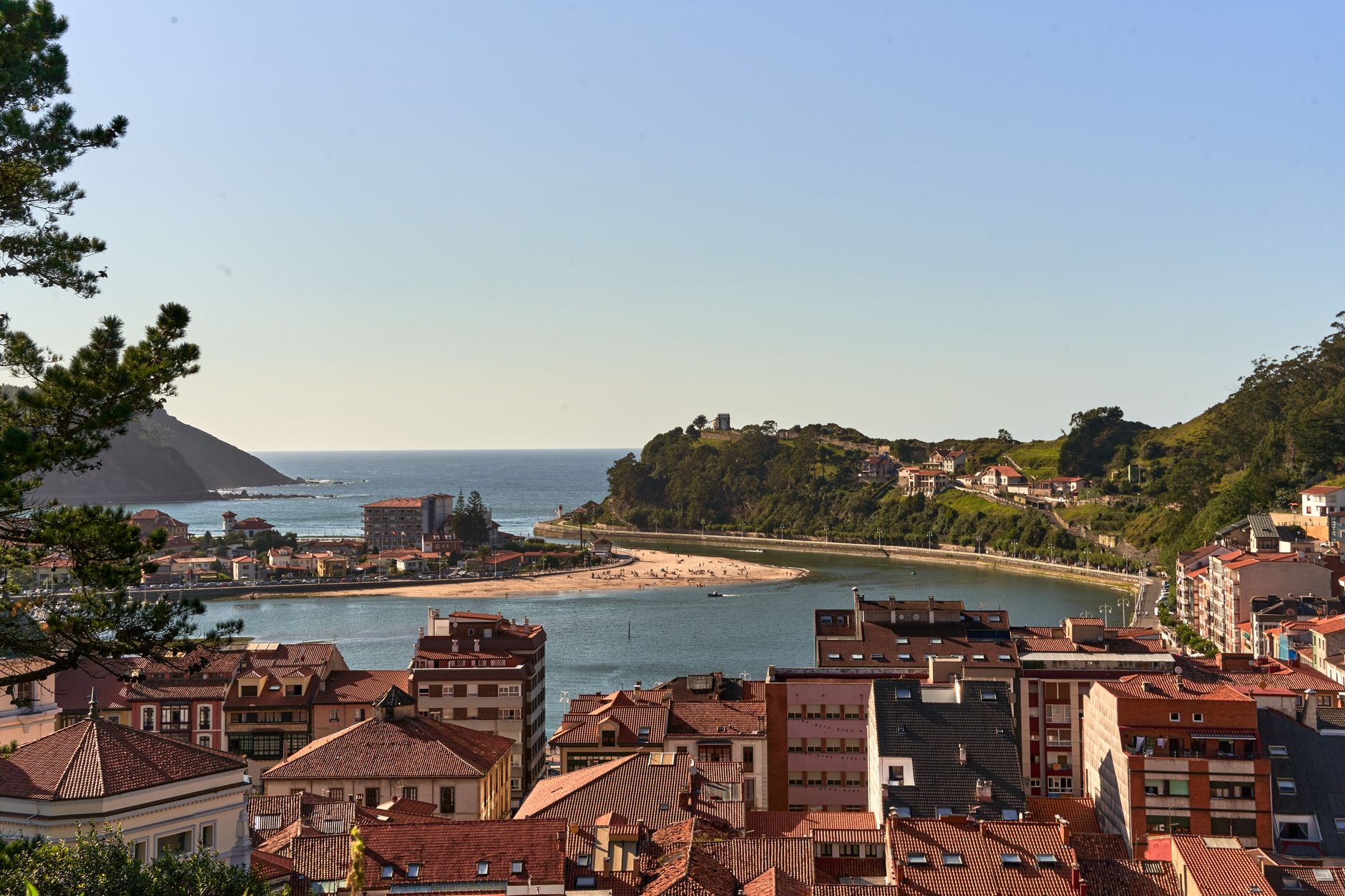
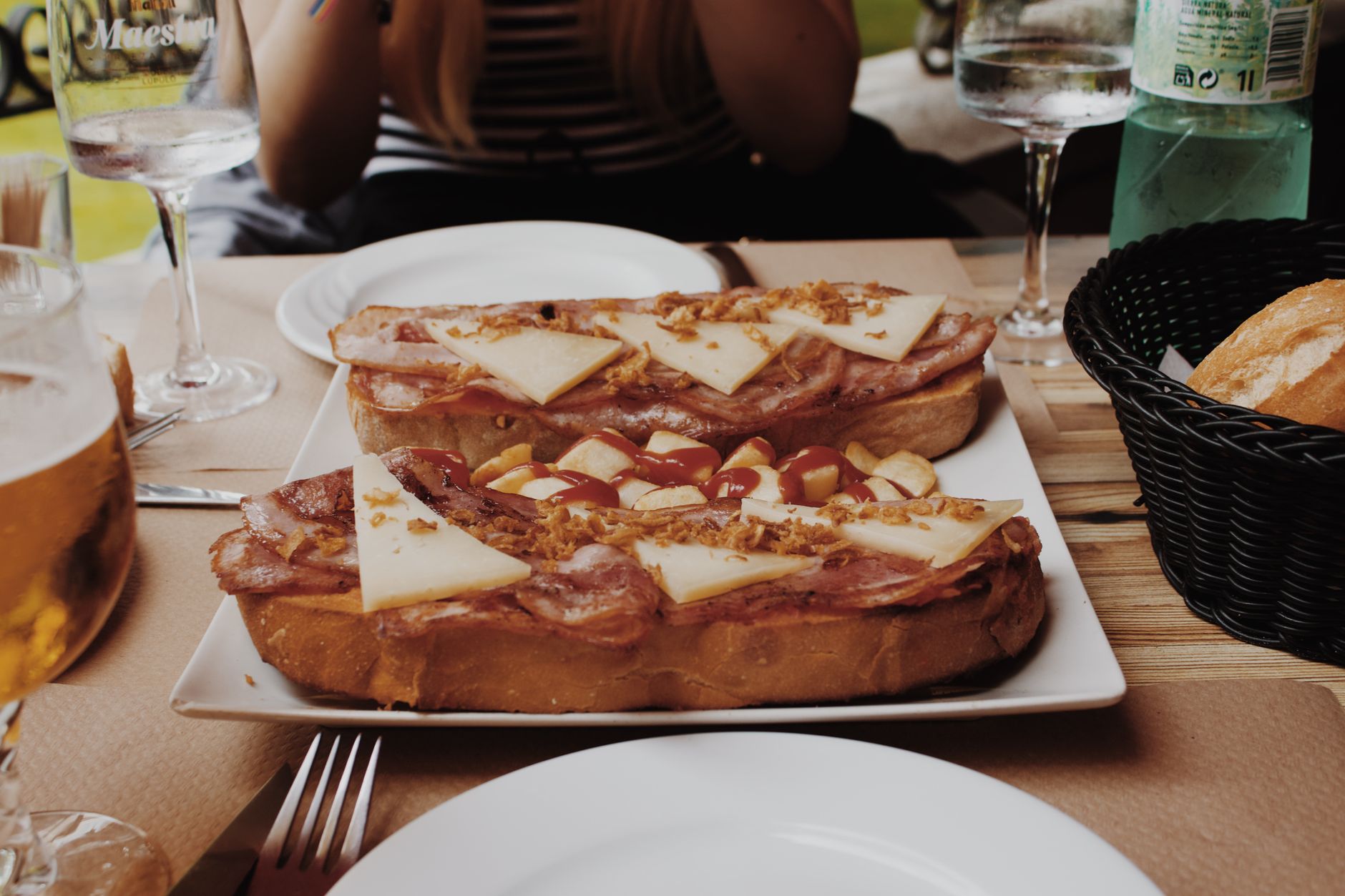
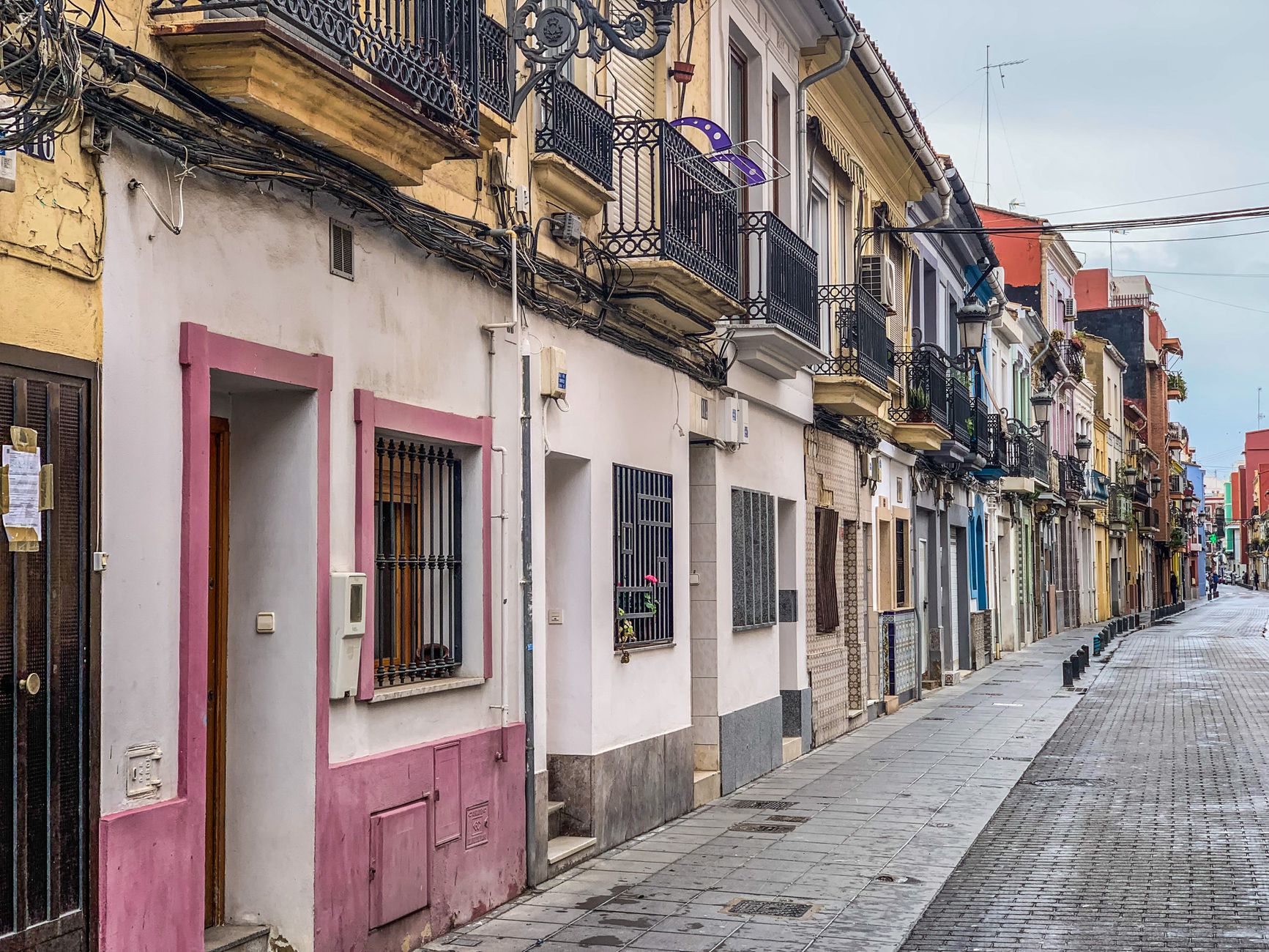
The Cantabrian Sea crashes against pale limestone cliffs just yards from a tangle of fourteenth-century stone alleys. In Llanes, the mountains of the Picos de Europa hang directly over your shoulder while trawlers unload hake and spider crab at the quay. You come for the brisk walk out along the cliff-top Paseo de San Pedro, the painted concrete breakwaters at the port, and the quiet satisfaction of drinking tart local cider poured from head height over grilled monkfish.
Last updated 26 Aug 2026
Build a Llanes itinerary.
Choose up to 4 threads that pull you in. Your plan arrives organised around them.
The Bed
Where to stay in Llanes
Which part of town to book, and what each one costs you in walking, noise or quiet.
The Comparison
Llanes, or somewhere near it
The places you are realistically choosing between, and the honest case for each.
The Local Record
Where to read more about Llanes
The blogs, boards, guides and operators worth bookmarking.
What to do in Llanes Asturias Spain
Llanes balances working fishing harbour grit with pristine Asturian coastline. Life centers on the pedestrian core inside the old walls and the taverns pouring crisp cider along Calle Mayor. It suits travellers who appreciate coastal hiking without manicured resort artifice, eating pristine seafood pulled from cold northern water, and watching afternoon fog roll down off the Picos de Europa onto stone streets.
24 hours in Llanes Asturias Spain
Start along the grassy clifftop of Paseo de San Pedro for sweeping ocean views. Head into the walled old town to admire the Romanesque basilica, then sit down for roasted monkfish and cider near the port. In late afternoon, walk the breakwater to see the painted Cubos de la Memoria before tapas on Plaza Cimadevilla. Select 1 Day above to see it.
2 days in Llanes Asturias Spain
Head west along the coast to the dramatic shell-shaped bay of Playa de Torimbia. Return through Niembro to see the tidal church of Nuestra Señora de los Dolores. For dinner, venture into a rustic cider house in the nearby Ardisana valley for a steaming pot of fabada asturiana and local Cabrales cheese. Choose 2 Days to expand the plan.
3 days in Llanes Asturias Spain
Drive thirty minutes inland to Cangas de Onís and the glacial lakes of Covadonga, climbing straight into the limestone heart of the Picos de Europa. Spend your final evening back at the Llanes harbour, watching the trawlers tie up as you share a plate of percebes and a cold glass of crisp local white wine.
Llanes Asturias Spain itineraries by interest
Local Seafood in Llanes Asturias Spain
Order pixín (monkfish) a la plancha, fresh percebes, or centollo (spider crab) straight off the Cantabrian day-boats at the harbour taverns.
Coastal Walks in Llanes Asturias Spain
Walk the cliff-edge lawn of Paseo de San Pedro or follow the coastal trail east past limestone blowholes to the cove at Playa de Toró.
Cider Culture in Llanes Asturias Spain
Watch servers pour tart Asturian sidra natural from arm's length into wide glasses at lively sidrerías along Calle Mayor.
Medieval Heritage in Llanes Asturias Spain
Trace the 13th-century ramparts and the Romanesque Basilica of Santa María del Concejo through the paved lanes of the old quarter.
Modern Art in Llanes Asturias Spain
Inspect Agustín Ibarrola's Cubos de la Memoria, where massive concrete harbour breakwaters are covered in colourful geometric murals.
Regional Cheeses in Llanes Asturias Spain
Sample pungent blue Queso de Cabrales and creamy Queso de Pría with walnut bread at small cheese shops near Plaza Cimadevilla.
Beaches in Llanes Asturias Spain
Sunbathe on the tidal sands of Playa del Sablón or walk out to the karst rock pinnacles standing in the surf at Playa de Torimbia.
Mountain Excursions in Llanes Asturias Spain
Drive twenty minutes south into the limestone foothills of the Sierra del Cuera for high-pasture trails and panoramic sea vistas.
Hearty Stews in Llanes Asturias Spain
Dig into rich fabada asturiana with buttery faba beans, morcilla, and chorizo at family-run casas de comidas in town.
Maritime History in Llanes Asturias Spain
Explore the working fishing quays, the 19th-century lighthouse on Punta de San Antón, and the historic fish auction hall.
Emigrant Architecture in Llanes Asturias Spain
Spot the ornate nineteenth-century casas de indianos built with Caribbean fortunes along Avenida de la Concepción.
Traditional Pastries in Llanes Asturias Spain
Pick up crunchy hazelnut frixuelos and buttery sabores de Llanes cookies from local bakeries near the central market.