


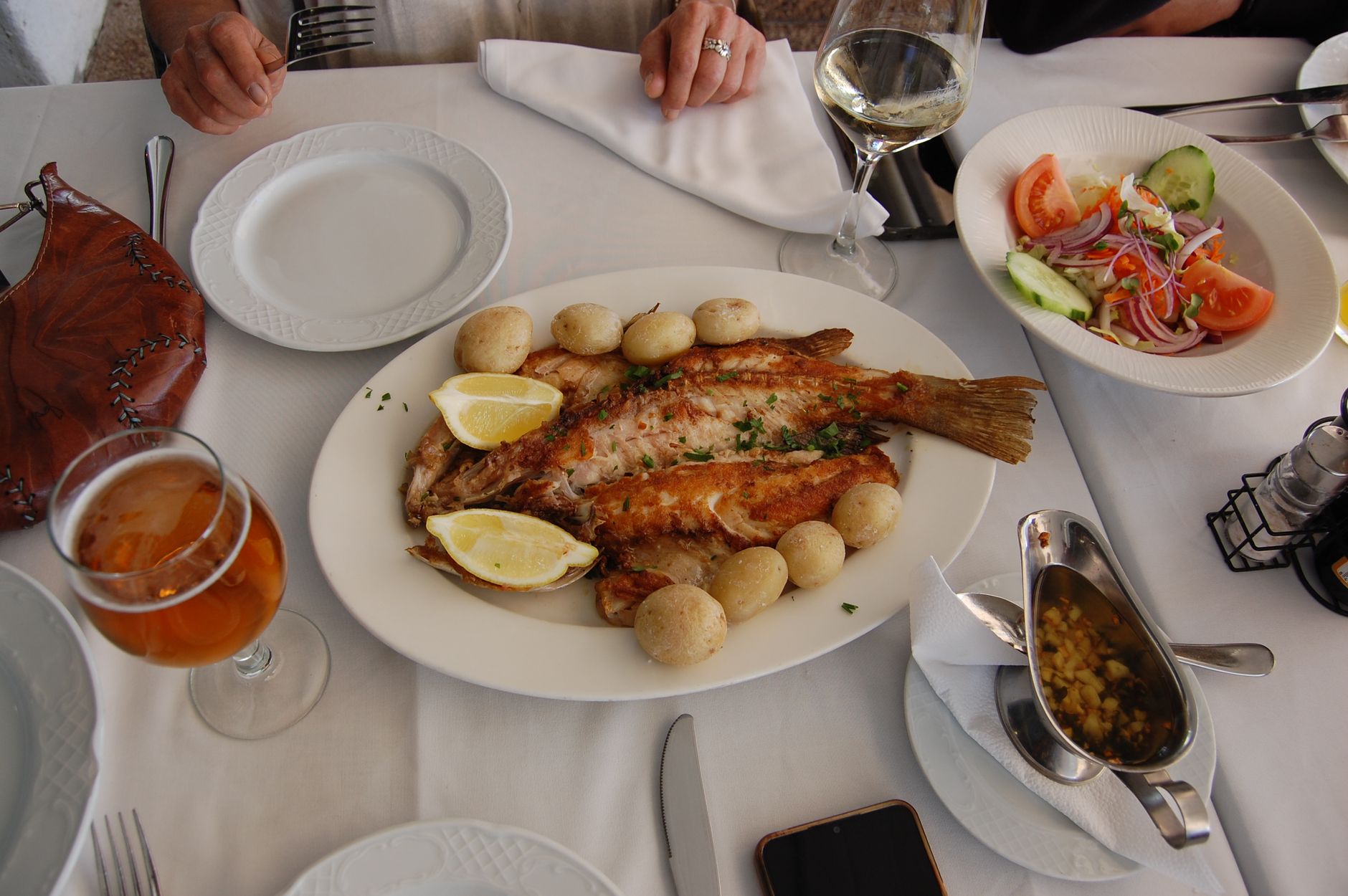

The Cantabrian tide heaves against sea walls older than the Spanish empire, slapping brine onto the gunwales of green-hulled trawlers. Seven stone bridges pin the town across the River Negro, while whitewashed houses climb the ravines like amphitheatre seating. Up on La Atalaya promontory, fishermen and Nobel laureates share one of Europe's most dramatic cliffside cemeteries, while below at the docks, cooks drop fresh hake and monkfish directly into sputtering olive oil.
Last updated 31 Aug 2026
Build a Luarca itinerary.
Choose up to 4 threads that pull you in. Your plan arrives organised around them.
The Bed
Where to stay in Luarca
Which part of town to book, and what each one costs you in walking, noise or quiet.
The Comparison
Luarca, or somewhere near it
The places you are realistically choosing between, and the honest case for each.
The Local Record
Where to read more about Luarca
The blogs, boards, guides and operators worth bookmarking.
What to do in Luarca Asturias Spain
Luarca wraps tightly around a working fishing harbor, split down the middle by the River Negro and ringed by steep green hills. Days here run to a coastal rhythm: watching the boats unload their afternoon catch, climbing between the whitewashed alleys of El Cambaral, and taking a quiet drink at a dockside sidreria. It rewards slow travellers and walkers who prefer unvarnished maritime life to resort polish.
24 hours in Luarca Asturias Spain
Start with morning coffee on Plaza de Carmen before climbing up to the cemetery and lighthouse at La Atalaya. Head down to the harbor for a long lunch of grilled monkfish and chilled cider, then spend the late afternoon wandering the quiet stairways of El Cambaral. Finish with sunset views from the Mirador del Chano. Select 1 Day above to see it.
2 days in Luarca Asturias Spain
Spend your second morning walking through the Barrio de Villar to study the eccentric Indiano mansions, followed by an hour in the sprawling Fonte Baixa gardens. Walk west to the striking rock arches of Playa de Portizuelo, then settle into a tavern on Calle Pescaderia for a pot of fabada asturiana. Choose 2 Days to expand the plan.
3 days in Luarca Asturias Spain
Use the extra day to explore the surrounding western coastline. Drive fifteen minutes east to the cliffside Ermita de la Regalina near Cadavedo, or head west to Puerto de Vega for spider crab fresh off the boat. Back in town, spend a slow evening watching the fishing fleet tie up for the night.
Luarca Asturias Spain itineraries by interest
Local Seafood in Luarca Asturias Spain
Order line-caught pixin, grilled bonito, and barnacles pulled from Cantabrian rocks at dockside taverns along Paseo del Muelle.
Maritime History in Luarca Asturias Spain
Climb to La Atalaya to see the fourteenth-century Mesa de Mareantes, where sailors met to read the tides and run whaling expeditions.
Cider Traditions in Luarca Asturias Spain
Watch servers pour tart Asturian sidra from shoulder height into wide glasses across the rustic sidrerias of Calle Pescaderia.
Coastal Walks in Luarca Asturias Spain
Follow the cliff trail from the cemetery past the 1862 lighthouse down to the pebble cove and clear water of Playa de Salinas.
Historic Architecture in Luarca Asturias Spain
Wander the Villar quarter to inspect palatial nineteenth-century Indiano estates built by returning emigrants from Cuba and Mexico.
Botanical Gardens in Luarca Asturias Spain
Tour Jardines de la Fonte Baixa, a vast private cliffside garden packed with hydrangeas, azaleas, and sweeping Cantabrian sea views.
Scenic Viewpoints in Luarca Asturias Spain
Look out from the Mirador del Chano across the river valley, harbor basin, and slate roofs stepping steeply down to the Atlantic.
Regional Cooking in Luarca Asturias Spain
Savor slow-simmered fabada asturiana with chorizo and morcilla in family-run dining rooms tucked around Plaza Alfonso X el Sabio.
Beaches & Coves in Luarca Asturias Spain
Walk ten minutes west of the port to Playa de Portizuelo, known for dramatic sea stacks, tide pools, and quiet pebble shores.
Sacred Sites in Luarca Asturias Spain
Visit the cliffside Capilla de la Atalaya and the adjoining white cemetery where Nobel laureate Severo Ochoa is buried.
Old Quarters in Luarca Asturias Spain
Navigate the steep stairways and narrow alleys of El Cambaral, the traditional fishermen quarter overlooking the inner harbor.
Day Trips in Luarca Asturias Spain
Drive twenty minutes east to Cadavedo and the Ermita de la Regalina chapel perched on high grassy bluffs above the ocean.