Darjeeling.


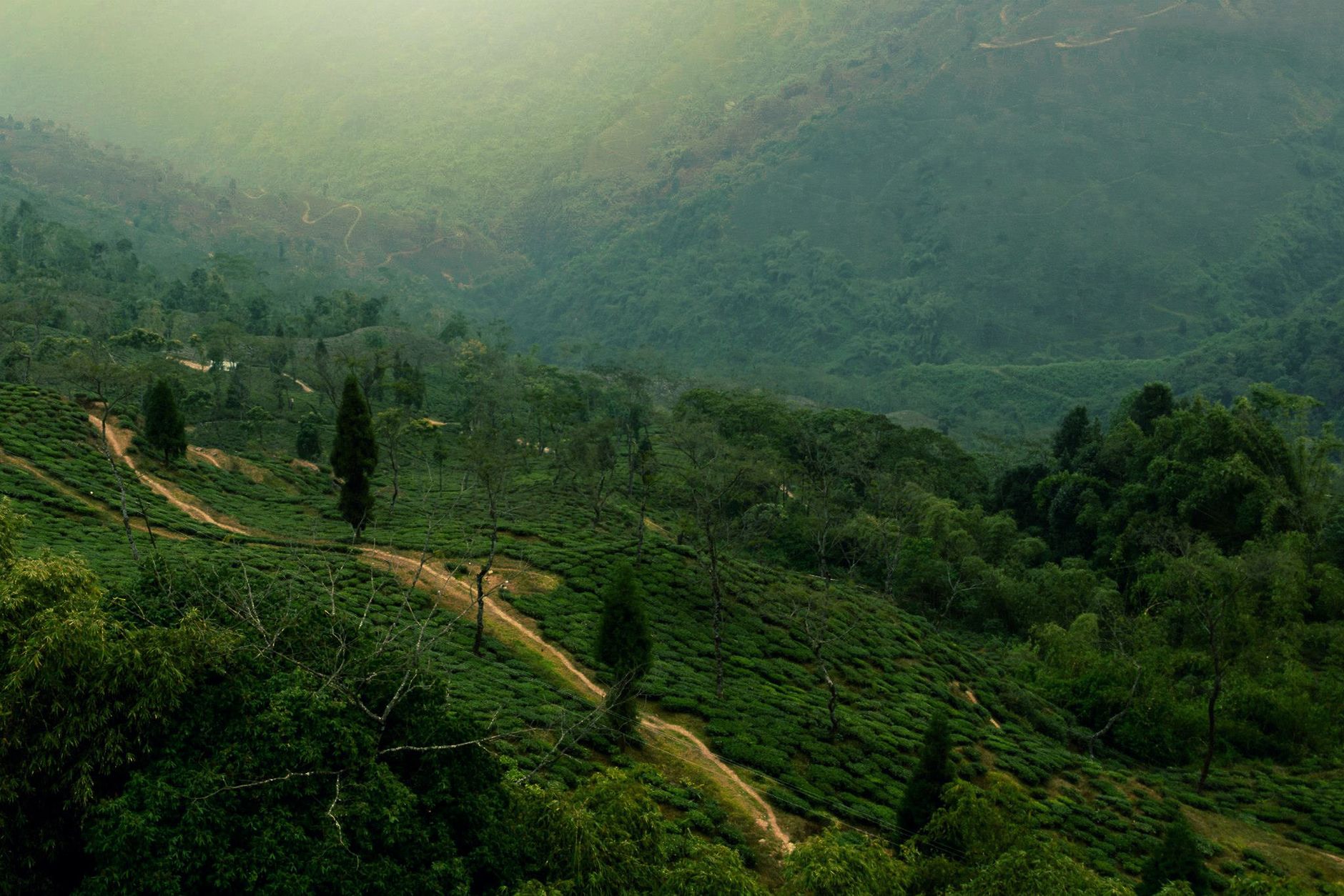
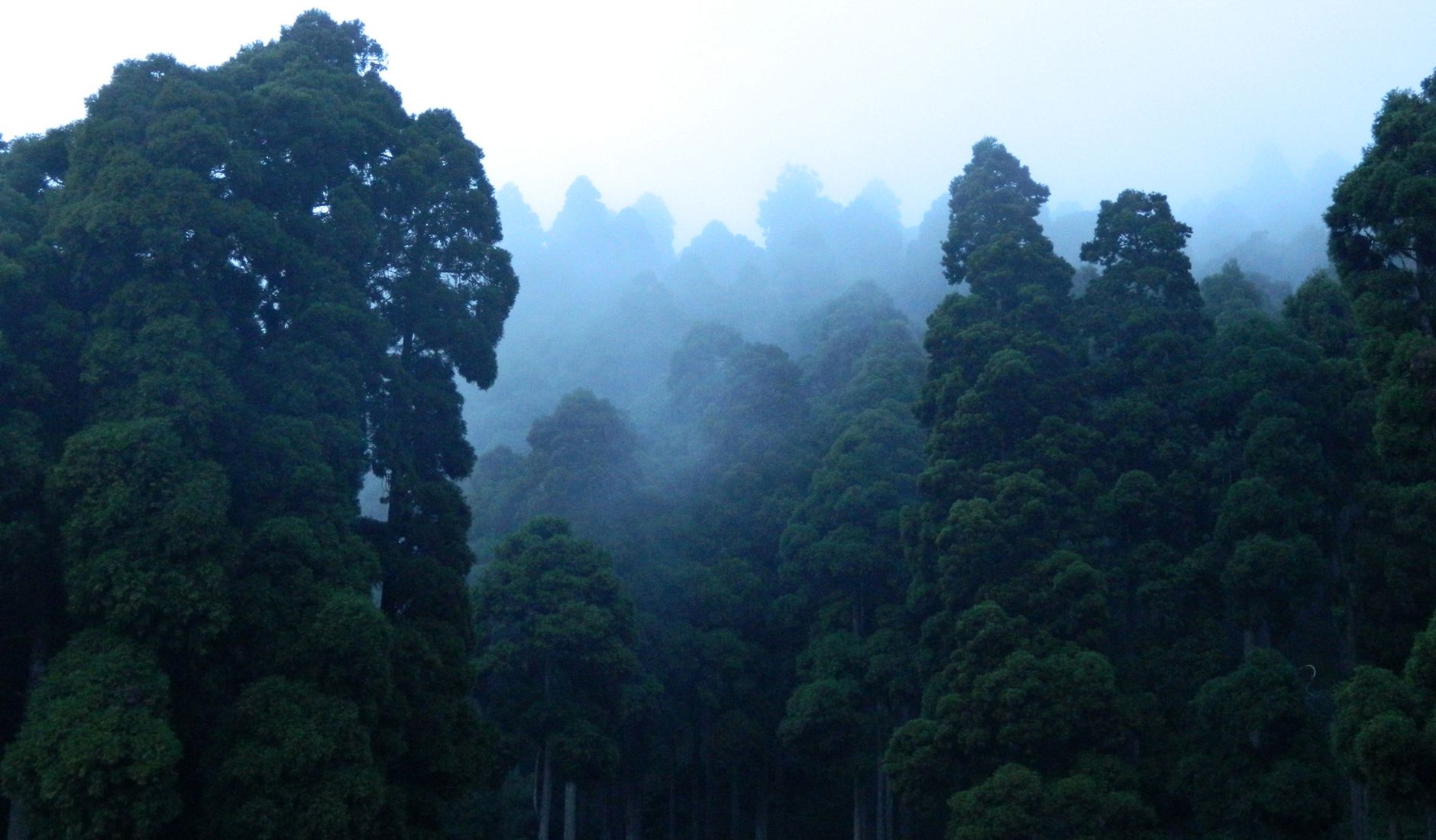
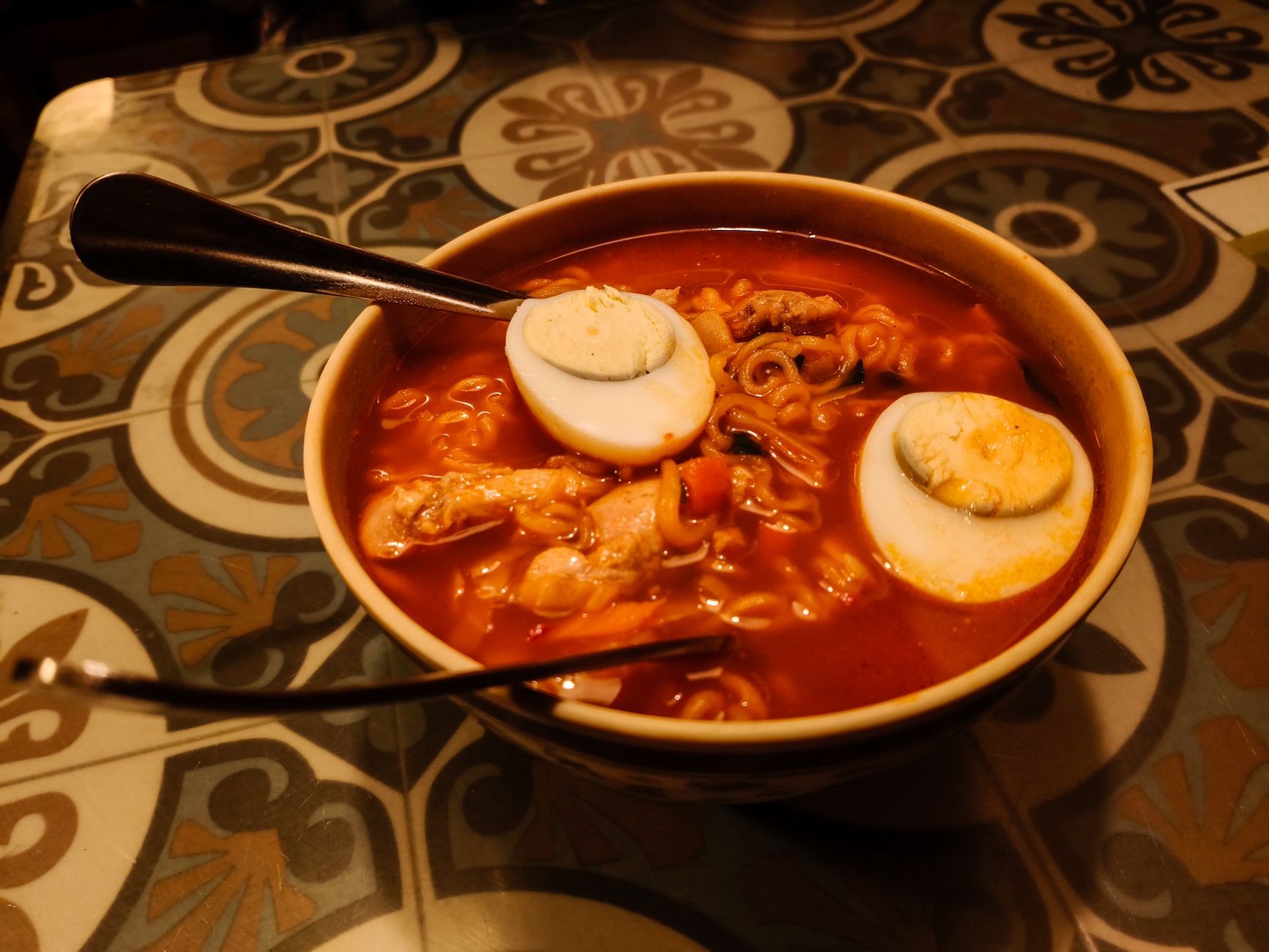

Cold mountain mist rolls over the ridge at two thousand metres, swallowing the Victorian clock tower before peeling back to reveal Kangchenjunga. Built as a British sanatorium in the nineteenth century, Darjeeling climbs vertically along tiered lanes where porters haul timber past tea houses and Tibetan noodle joints. You come for the single-estate Muscatel flushes, the narrow-gauge steam railway, and the daily rhythm of steaming beef momos eaten on windy street corners.
Last updated 2 Sept 2026
Build a Darjeeling itinerary.
Choose up to 4 threads that pull you in. Your plan arrives organised around them.
The Bed
Where to stay in Darjeeling
Which part of town to book, and what each one costs you in walking, noise or quiet.
The Comparison
Darjeeling, or somewhere near it
The places you are realistically choosing between, and the honest case for each.
The Local Record
Where to read more about Darjeeling
The blogs, boards, guides and operators worth bookmarking.
What to do in Darjeeling West Bengal India
Darjeeling fans out along a dramatic ridgeline at 2,000 metres. Daily life revolves around the pedestrianised Chowrasta square, cascading stairways, and high-altitude tea plantations. It suits walkers who appreciate brisk mountain air, Anglo-Indian bakery traditions, Tibetan noodle houses, and slow travel via heritage steam trains. Expect steep climbs, sudden fog, and unhurried mornings.
24 hours in Darjeeling West Bengal India
Start with poached eggs on the open rooftop terrace at Keventer's before walking the ridge to the Himalayan Mountaineering Institute. Ride the two-hour vintage steam train loop to Ghum in the afternoon, then settle into Kunga on Gandhi Road for a steaming bowl of gyathuk and hot momos by seven. Select 1 Day above to see it.
2 days in Darjeeling West Bengal India
Head down into the tea valleys for a morning walking tour of Happy Valley Estate, observing the rolling and drying rooms. Spend the afternoon wandering through the multi-tiered Chowk Bazaar, stopping for mutton shaphaley and a pot of spring-picked tea on the veranda at Glenary's as dusk falls. Choose 2 Days to expand the plan.
3 days in Darjeeling West Bengal India
A third day allows an unhurried morning hike through the pine stands of Senchal Wildlife Sanctuary or a shared jeep ride down to the quieter tea hamlet of Takdah. You have earned time to sit quietly at the Himalayan Tibet Museum and linger over thukpa without watching the train timetable.
Darjeeling West Bengal India itineraries by interest
Tea Culture in Darjeeling West Bengal India
Taste delicate first-flush Muscatel at Happy Valley Tea Estate, where bushes are harvested by hand on steep terraced slopes dating back to 1854.
Historic Railways in Darjeeling West Bengal India
Board the narrow-gauge Darjeeling Himalayan Railway steam joy-ride to Ghum, looping through the Batasia loop engineering marvel built in 1919.
Himalayan Cuisine in Darjeeling West Bengal India
Slurp beef thukpa broth at Kunga and sample steamed pork momos with fiery dalle khursani chili paste along the narrow descent of Gandhi Road.
Mountain Views in Darjeeling West Bengal India
Catch dawn light striking the snowy flanks of Kangchenjunga from Tiger Hill at 4:30 AM, or take a calmer view from the benches along the Mall.
Sacred Architecture in Darjeeling West Bengal India
Spin brass prayer wheels at Mahakal Temple atop Observatory Hill and listen to monks chant inside the wooden halls of Yiga Choeling in Ghum.
Colonial Heritage in Darjeeling West Bengal India
Inspect nineteenth-century Raj architecture along Governor House and sip Darjeeling tea under vintage timber beams inside Glenary’s bakery.
Local Markets in Darjeeling West Bengal India
Weave through the multi-level maze of Chowk Bazaar for rounds of smoked churpi cheese, fresh ginger, winter woollens, and fermented bamboo.
Wildlife Conservation in Darjeeling West Bengal India
Observe breeding pairs of endangered red pandas and snow leopards at the Padmaja Naidu Himalayan Zoological Park along Birch Hill.
Mountaineering History in Darjeeling West Bengal India
Examine gear from early Everest expeditions at the Himalayan Mountaineering Institute museum, founded following Tenzing Norgay's 1953 ascent.
Day Hikes in Darjeeling West Bengal India
Walk the ridge trails toward the rhododendron forests of Senchal Wildlife Sanctuary, carrying warm layers for sudden changes in weather.
Craft Traditions in Darjeeling West Bengal India
Watch Tibetan artisans hand-weave wool rugs and carve wooden altar panels at the self-help centre established on Hill Cart Road in 1959.
Bakeries & Cafes in Darjeeling West Bengal India
Order hot apple pie and ginger tea at Keventer's open terrace while watching morning fog clear from the Kangchenjunga viewpoint.