


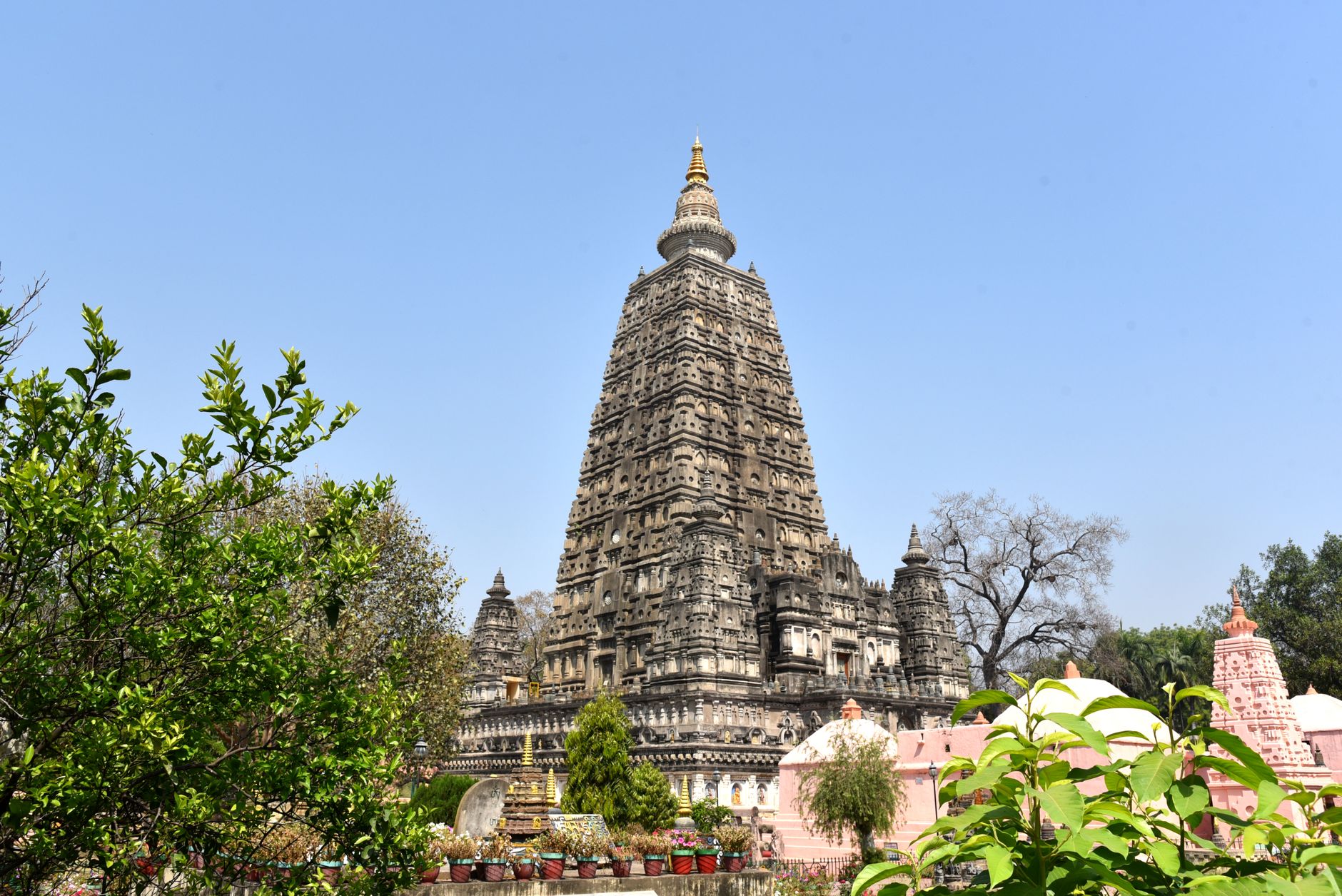


Sitting 100 kilometres south of Patna on the main railway line, Gaya is reached in two to three hours by train. The town is defined by ancient funerary rituals along the Falgu River and the towering eighteenth-century basalt spire of Vishnupad Temple. Gaya is worth visiting if you want to witness living Hindu ancestral rites and explore Bihar's deep Buddhist and Mauryan heritage. Look elsewhere if you want polished resort amenities, quiet pedestrian boulevards, or late-night entertainment.
Last updated 19 Oct 2026
Build a Gaya itinerary.
Choose up to 4 threads that pull you in. Your plan arrives organised around them.
The Bed
Where to stay in Gaya
Which part of town to book, and what each one costs you in walking, noise or quiet.
The Comparison
Gaya, or somewhere near it
The places you are realistically choosing between, and the honest case for each.
The Local Record
Where to read more about Gaya
The blogs, boards, guides and operators worth bookmarking.
What to do in Gaya Bihar India
Gaya is an earthy, fast-moving pilgrimage town split between ancient river ghats and dense trading lanes. The morning rhythm centres on temple priests, brass vessels, and street-level confectioners beating sugar and sesame. It suits travellers who appreciate unvarnished historical realities, early starts, and regional cooking over manicured comfort.
24 hours in Gaya Bihar India
Start early at Vishnupad Temple and the Falgu ghats to see the morning rites, then head to Tekari Road for fresh kachoris and sesame tilkut. In the afternoon, take a 30-minute auto-rickshaw south to Bodh Gaya to spend the evening around the Mahabodhi complex. Select 1 Day above to see it.
2 days in Gaya Bihar India
Spend your second morning climbing the stone steps of Brahmayoni Hill before the midday heat. Afterwards, navigate the spice and grain stalls of Purani Godam, followed by a lunch of wood-roasted litti chokha and an afternoon drive out to the rugged heights of Pretshila. Choose 2 Days to expand the plan.
3 days in Gaya Bihar India
A third day allows an unhurried 40-kilometre drive north to the third-century BCE Barabar Caves to test the acoustic resonance inside the granite chambers of Lomas Rishi, returning via the stonecarving hamlet of Patharkatti for a quiet late-afternoon tea.
Gaya Bihar India itineraries by interest
Sacred Architecture in Gaya Bihar India
Inspect the 30-metre black basalt shikhara and sacred footprint inside Vishnupad Temple, rebuilt by Queen Ahilyabai Holkar in 1787.
Riverside Rites in Gaya Bihar India
Observe early-morning Pind Daan offerings of barley balls and sesame on the dry, sand-bed ghats along the sacred Falgu River.
Traditional Sweets in Gaya Bihar India
Watch confectioners pound roasted sesame and jaggery into paper-thin tilkut and fry rice-flour anarsa along Ramna Road and Tekari Road.
Hill Walks in Gaya Bihar India
Climb the 424 stone steps up Brahmayoni Hill at sunrise for sweeping views across the town basin and the ancient Asthabhuji shrine.
Street Food in Gaya Bihar India
Eat charcoal-roasted litti stuffed with spiced sattu, served alongside mashed aubergine chokha and raw mustard oil at station-side stalls.
Rock Cut Caves in Gaya Bihar India
Take a morning car to the Barabar Caves, third-century BCE Mauryan granite chambers renowned for mirror-polished interiors and echoes.
Buddhist Heritage in Gaya Bihar India
Ride an auto-rickshaw twelve kilometres south to Bodh Gaya to sit beneath the Mahabodhi Temple and the sacred Bodhi tree.
Market Life in Gaya Bihar India
Walk the narrow lanes of Purani Godam where wholesale grain traders, brassware vendors, and incense rollers work shoulder-to-shoulder.
Regional Thalis in Gaya Bihar India
Sit down for vegetarian Bihari lunches featuring yellow dal, seasonal aloo parwal, crisp sattu puris, and cool curd sweetened with jaggery.
Ancient History in Gaya Bihar India
Examine the rugged stone staircases and ancient rock inscriptions at Pretshila Hill, a sacred high-altitude site for shraddha rites.
Stone Craft in Gaya Bihar India
Visit traditional stone-carving workshops in nearby Patharkatti village where artisans chisel black soapstone into temple murtis.
Day Trips in Gaya Bihar India
Hire a taxi eastward to Rajgir for the ancient grid walls and ropeway, continuing to the ruins of fifth-century Nalanda University.