



Pontevedra sits 35 minutes south by car via the PO-307, while Santiago de Compostela is an hour north across the two-kilometre bridge. The island is known across Spain for mussel farming on wooden bateas and the protected marshes of Carreirón. A Illa de Arousa is worth visiting if you want to eat shellfish hauled directly from the bay and walk granite coastal paths. Look elsewhere if you need polished resort amenities, high-energy nightlife, or major indoor museums for rainy days.
Last updated 2 Nov 2026
Build a A Illa de Arousa itinerary.
Choose up to 4 threads that pull you in. Your plan arrives organised around them.
The Bed
Where to stay in A Illa de Arousa
Which part of town to book, and what each one costs you in walking, noise or quiet.
The Comparison
A Illa de Arousa, or somewhere near it
The places you are realistically choosing between, and the honest case for each.
The Local Record
Where to read more about A Illa de Arousa
The blogs, boards, guides and operators worth bookmarking.
What to do in A Illa de Arousa Galicia Spain
Life here follows the tide and the fishing boats returning to Porto do Xufre. The island is compact and mostly flat, shaped by granite boulders, pine woods, and shallow turquoise water. Days move gently between morning walks along quiet coves, long lunches of steamed mussels and crisp Albariño, and sunset drinks by the lighthouse. It suits independent travellers who value fresh seafood and maritime landscapes over formal sightseeing.
24 hours in A Illa de Arousa Galicia Spain
Start early walking the sandy loops of Carreirón before the sun warms the pine needles. By noon, head to Porto do Xufre for a plate of steamed razor clams and octopus. Spend the afternoon swimming at Area da Secada, then catch the sunset with a cold beer at Punta Cabalo lighthouse. The entire island is only seven kilometres long, so nothing is ever far. Select 1 Day above to see it.
2 days in A Illa de Arousa Galicia Spain
Day two lets you rent a kayak at Praia do Bao to drift among the bateas, or cycle the western shoreline. Hike up to Mirador O Con do Forno for panoramic views of the ría. For dinner, seek out a tavern in the old town streets around O Campo for cornbread empanada filled with local cockles and a glass of chilled white wine. Choose 2 Days to expand the plan.
3 days in A Illa de Arousa Galicia Spain
With three days, take a short drive across the bridge to explore Cambados and its historic granite plazas, or visit a boutique Albariño vineyard in the Salnés valley. Back on the island, spend an unhurried morning watching mariscadoras harvest clams at low tide before lingering over a late lunch of grilled turbot.
A Illa de Arousa Galicia Spain itineraries by interest
Local Seafood in A Illa de Arousa Galicia Spain
Eat steamed mejillones de Galicia, grilled navajas, and pulpo á feira drizzled with paprika at the informal harbour taverns along Porto do Xufre.
Coastal Walks in A Illa de Arousa Galicia Spain
Follow the flat dirt path around Punta Cabalo lighthouse or loop the sandy coves and pine groves of Parque Natural de Carreirón in two easy hours.
Wine & Vineyards in A Illa de Arousa Galicia Spain
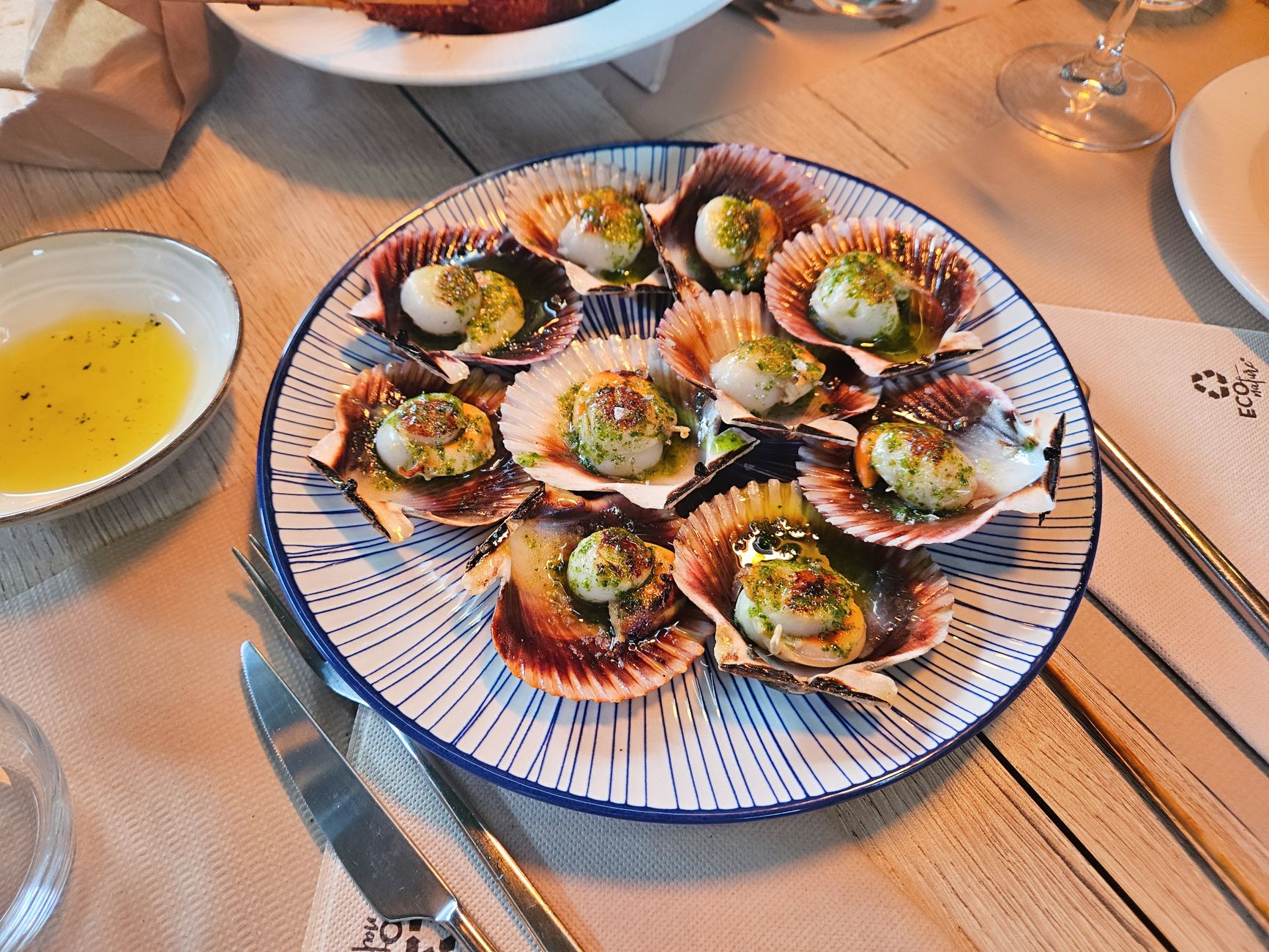
Pair crisp Albariño from nearby Val do Salnés bodegas with briny clams and zamburiñas served in unpretentious, paper-tablecloth marisquerías.
Maritime Heritage in A Illa de Arousa Galicia Spain
Inspect traditional dornas at the docks and learn how wooden mussel rafts, or bateas, have anchored the local economy since the mid-twentieth century.
Pristine Beaches in A Illa de Arousa Galicia Spain
Spread a towel at Praia de Area da Secada for clear water, or find secluded granite coves like Praia de Espiñeiro tucked inside the nature reserve.
Birdwatching in A Illa de Arousa Galicia Spain
Bring binoculars to the Carreirón intertidal mudflats to spot grey herons, spoonbills, and migratory waders resting along the Atlantic flyway.
Harbor Life in A Illa de Arousa Galicia Spain
Watch the morning fish auction at Porto do Xufre as crews unload crates of hake, sardines, and spider crabs beneath the screech of seagulls.
Kayaking & Boating in A Illa de Arousa Galicia Spain
Rent a sea kayak from Praia do Bao to paddle between granite islets and glide under the shadows of floating mussel rafts anchored in the bay.
Viewpoints in A Illa de Arousa Galicia Spain
Climb the granite boulders up to Mirador O Con do Forno to survey the entire Ría de Arousa, the bridge, and the distant Barbanza peninsula.
Regional Cooking in A Illa de Arousa Galicia Spain
Taste empada de berberechos made with cornmeal dough, alongside pimientos de Padrón blistered in smoking olive oil with coarse Atlantic salt.
Cycling in A Illa de Arousa Galicia Spain
Rent a city bike near the bridge to cruise the paved flat greenway tracing the western shoreline all the way north to Punta Cabalo.
Shellfishing Culture in A Illa de Arousa Galicia Spain
Observe mariscadoras in rubber boots working the intertidal flats at low tide, raking the sand by hand for prized clams and cockles.