



Kannur sits along northern Kerala's Malabar coast, ninety minutes north of Kozhikode by train and twenty kilometres from its own international airport at Mattannur. The town is defined by centuries of maritime trade, handloom textile workshops, and overnight Theyyam rituals in village shrines. Kannur is worth visiting if you want to experience ritual shrine performances and eat Malabar fish curry where the catch lands. Look elsewhere if you need resort nightlife, walkable western-style promenades, or curated beach clubs.
Last updated 6 Nov 2026
Build a Kannur itinerary.
Choose up to 4 threads that pull you in. Your plan arrives organised around them.
The Bed
Where to stay in Kannur
Which part of town to book, and what each one costs you in walking, noise or quiet.
The Comparison
Kannur, or somewhere near it
The places you are realistically choosing between, and the honest case for each.
The Local Record
Where to read more about Kannur
The blogs, boards, guides and operators worth bookmarking.
What to do in Kannur Kerala India
Days in Kannur revolve around the rhythms of the fishing fleet, temple schedules, and the heat of the afternoon. Mornings belong to the fish landings at Ayikkara harbour and the shaded ramparts of St. Angelo Fort. Evenings bring crowds to the sands of Payyambalam Beach or village shrines for Theyyam. It suits self-directed travellers who value working towns, intense regional cooking, and uncommercialised coastal traditions over resort pampering.
24 hours in Kannur Kerala India
Start at St. Angelo Fort as gates open at eight, watching the fishermen bring sardine boats into Mopla Bay. Eat a mid-day meal of clay-pot fish curry and parottas near the railway station, browse the weavers at Kanhirode, and spend the late afternoon driving the hard sands of Muzhappilangad Beach before an evening Theyyam performance. Select 1 Day above to see it.
2 days in Kannur Kerala India
A second day lets you travel twenty minutes south to Thalassery. Wander the quiet ramparts of Tellicherry Fort, inspect the nineteenth-century spice warehouses along the old port road, and stop at Mambally's for bakery sweets before ordering a pot of mutton biryani cooked with fragrant kaima rice for lunch. Choose 2 Days to expand the plan.
3 days in Kannur Kerala India
Three days allow for an early morning Kalari training session at a traditional pit gymnasium, followed by a slow boat trip along the mangrove forests of the Valapattanam River. You also have the breathing room to track down a rural shrine festival deep in the palm groves of northern Malabar without watching the clock.
Kannur Kerala India itineraries by interest
Sacred Rituals in Kannur Kerala India
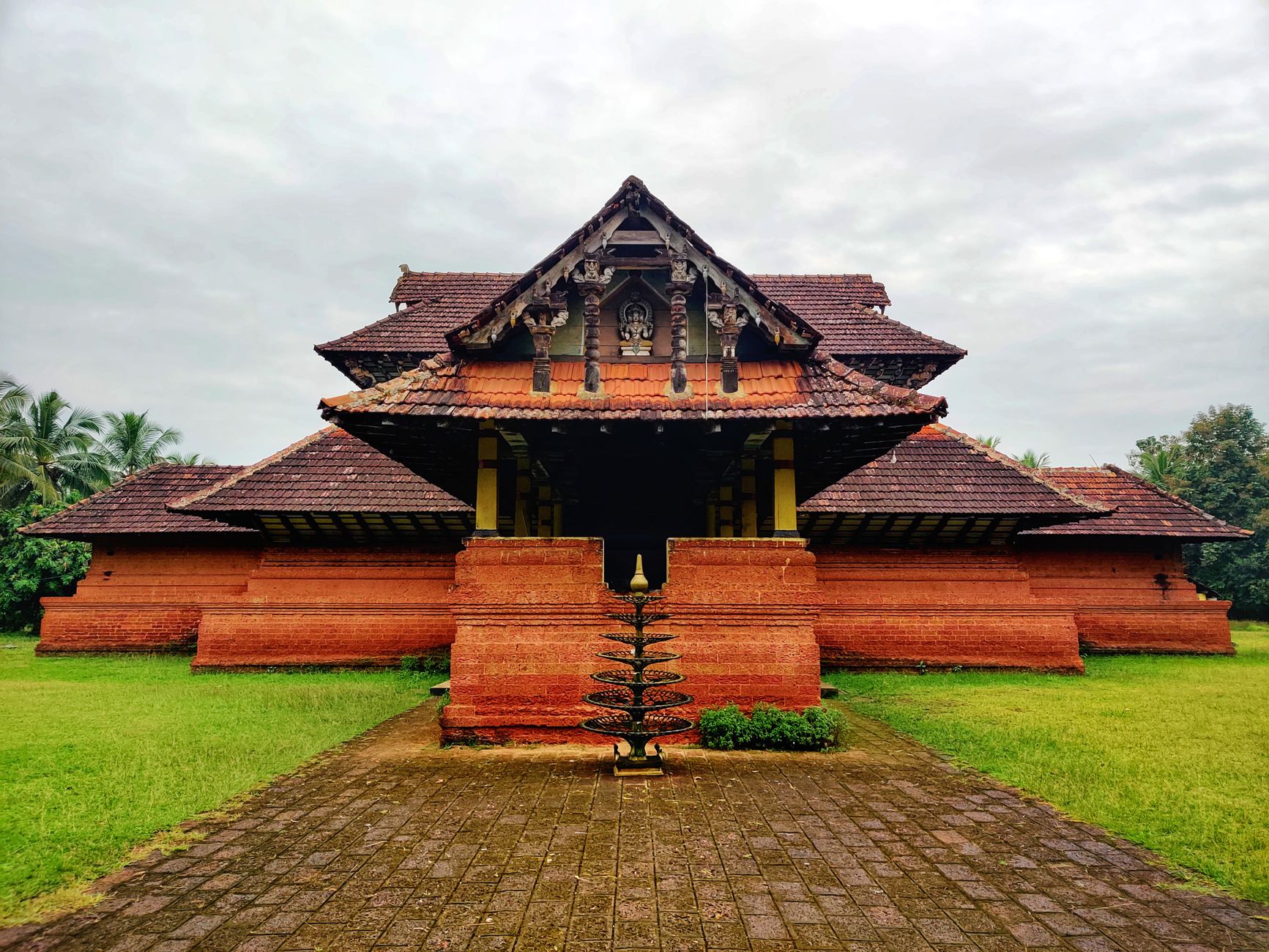
Overnight Theyyam ceremonies at local kavus with drumming, elaborate headdresses, and fire walking from October to May.
Local Seafood in Kannur Kerala India
Fresh seer fish, mussels roasted with spiced rice flour (kallummakkaya nirachathu), and fiery coconut fish curries at harbour shacks.
Forts & History in Kannur Kerala India
St. Angelo Fort built by the Portuguese in 1505, overlooking Mopla Bay and old Dutch and British stone ramparts.
Craft Traditions in Kannur Kerala India
Handloom weaving cooperatives in Cannanore spinning heavy cotton fabric on wooden frame looms since the nineteenth century.
Coastal Walks in Kannur Kerala India
Payyambalam Beach and the cliff walks near Baby Beach for uninterrupted sunsets over the Arabian Sea surf.
Market Life in Kannur Kerala India
Central Market stalls stacked with dried Malabar tamarind, raw cashews, local pepper, and mounds of fresh mackerel.
Street Food in Kannur Kerala India
Evening carts serving crispy pazham pori (banana fritters), spicy mutta baji, and cardamom-scented Malabar dum chai.
Regional Cuisine in Kannur Kerala India
Thalassery biryani prepared with small-grain kaima rice, fried onions, native ghee, and tender mutton in local mess halls.
Beaches in Kannur Kerala India
Muzhappilangad drive-in beach, stretching four kilometres of firm sand where cars and walkers share the shoreline.
Folk Arts in Kannur Kerala India
Kalaripayattu martial arts training at traditional kalari pit arenas, practiced at dawn with wooden staffs and blades.
Day Trips in Kannur Kerala India
Coastal trains south to Thalassery for French-colonial Tellicherry pepper warehouses and waterfront bakeries.
Mangroves & Estuaries in Kannur Kerala India
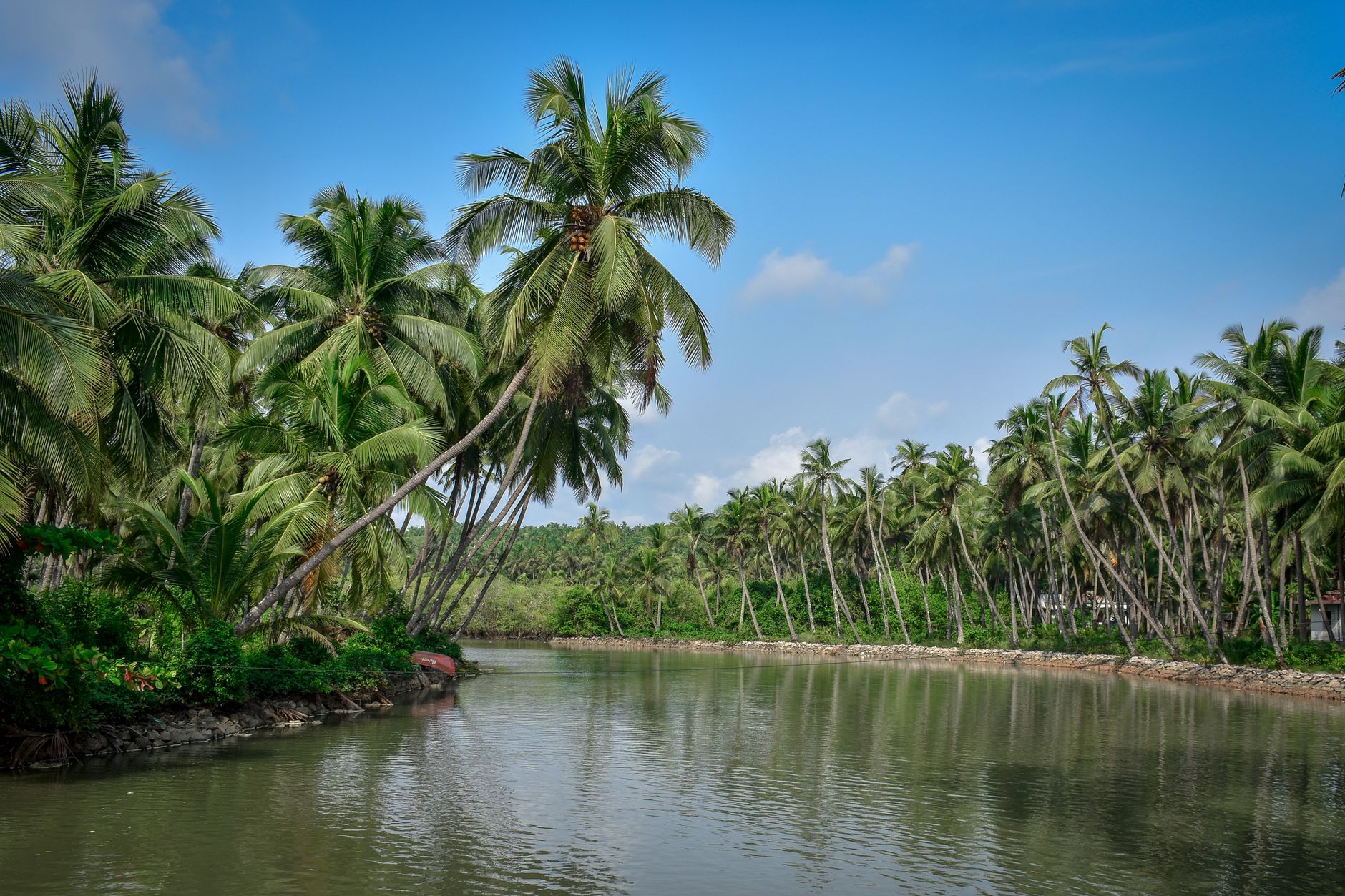
Kayaking through the brackish backwaters and mangrove channels of the Valapattanam River near Parassinikkadavu.