



Kannur sits on the Malabar Coast, thirty kilometres north of its international airport and ninety minutes by train from Kozhikode. It is defined by centuries-old Theyyam rituals performed at village shrines, handloom weaving cooperatives, and distinct Mappila cooking. Kannur is worth visiting if you want to stand inside village kavus during all-night spirit-worship ceremonies and eat green-mussel roasts over fresh parottas. Look elsewhere if you expect late-night bars, resort nightlife, or easily walkable pavements between sights.
Last updated 30 Oct 2026
Build a Kannur itinerary.
Choose up to 4 threads that pull you in. Your plan arrives organised around them.
The Bed
Where to stay in Kannur
Which part of town to book, and what each one costs you in walking, noise or quiet.
The Comparison
Kannur, or somewhere near it
The places you are realistically choosing between, and the honest case for each.
The Local Record
Where to read more about Kannur
The blogs, boards, guides and operators worth bookmarking.
What to do in Kannur Kerala India
Kannur sprawls along coastal headlands, oriented toward its harbour, weaving quarters, and temple groves rather than standard tourism. Days revolve around early temple visits, tracking seasonal Theyyam schedules in the local Malayalam papers, and midday meals in unpretentious town mess halls. It suits independent travellers comfortable with auto-rickshaw hops, rural shrines, and the slow rhythm of the Malabar Coast.
24 hours in Kannur Kerala India
Start by eight in the morning at St. Angelo Fort before the stone heats up. Head into town for a lunch of aykoora fish fry and flaky parottas at Ondens, spend the afternoon browsing handlooms at Kanhirode, and catch sunset at Payyambalam Beach before finding an evening Theyyam performance in an outlying village. Select 1 Day above to see it.
2 days in Kannur Kerala India
Day two belongs to the Arakkal royal quarter and the drive down to Muzhappilangad Beach. Follow the coast south for a lunch of Thalassery biryani layered with pickled onions and date chutney, then watch outrigger boats unload their evening catch at Dharmadam estuary as the heat breaks. Choose 2 Days to expand the plan.
3 days in Kannur Kerala India
A third day lets you hire a small country boat through the Kavvayi backwaters or explore the spice warehouses of Thalassery. Spend an unhurried morning watching Kalaripayattu practice at a traditional red-clay kalari, followed by black tea and banana fritters at a roadside stall.
Kannur Kerala India itineraries by interest
Ritual Arts in Kannur Kerala India
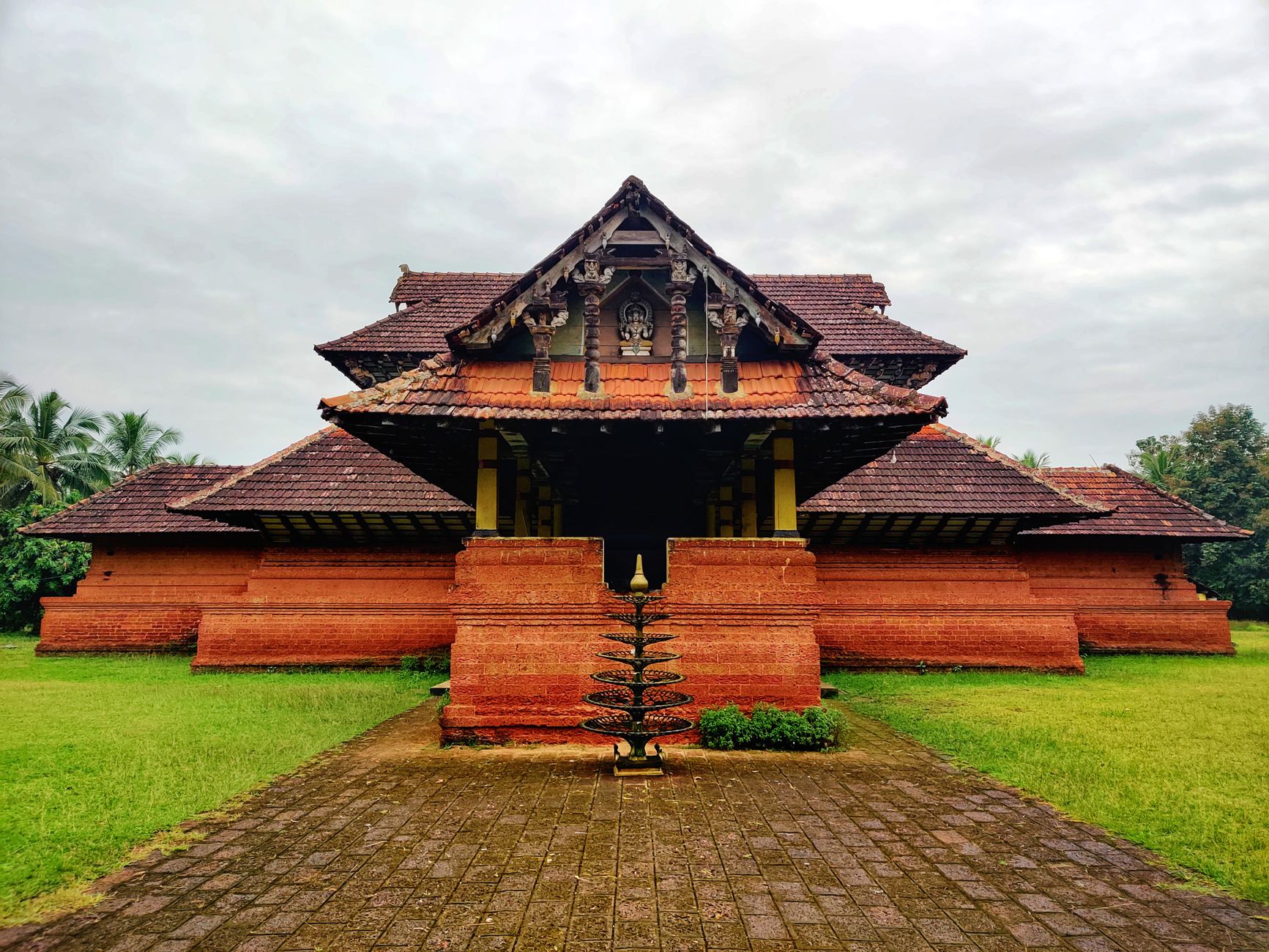
Watch midnight Theyyam dances at family kavu shrines across Kolathunadu, where performers in towering headgear channel ancestral spirits and deities.
Local Seafood in Kannur Kerala India
Order kallummakkaya fry (spiced green mussels), seer fish tava roast, and crab curry cooked with fresh coconut paste at simple coastal mess halls.
Regional Cooking in Kannur Kerala India
Taste Mappila culinary heritage through mutton Thalassery biryani made with fragrant kaima rice, pathiri rice flatbreads, and sweet unnakkaya.
Maritime History in Kannur Kerala India
Walk the laterite ramparts of sixteenth-century St. Angelo Fort built by the Portuguese and contested by the Dutch, overlooking the Mopla Bay harbour.
Craft Traditions in Kannur Kerala India
Visit working handloom cooperatives to observe weavers producing heavy Malabar cotton towels, shirting, and furnishings on wooden pit looms.
Beaches in Kannur Kerala India
Drive along the hard-packed sands of Muzhappilangad Beach or watch traditional wooden fishing boats haul nets onto the quiet shores of Payyambalam.
Markets & Produce in Kannur Kerala India
Browse the morning stalls near the central railway station for dried Malabar spices, black pepper, Tellicherry cloves, and ripe Nendran plantains.
Traditional Martial Arts in Kannur Kerala India
Observe dawn training sessions at local Kalaris, where students practice Kalaripayattu strikes, footwork, and weapons forms in red-earth pits.
Coastal Walks in Kannur Kerala India
Trace the cliffside paths around Baby Beach and the Kannur lighthouse for clear views of the Arabian Sea and returning outrigger fishing craft.
Folk Heritage in Kannur Kerala India
Explore Arakkal Palace Museum, the sole Muslim royal dynasty in Kerala, displaying maritime trade artifacts, brass compasses, and royal decrees.
Inland Waterways in Kannur Kerala India
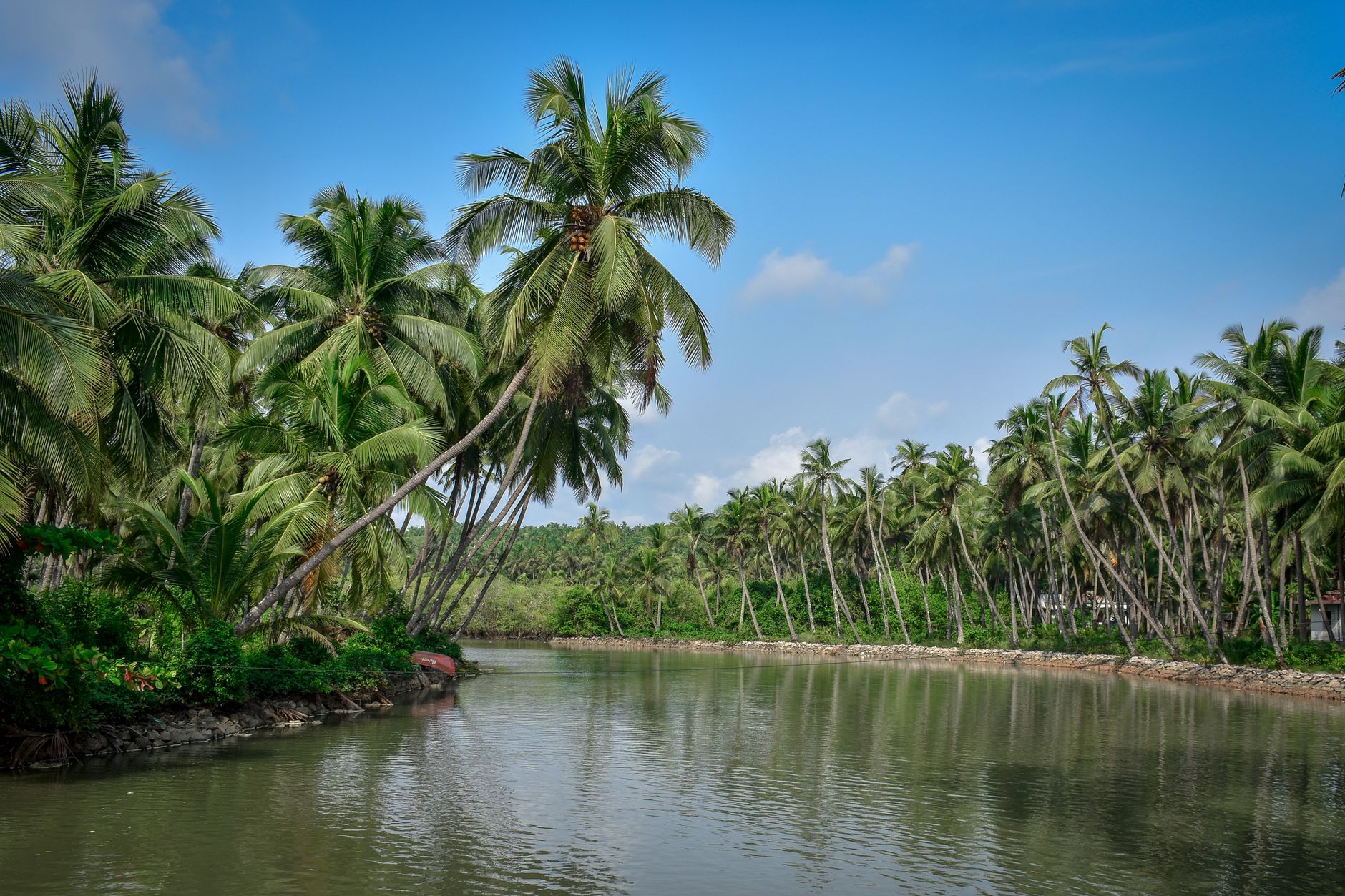
Kayak or board wooden country boats along the quiet mangrove creeks and backwaters of the Valapattanam River and Kavvayi Island estuary.
Day Trips in Kannur Kerala India
Head south to Thalassery for English East India Company history, pier walks, coastal bakeries, and circus legacy across the Anjarakkandy River.