

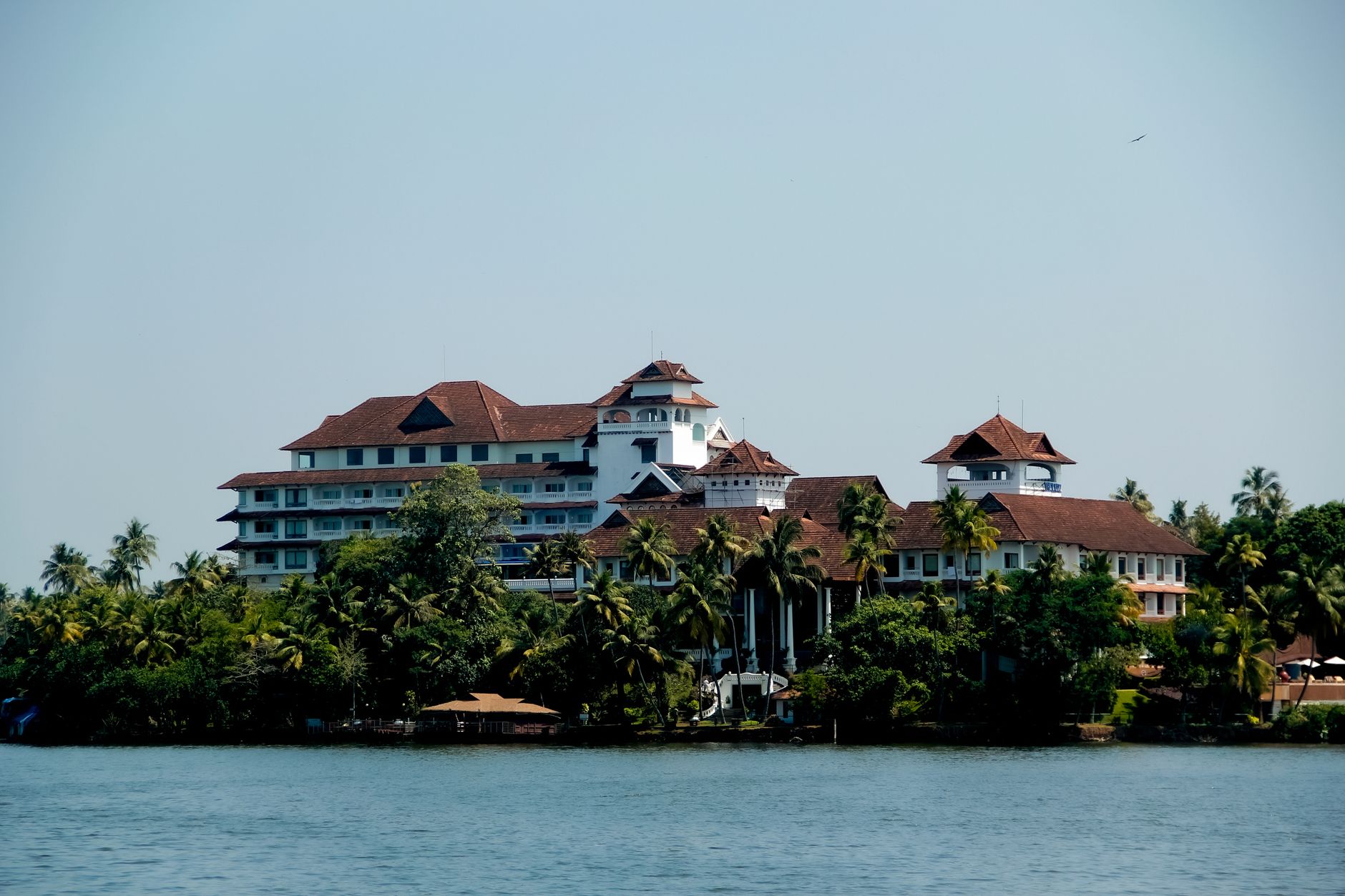
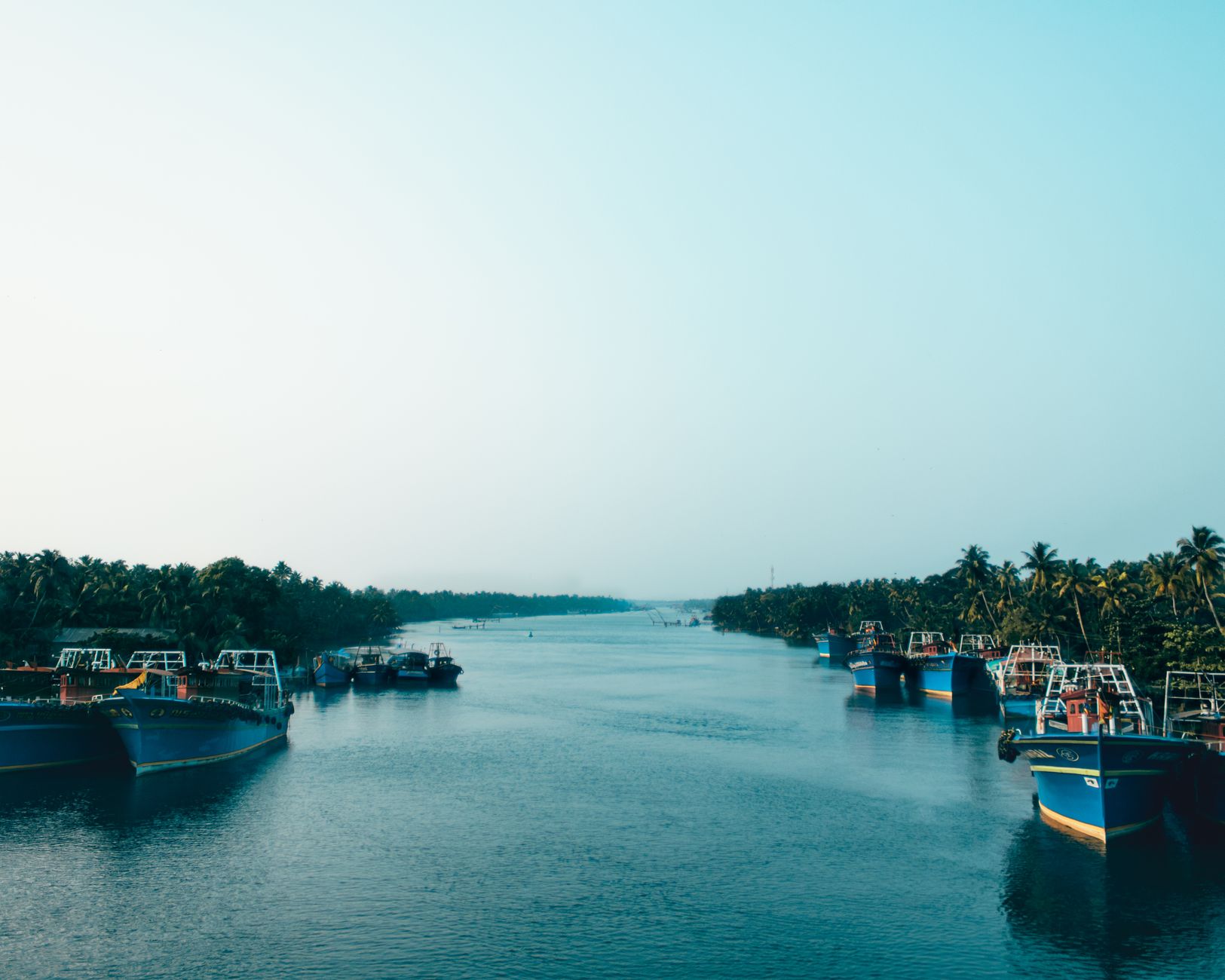
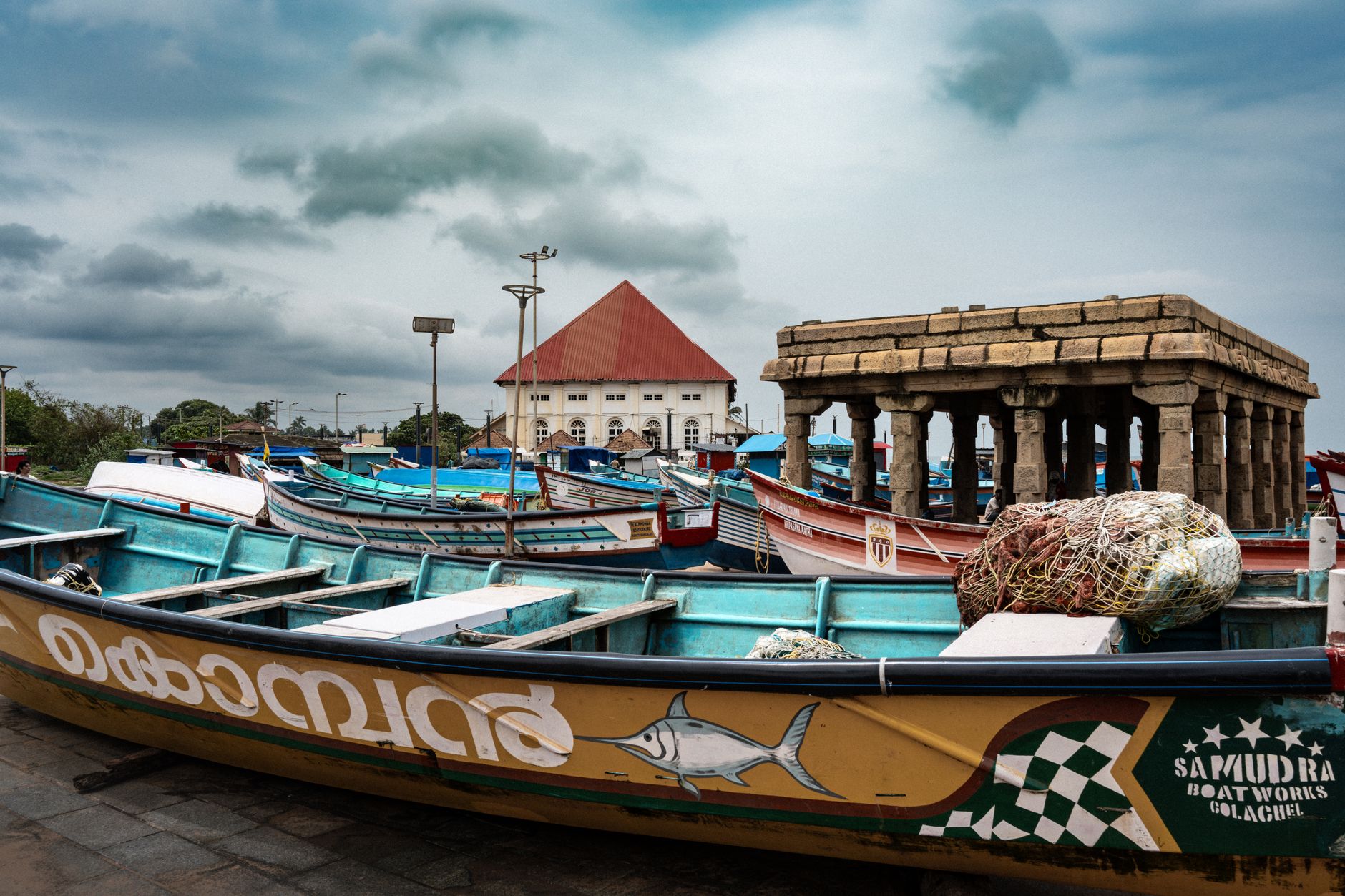
Kollam sits seventy kilometres north of Thiruvananthapuram, reached in ninety minutes by coastal train. The old port earned its keep trading pepper and cashews, anchored along the broad waters of Ashtamudi Lake. Kollam is worth visiting if you want quiet backwater canals without houseboat traffic and fresh karimeen fried at water's edge. Look elsewhere if you want late-night bars, walkable resort boulevards, or manicured swimming beaches.
Last updated 29 Oct 2026
Build a Kollam itinerary.
Choose up to 4 threads that pull you in. Your plan arrives organised around them.
The Bed
Where to stay in Kollam
Which part of town to book, and what each one costs you in walking, noise or quiet.
The Comparison
Kollam, or somewhere near it
The places you are realistically choosing between, and the honest case for each.
The Local Record
Where to read more about Kollam
The blogs, boards, guides and operators worth bookmarking.
What to do in Kollam Kerala India
Kollam unfurls between the Arabian Sea and the labyrinthine waterways of Ashtamudi Lake. Daily life revolves around the water, from the dawn auction bells at Neendakara port to the low-thrumming commuter ferries crossing the shallows. It suits self-directed travellers who favour working towns, salt-crusted docks, and fiery fish curries over tourist comforts, rewarding those willing to navigate local bus routes and humid afternoon heat.
24 hours in Kollam Kerala India
Start early at Neendakara Harbour to watch trawlers unload, then head into town for parotta and beef fry near the Clock Tower. Board the mid-morning public ferry across Ashtamudi Lake from the main jetty, and finish before sunset climbing Thangassery Lighthouse for sea views, followed by pepper crab at a lakeside shack. Select 1 Day above to see it.
2 days in Kollam Kerala India
Spend day two taking a morning local train twenty minutes north to Munroe Island. Drift on a punted canoe through low palm-fringed canals, then eat kappa and spicy fish curry at a village home. Return late afternoon to browse the wholesale cashew merchants in Chamakada and walk Kollam Beach at dusk. Choose 2 Days to expand the plan.
3 days in Kollam Kerala India
A third day allows an inland trip to the granite ridges of Chadayamangalam or a slow exploration of Chavara's mineral coast. Alternatively, take the full eight-hour government backwater cruise north toward Alappuzha, observing coir yards, water lilies, and shorebird life without rushing.
Kollam Kerala India itineraries by interest
Backwater Cruising in Kollam Kerala India
Board government ferries from the DTPC jetty across Ashtamudi Lake to Guhanandapuram, avoiding private houseboat premiums.
Local Seafood in Kollam Kerala India
Order fiery chemmeen roast and pearl spot karimeen pollichathu wrapped in banana leaves at unpretentious toddy shops near the water.
Harbour Life in Kollam Kerala India
Watch the morning catch arrive at Neendakara Fishing Harbour as trawlers unload sardines, prawns, and cuttlefish onto wet concrete.
Colonial History in Kollam Kerala India
Climb the 1902 British lighthouse at Thangassery and inspect crumbling Portuguese fort walls along the rocky coastal shoreline.
Island Villages in Kollam Kerala India
Hire a small wooden canoe through the shallow mangrove channels of Munroe Island, watching coir-spinning and fish trapping.
Markets & Produce in Kollam Kerala India
Walk the central market along Chamakada to see sacks of raw and roasted cashews, hill pepper, dried fish, and freshly grated coconut.
Street Food in Kollam Kerala India
Queue at Clock Tower tea stalls for flaky parottas, beef fry, hot banana fritters, and glasses of strong, froth-pulled milk tea.
Sacred Architecture in Kollam Kerala India
Visit the carved woodwork at Anandavalleswaram Temple and the historic 14th-century Machilipatnam-style mosque at Jonakappuram.
Craft Traditions in Kollam Kerala India
Observe women twisting coconut husk fibers into heavy coir rope along the saline canal banks of Perumon and village workshops.
Coastal Walks in Kollam Kerala India
Walk the breakwater at Kollam Beach toward Mahatma Gandhi Park before sundown as sea winds cool the humid evening.
Day Trips in Kollam Kerala India
Head inland by bus to the massive rock-sculpture park at Jatayu Earth's Center, set among steep granite peaks in Chadayamangalam.
Traditional Boatbuilding in Kollam Kerala India
Seek out small boatyards near Thevally where carpenters still caulk wooden vallam hulls with natural plant resin and coir stitch.