

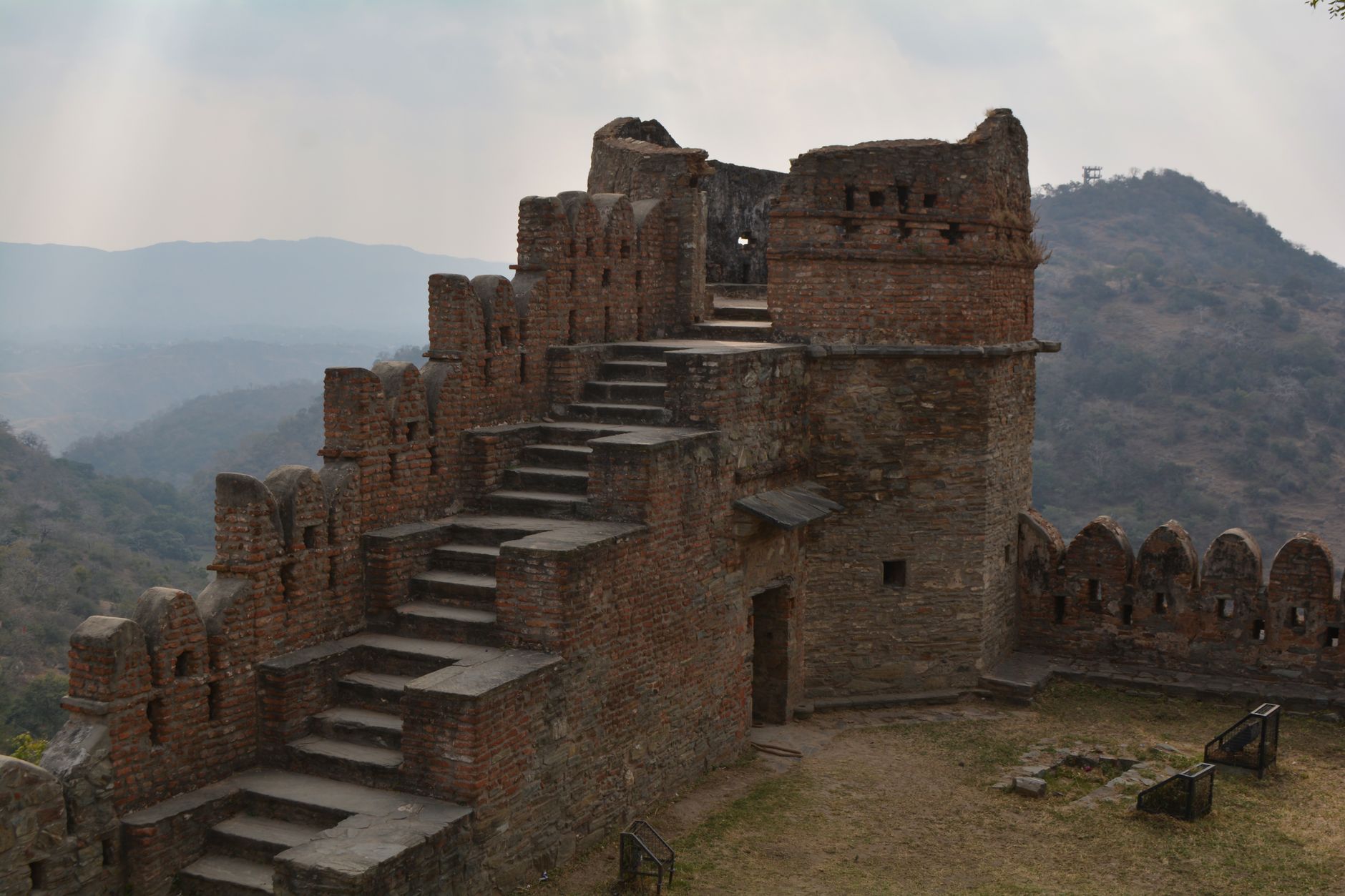
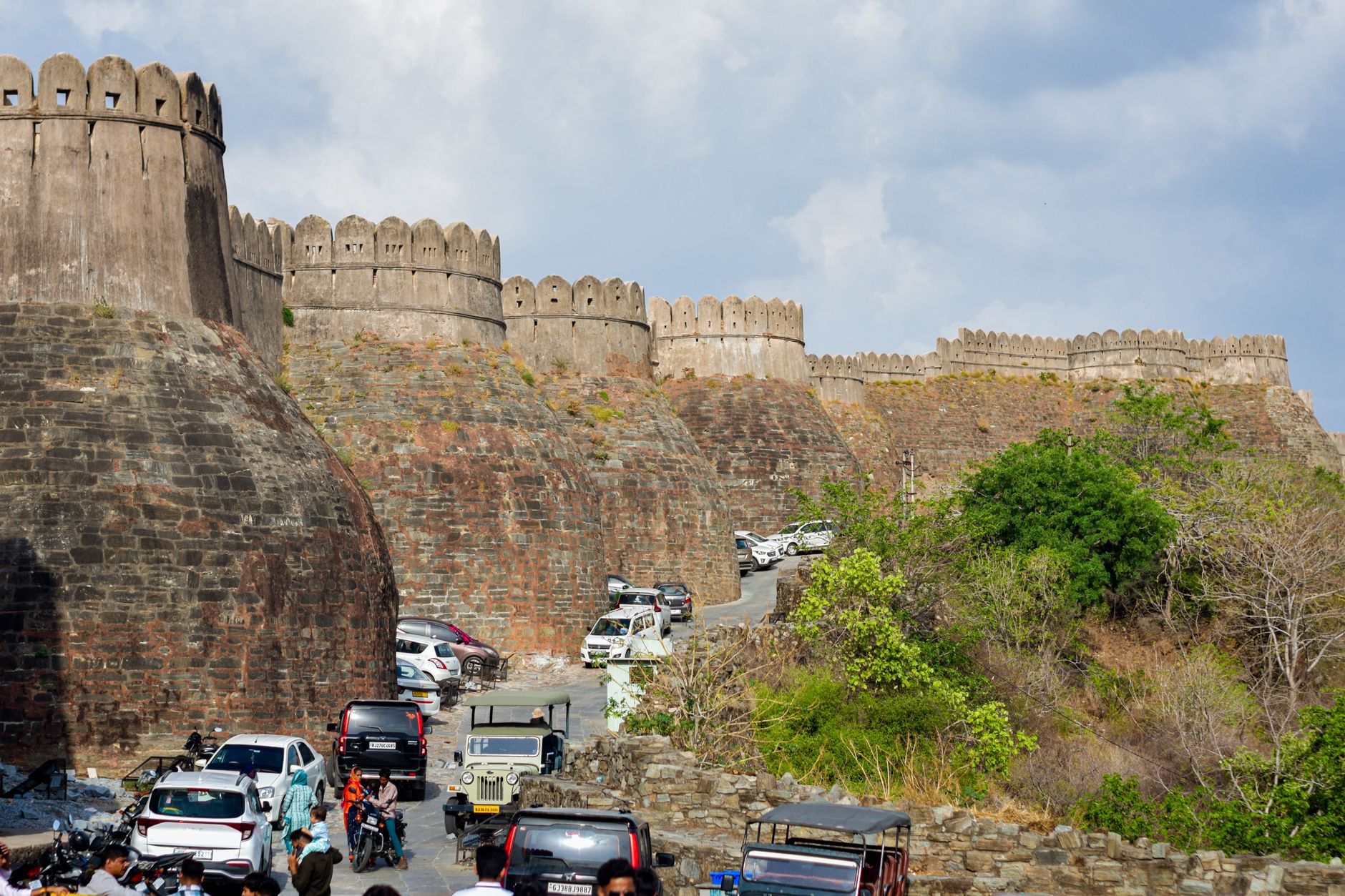
Kumbhalgarh sits eighty-five kilometres north of Udaipur, roughly a two-hour drive along winding hill roads into the rugged Aravalli Range. It is known for Rana Kumbha's massive fifteenth-century citadel, ringed by thirty-six kilometres of stone ramparts and over three hundred ancient Jain and Hindu temples. Kumbhalgarh is worth visiting if you want to walk monumental defensive architecture along high mountain ridges and eat roadside Mewari dal baati. Look elsewhere if you expect late-night dining, dense walkable street life, or quick rail connections.
Last updated 3 Nov 2026
Build a Kumbhalgarh itinerary.
Choose up to 4 threads that pull you in. Your plan arrives organised around them.
The Bed
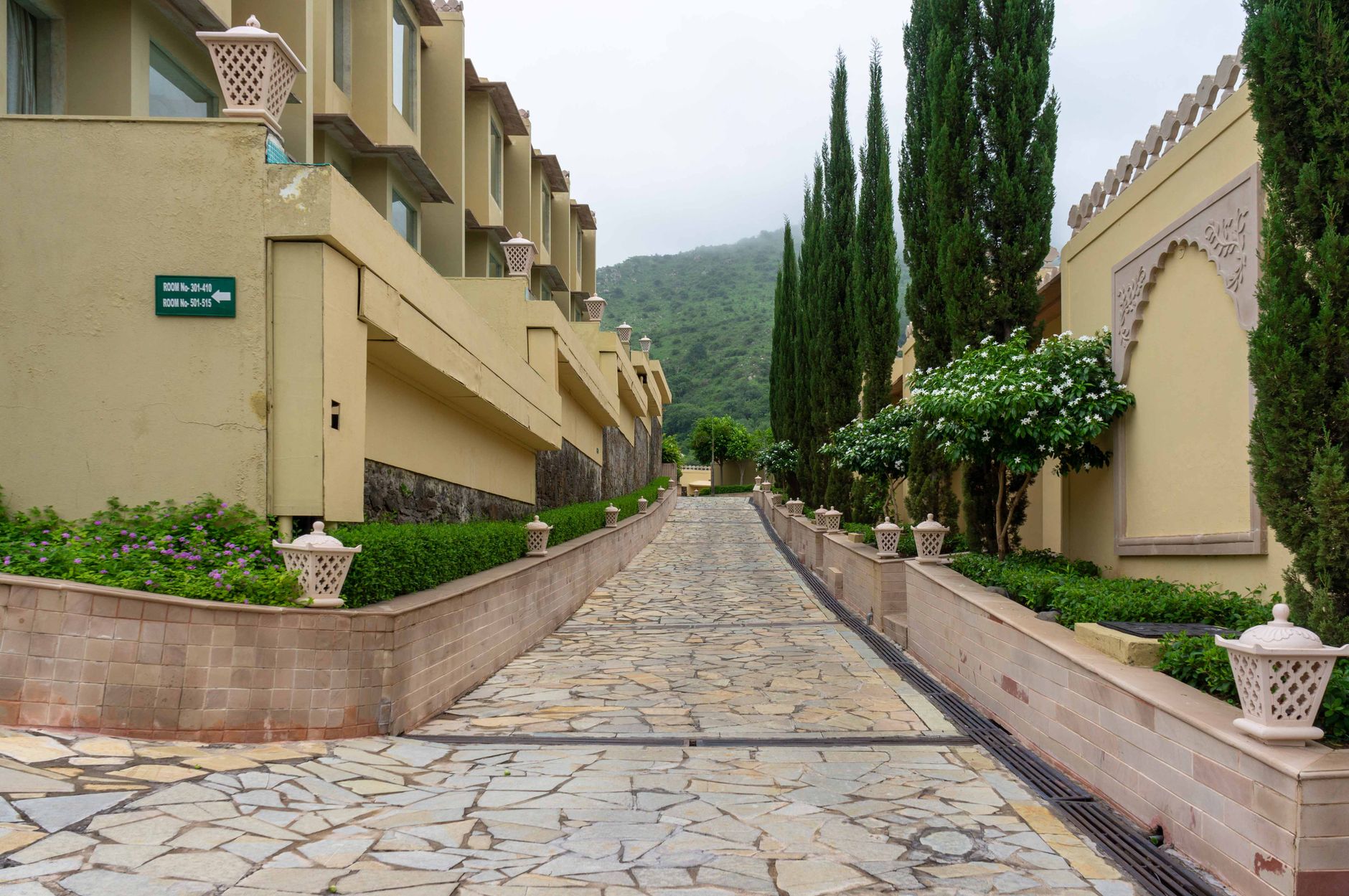
Where to stay in Kumbhalgarh
Which part of town to book, and what each one costs you in walking, noise or quiet.
The Comparison
Kumbhalgarh, or somewhere near it
The places you are realistically choosing between, and the honest case for each.
The Local Record
Where to read more about Kumbhalgarh
The blogs, boards, guides and operators worth bookmarking.
What to do in Kumbhalgarh Rajasthan India
Life in Kumbhalgarh revolves around Rana Kumbha's massive 15th-century fortress, set across the craggy peaks of the Aravalli hills. Days are dictated by the sun: early mornings walking stone battlements before the heat sets in, afternoons exploring ancient temples inside the walls or driving into the wildlife reserve, and evenings tasting Mewari curries. It suits travellers who appreciate defensive history, quiet rural landscapes, and mountain air.
24 hours in Kumbhalgarh Rajasthan India
Pass through Hanuman Pol by 8:30 to climb up to Badal Mahal before mid-day heat. After touring the intricate Neelkanth Mahadev Temple, take lunch at a village dhaba in Kelwara over dal baati churma, then return at dusk to see the ramparts illuminated. Select 1 Day above to see it.
2 days in Kumbhalgarh Rajasthan India
A second day lets you hire an early jeep into the Kumbhalgarh Wildlife Sanctuary to look for leopards and wolves, followed by a slow afternoon exploring the outlying Vedi Temple complex and having a dinner of slow-simmered laal maas and hot millet rotis. Choose 2 Days to expand the plan.
3 days in Kumbhalgarh Rajasthan India
With three days, take the four-hour guided walking trek down the western slopes of the Aravallis to Ranakpur, marvelling at its 15th-century carved marble Jain temple before returning for an evening by the fire listening to Mewari folk ballads.
Kumbhalgarh Rajasthan India itineraries by interest
Defensive Architecture in Kumbhalgarh Rajasthan India
Trace the 36-kilometre outer wall, seven fortified gates like Ram Pol and Hanuman Pol, and Badal Mahal perched at the fort's highest crest.
Sacred Architecture in Kumbhalgarh Rajasthan India
Explore the 15th-century Neelkanth Mahadev Temple with its monolithic lingam, plus clusters of intricately carved Svetambara Jain shrines.
Regional Cooking in Kumbhalgarh Rajasthan India
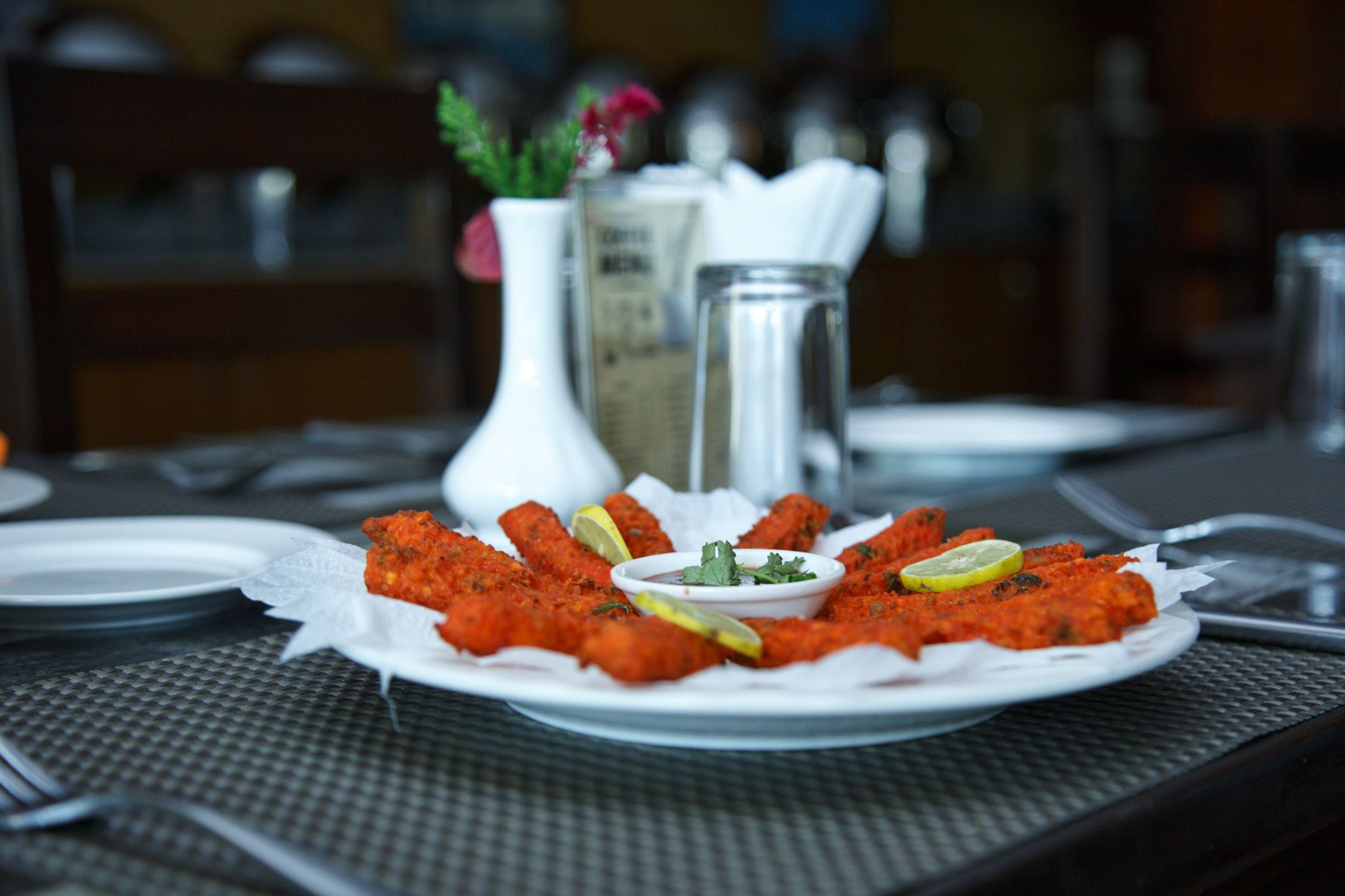
Eat charcoal-baked baati dipped in ghee with spicy panchmel dal, alongside fiery Mewari laal maas and fresh bajra rotis at roadside dhabas.
Wildlife & Nature in Kumbhalgarh Rajasthan India
Scan the scrub forests of Kumbhalgarh Wildlife Sanctuary for Indian leopards, striped hyenas, chausingha antelopes, and grey junglefowl.
Hiking & Trails in Kumbhalgarh Rajasthan India
Trek the forested ridgeline route from Kumbhalgarh down through Thandi Beri to the marble Jain temples of Ranakpur in roughly four hours.
Day Trips in Kumbhalgarh Rajasthan India
Drive fifty kilometres west to Ranakpur to study the 1,444 uniquely carved marble pillars of the 15th-century Chaumukha Jain temple.
Village Life in Kumbhalgarh Rajasthan India
Wander nearby hamlets like Kelwara to watch leather artisans stitch mojari shoes and potters work clay on traditional manual flywheels.
Horse Riding in Kumbhalgarh Rajasthan India
Ride indigenous Marwari horses with their distinctive curved ears across the rocky trails and dry riverbeds of the Aravalli foothills.
Scenic Viewpoints in Kumbhalgarh Rajasthan India
Climb up to the rooftop terrace of Badal Mahal at sunset for panoramic sweeps across the western desert fringes and deep mountain ravines.
Night Exploration in Kumbhalgarh Rajasthan India
Watch the nightly illumination of the citadel ramparts from the lower parade grounds, followed by the Hindi sound-and-light history show.
Local Markets in Kumbhalgarh Rajasthan India
Browse the small stalls in Kelwara village for handwoven durrie rugs, local raw honey, sesame tilpatti sweets, and silver tribal jewellery.
Campfire Traditions in Kumbhalgarh Rajasthan India
Spend chilly hill evenings by a dhuni fire tasting slow-cooked gatte ki sabzi and listening to local Manganiyar and Langa folk musicians.