Kurseong.


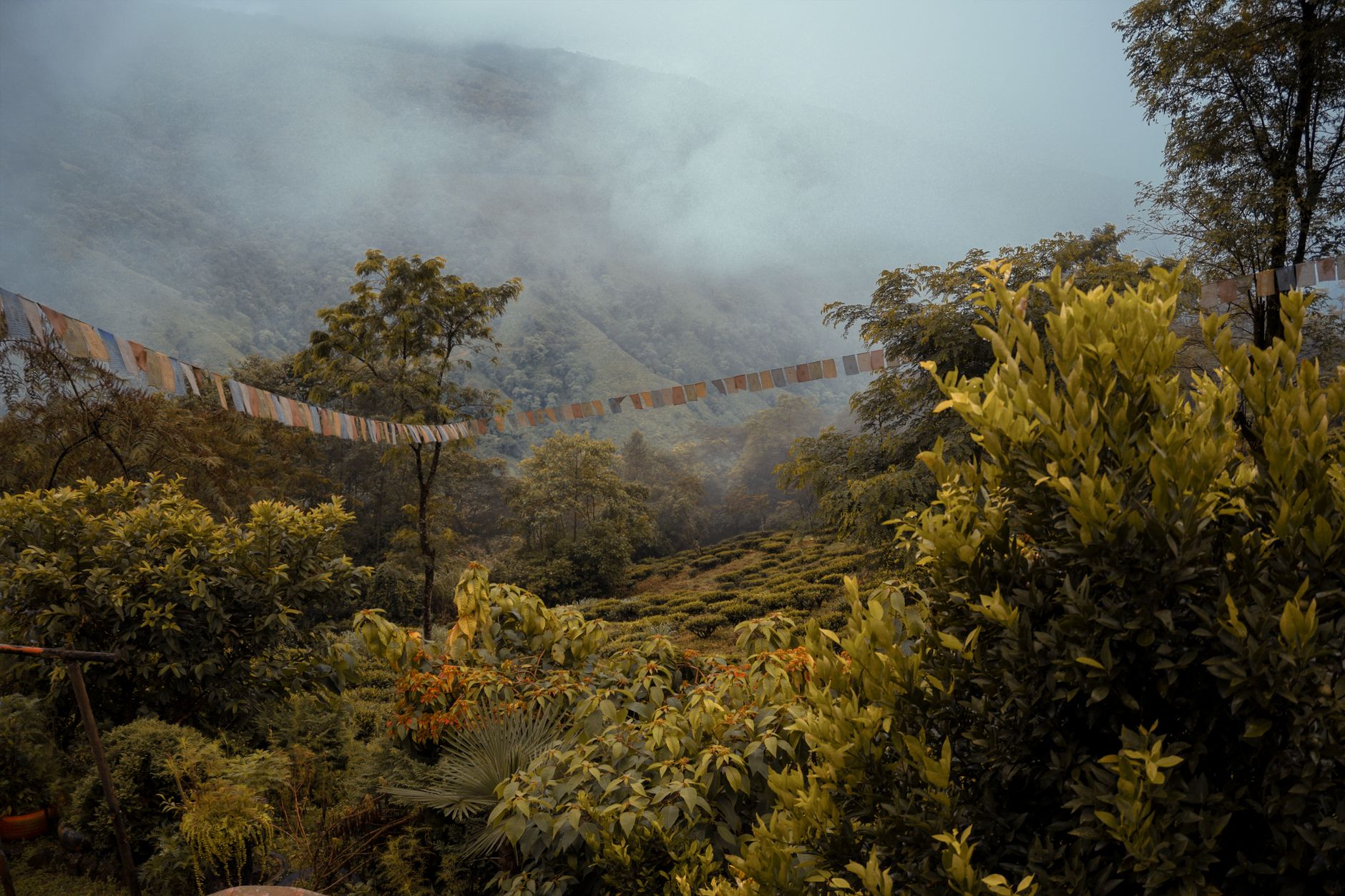


Kurseong sits 45 kilometres north of Bagdogra Airport, reached in under two hours along National Highway 110. It is known for high-altitude tea estates, including Makaibari, and the tracks of the narrow-gauge Darjeeling Himalayan Railway running directly down the main street. Kurseong is worth visiting if you want to drink first-flush tea at plantation factories and wander uncrowded hill-station ridges. Look elsewhere if you expect late-night dining, luxury resort strips, or wide pedestrian promenades.
Last updated 6 Nov 2026
Build a Kurseong itinerary.
Choose up to 4 threads that pull you in. Your plan arrives organised around them.
The Bed
Where to stay in Kurseong
Which part of town to book, and what each one costs you in walking, noise or quiet.
The Comparison
Kurseong, or somewhere near it
The places you are realistically choosing between, and the honest case for each.
The Local Record
Where to read more about Kurseong
The blogs, boards, guides and operators worth bookmarking.
What to do in Kurseong West Bengal India
Kurseong clings to a steep ridge above the plains, bisected by the toy train tracks of Hill Cart Road. Days follow a practical mountain rhythm: morning walks through the tea terraces of Castleton or Ambootia, afternoon tea tastings in old factory tasting rooms, and evenings spent over hot broths in small bazaar diners. It suits travellers who prefer working plantations and quiet forest tracks to bustling resort squares.
24 hours in Kurseong West Bengal India
Start early at Makaibari Tea Estate for a factory walk, watching leaves roll and ferment before tasting a second flush. Head up to Kurseong station at noon to watch the steam train pass, then take a simple lunch of pork momos on Hill Cart Road. Finish before sunset with the short climb up to Eagle's Crag viewpoint. Select 1 Day above to see it.
2 days in Kurseong West Bengal India
Day two shifts up into the quiet pine forests of Dowhill. Walk among towering cryptomeria trees past Victoria Boys School, stopping at the Forest Museum. For lunch, seek out aloo dum and shyaphale from a local market stall, then take a late afternoon drive to Giddapahar to explore the Netaji Bose heritage house. Choose 2 Days to expand the plan.
3 days in Kurseong West Bengal India
A third day gives you time to detour down the narrow road to the village of Bagora or head toward the orange orchards of Sittong. Spend the afternoon sampling homemade churpi cheese, talking with tea pickers along Pankhabari Road, and drinking estate-fresh muscatel brew at a roadside stall unhurried by schedules.
Kurseong West Bengal India itineraries by interest
Tea & Plantations in Kurseong West Bengal India
Walk the terraces at Makaibari and Castleton, tour nineteenth-century processing sheds, and cup muscatel second-flush oolongs with factory managers.
Railway Heritage in Kurseong West Bengal India
Watch the Darjeeling Himalayan Railway steam locomotive negotiate Hill Cart Road, then inspect the 1890s museum exhibits at Kurseong station.
Local Food in Kurseong West Bengal India
Order steaming pork momos, spicy aloo thukpa, and fermented gundruk soup at tiny stalls near the Kurseong railway bazaar along the tracks.
Forest Walks in Kurseong West Bengal India
Hike the shaded trails around Dowhill through dense cryptomeria groves, passing colonial-era boarding schools to reach the Forest Museum.
Colonial Architecture in Kurseong West Bengal India
Inspect the stone masonry and timber halls of Victoria Boys School, Dowhill Girls School, and St. Paul's Church, all built between 1879 and 1905.
Markets & Produce in Kurseong West Bengal India
Wander the daily market for fermented bamboo shoots, round churpi cheese, fresh ginger, and fiery Dalle Khursani chillies sold in baskets.
Scenic Viewpoints in Kurseong West Bengal India
Climb up to Eagle's Crag at dusk for views over the Teesta and Balason river valleys and the distant lights across the North Bengal plains.
Sacred Architecture in Kurseong West Bengal India
Visit the quiet grounds of Ambootia Shiva Temple and the small Giddapahar Durga Mata temple carved into rock above the highway bend.
Nature Reserves in Kurseong West Bengal India
Walk the quiet perimeter of Salamander Lake, home to the rare Himalayan newt, surrounded by thick pine woods and rhododendron bushes.
Day Trips in Kurseong West Bengal India
Drive thirty minutes up to Kettle Valley for views of Kanchenjunga or take the mountain road east toward the quiet tea villages of Mirik.
Literary History in Kurseong West Bengal India
Visit Netaji Subhash Chandra Bose Museum at Giddapahar, where the leader wrote speeches in exile in the late 1930s.
Craft Traditions in Kurseong West Bengal India
Pick up hand-woven Lepcha shawls, local cane baskets, and packaged estate teas straight from producers along Pankhabari Road.