
,_portal_sud,_c._de_les_Mesures.jpg)
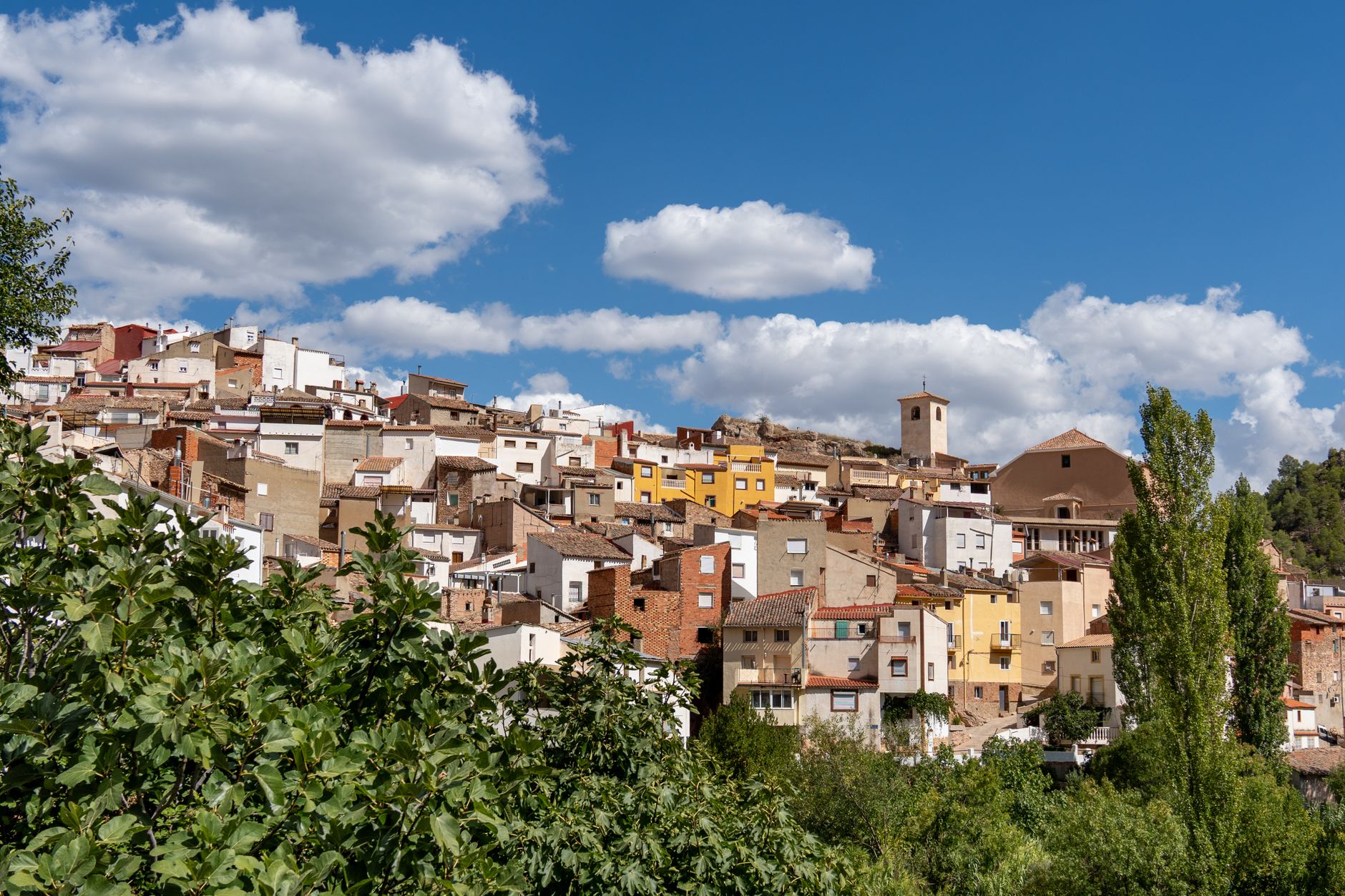
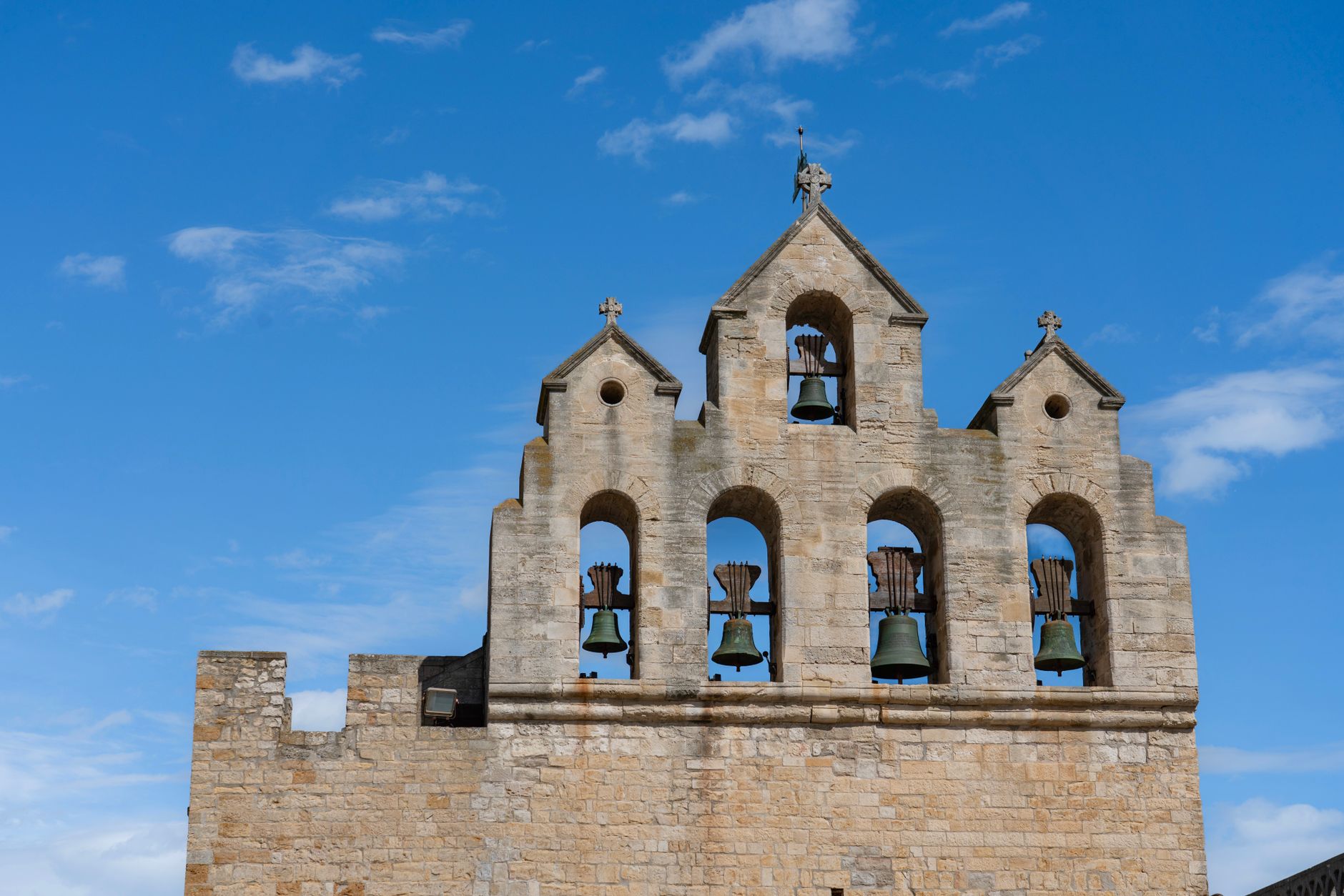
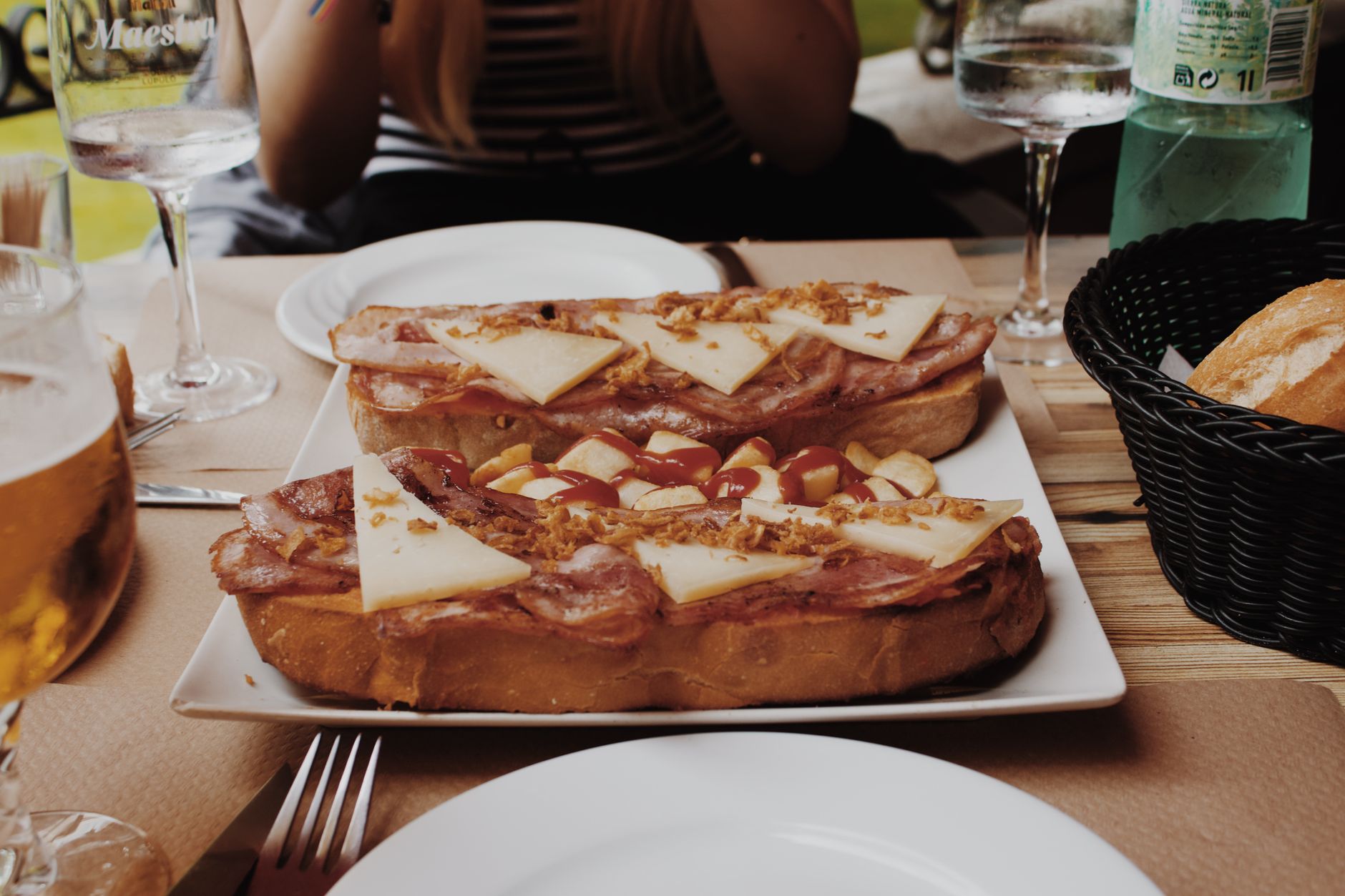

The dry clatter of terracotta tiles stacked on wooden pallets sets the rhythm along the Carrer de l'Aigüeta. Clay has driven La Bisbal since the sixteenth century, and the town still wears its red dust proudly. Away from the kiln chimneys, the Daró river bed splits the sprawl from a surprisingly austere medieval core anchored by the Romanesque castle palace of the bishops of Girona. It is a working market town, direct and unvarnished, where morning coffee comes with a crisp pastry called bisbalenc.
Last updated 1 Sept 2026
Build a La Bisbal d'Empordà itinerary.
Choose up to 4 threads that pull you in. Your plan arrives organised around them.
The Bed
Where to stay in La Bisbal d'Empordà
Which part of town to book, and what each one costs you in walking, noise or quiet.
The Comparison
La Bisbal d'Empordà, or somewhere near it
The places you are realistically choosing between, and the honest case for each.
The Local Record
Where to read more about La Bisbal d'Empordà
The blogs, boards, guides and operators worth bookmarking.
What to do in La Bisbal d'Empordà Catalonia Spain
Life in La Bisbal revolves around the kiln and the market basket. It suits travellers who prefer working craft towns over manicured beach resorts. The town splits neatly in two: the long ceramics strip flanking the main road and a quiet, maze-like core of medieval arches centered on the bishop's castle. Mornings belong to small family bakeries and workshop visits; afternoons slow to a sensible crawl before wine and small plates take over the squares.
24 hours in La Bisbal d'Empordà Catalonia Spain
Start early at the Terracotta Museu before watching artisans shape clay on Carrer de l'Aigüeta. Grab a slice of bisbalenc on Plaça Major, tour the twelfth-century Castell Palau, and spend the evening enjoying roast rabbit and a glass of local Garnatxa at a casual tavern. Select 1 Day above to see it.
2 days in La Bisbal d'Empordà Catalonia Spain
A second day lets you wander into the nearby medieval pocket of Cruïlles or Monells, just three miles away. Back in town, spend a relaxed afternoon rummaging through antique shops on the outskirts before dining on fresh mar i muntanya stews along the Daró river. Choose 2 Days to expand the plan.
3 days in La Bisbal d'Empordà Catalonia Spain
Three days allow a morning walk through the cork oak forests of the Gavarres hills, followed by wine tasting at a DO Empordà cellar. Finish with a late lunch of grilled sardines at the coast in Calella de Palafrugell, an easy twenty-minute drive downhill.
La Bisbal d'Empordà Catalonia Spain itineraries by interest
Craft Traditions in La Bisbal d'Empordà Catalonia Spain
Watch potters throw red clay along Carrer de l'Aigüeta and explore the Terracotta Museu inside a restored nineteenth-century ceramics factory.
Pastry & Sweets in La Bisbal d'Empordà Catalonia Spain
Order a bisbalenc at Pastisseria Sans, a local pastry of crisp puff pastry, candied pine nuts, and sweet cabell d'àngel pumpkin jam.
Weekly Markets in La Bisbal d'Empordà Catalonia Spain
Shop the Friday morning market stretching through Plaça Major for cured fuet, Empordà olive oil, and regional cheeses from local farmers.
Medieval Heritage in La Bisbal d'Empordà Catalonia Spain
Climb the twelfth-century Castell Palau of the Girona bishops and trace the narrow stone lanes through the historic Jewish quarter of El Call.
Regional Dining in La Bisbal d'Empordà Catalonia Spain
Settle in for Catalan mar i muntanya stews, botifarra with Santa Pau beans, and robust Empordà red wines in unpretentious village dining rooms.
Antique Hunting in La Bisbal d'Empordà Catalonia Spain
Browse vintage Catalan furniture, wrought iron, and salvaged architectural salvage packed into sprawling warehouses along the old town perimeter.
Local Wine in La Bisbal d'Empordà Catalonia Spain
Taste mineral-driven Carignan and Grenache produced under the DO Empordà label at family-run cellars scattered across the nearby Gavarres foothills.
Forest Trails in La Bisbal d'Empordà Catalonia Spain
Hike or cycle dirt tracks into the Massís de les Gavarres, shaded by cork oak forests, old stone chapels, and abandoned charcoal kilns.
Village Day Trips in La Bisbal d'Empordà Catalonia Spain
Drive five minutes to explore the intact medieval stone archways of Monells, Peratallada, and the fortified towers of Palau-sator.
Sacred Architecture in La Bisbal d'Empordà Catalonia Spain
Visit the baroque Church of Santa Maria with its soaring nave, or detour to the Romanesque abbey at nearby Sant Miquel de Cruïlles.
Coastal Escapes in La Bisbal d'Empordà Catalonia Spain
Drive twenty minutes east to swim from the rocky coves and pine-backed sand at Calella de Palafrugell and Aiguablava along the Costa Brava.
Art & Sculpture in La Bisbal d'Empordà Catalonia Spain
Seek out contemporary glaze experiments and outdoor tile murals embedded directly into residential walls across the ceramic workshops.