_Absis_de_Sant_Pere_de_la_Seu_d%27Urgell_-_Museu_Nacional_d%27Art_de_Catalunya.jpg)

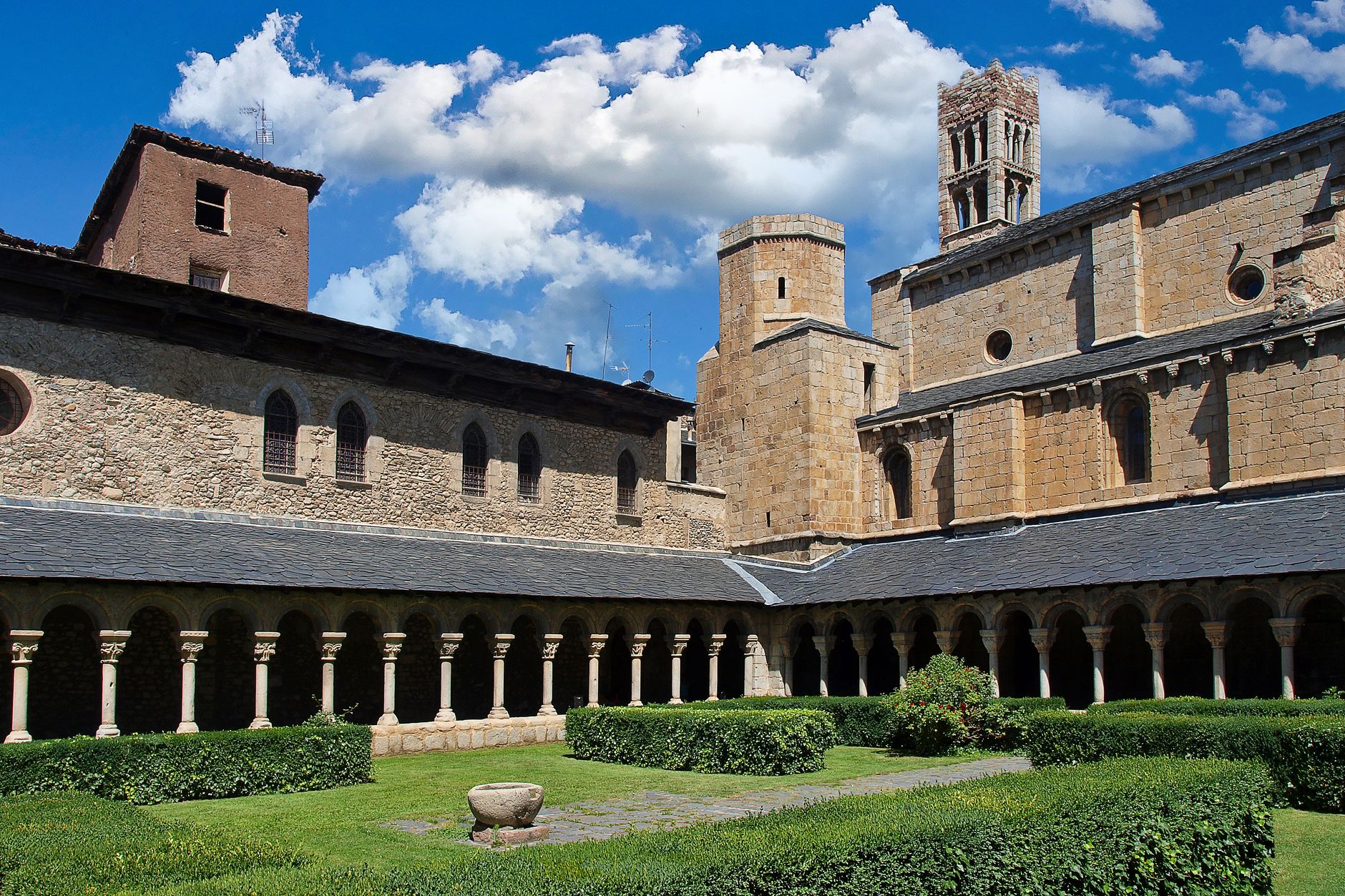
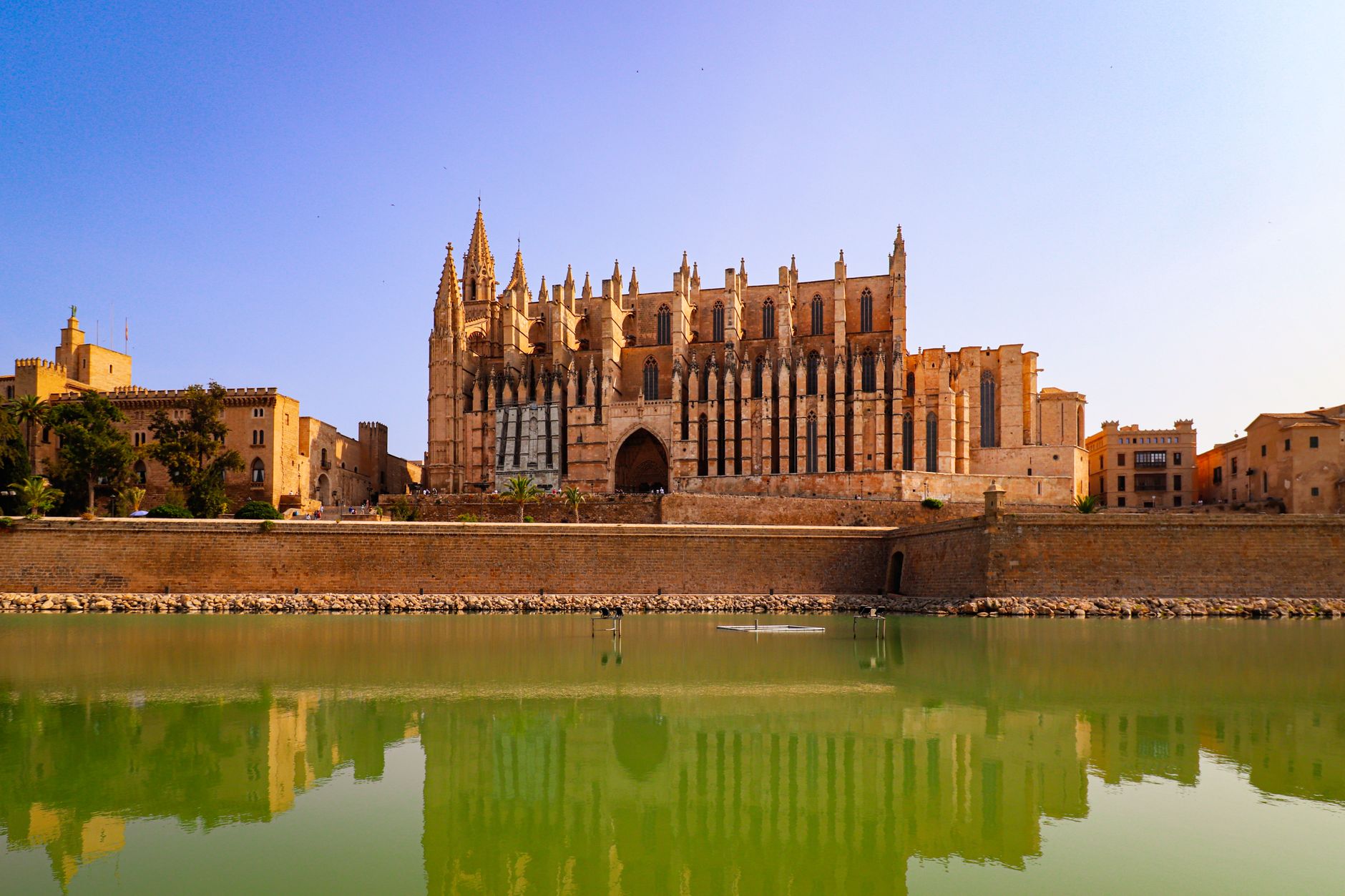
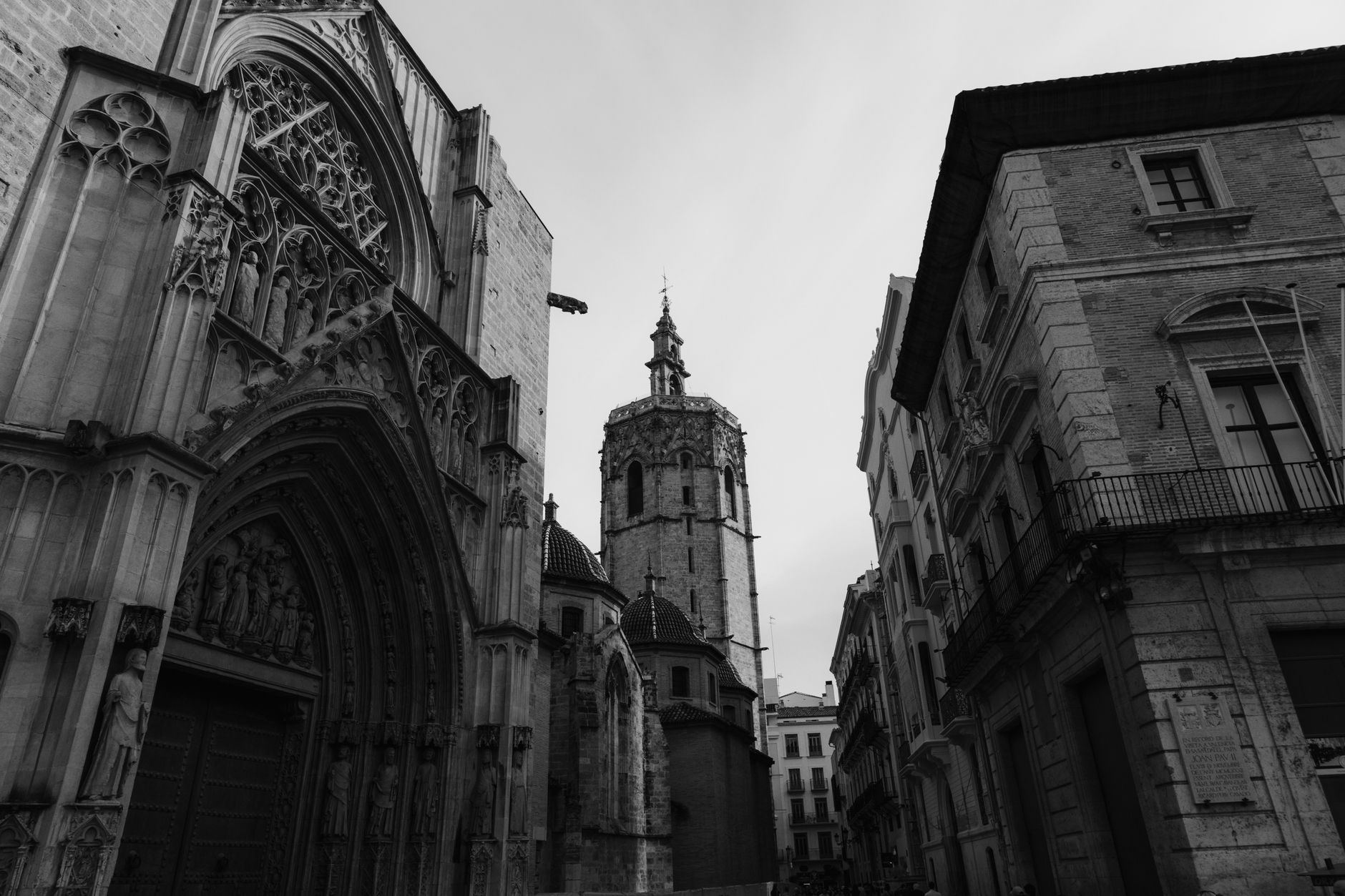
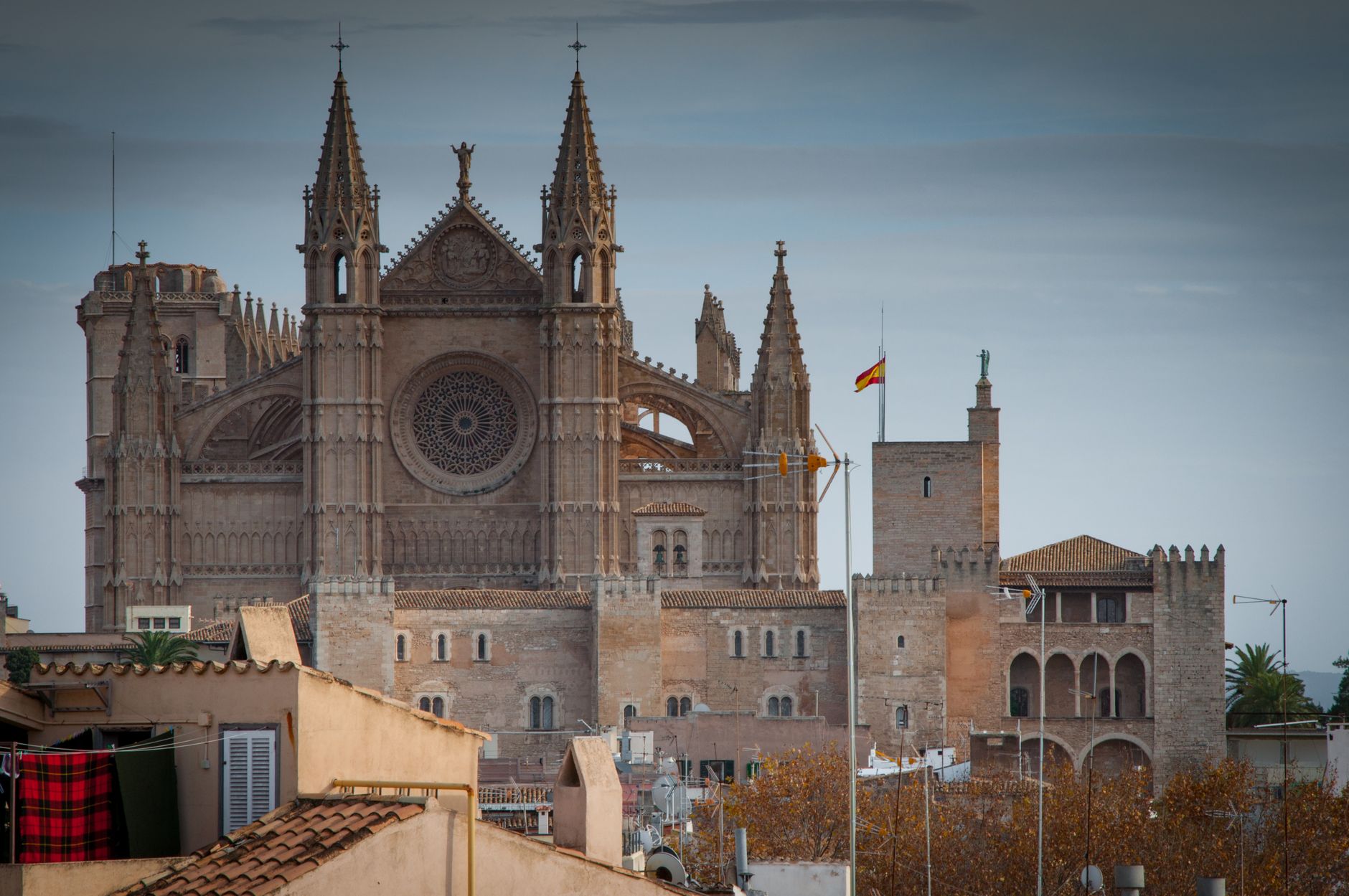
Granite arches shoulder the mountain chill along Carrer Major, where shopkeepers roll up metal shutters while the Pyrenean peaks catch morning frost. Long before duty-free petrol runs across the Andorran border became a habit, this valley hub answered to its bishop and its cheesemakers. You come for the Italianate Romanesque cathedral of Santa Maria and the creamy bite of cow milk Urgèlia cheese, stayed grounded by a stiff glass of Costers del Segre wine.
Last updated 31 Aug 2026
Build a La Seu d'Urgell itinerary.
Choose up to 4 threads that pull you in. Your plan arrives organised around them.
The Bed
Where to stay in La Seu d'Urgell
Which part of town to book, and what each one costs you in walking, noise or quiet.
The Comparison
La Seu d'Urgell, or somewhere near it
The places you are realistically choosing between, and the honest case for each.
The Local Record
Where to read more about La Seu d'Urgell
The blogs, boards, guides and operators worth bookmarking.
What to do in La Seu d'Urgell Catalonia Spain
La Seu d'Urgell gathers around its fortified medieval core and the rushing currents of the Segre. Days here move to the rhythm of market morning banter, afternoon hikes under the limestone wall of the Cadí range, and lingering lunches of trinxat and Pyrenean stew. It suits travellers who appreciate austere Romanesque masonry, exceptional artisan cheeses, and mountain air without alpine resort pretension.
24 hours in La Seu d'Urgell Catalonia Spain
Begin early at the cathedral of Santa Maria before the cloister fills, then walk the arcades of Carrer Major for a plate of trinxat and local cured llonganissa. Spend the afternoon watching paddlers at the Parc Olímpic del Segre, finishing with a glass of Costers del Segre red and Urgèlia cheese in Plaça dels Oms. Select 1 Day above to see it.
2 days in La Seu d'Urgell Catalonia Spain
Day two takes you out into the Cadí-Moixeró foothills. Hike the trails above the Segre valley, then drive to the stone village of Tuixent to learn about herbalist history. Return to town for a dinner of slow-cooked mountain beef shank and local cow milk cheeses. Choose 2 Days to expand the plan.
3 days in La Seu d'Urgell Catalonia Spain
A third day allows an unhurried excursion along the Valira into high mountain valleys or across to the Romanesque churches of the Alt Urgell countryside. Spend the late afternoon browsing the Diocesan Museum’s illuminated manuscripts, ending with tapas along Carrer dels Canonges.
La Seu d'Urgell Catalonia Spain itineraries by interest
Sacred Architecture in La Seu d'Urgell Catalonia Spain
Inspect the 12th-century cathedral of Santa Maria d'Urgell, its cloister capitals, and the 10th-century Beatus manuscript in the Diocesan Museum.
Cheese & Dairy in La Seu d'Urgell Catalonia Spain
Sample DOP Alt Urgell i la Cerdanya cow cheeses, buttery Urgèlia rounds, and washed-rind wheels sliced at Formatgeria Mas d'Eroles.
Mountain Rivers in La Seu d'Urgell Catalonia Spain
Paddle the Olympic slalom course at Parc Olímpic del Segre or walk the riverside trail where the Valira meets the Segre.
Traditional Markets in La Seu d'Urgell Catalonia Spain
Wander Carrer Major on Tuesday and Saturday mornings when stallholders lay out cured llonganissa, wild mushrooms, and mountain honey.
Hearty Mountain Cooking in La Seu d'Urgell Catalonia Spain
Eat trinxat de la Cerdanya made with winter cabbage and crisped pork belly, paired with braised Pyrenean beef shank in dark gravy.
Hiking & Trails in La Seu d'Urgell Catalonia Spain
Tackle the footpaths climbing into the limestone cliffs of Serra del Cadí or take the quiet loop path up to the hermitage of Sant Antoni.
Regional Wine in La Seu d'Urgell Catalonia Spain
Order crisp mountain whites and spicy Trepat reds from nearby Costers del Segre cellars alongside a plate of dry-cured fuet.
Cycling & Outdoors in La Seu d'Urgell Catalonia Spain
Rent a gravel bike at the Olympic park to follow marked routes tracing farm tracks across the Pla de les Forques plateau.
Historic Quarters in La Seu d'Urgell Catalonia Spain
Walk under the medieval stone porticoes of Carrer dels Canonges and stop at Plaça dels Oms for a morning cortado.
Valley Day Trips in La Seu d'Urgell Catalonia Spain
Drive twenty minutes into the Vansa valley to Tuixent for wild botanical remedies and traditional trementinaire herbal lore.
Cured Meats in La Seu d'Urgell Catalonia Spain
Taste peppery bull blanc, dark blood sausages, and cured ham hung in local xarcuteries that still butcher valley livestock.
Romanesque Heritage in La Seu d'Urgell Catalonia Spain
Trace Lombard stone churches across surrounding hamlets, starting at the 11th-century chapel of Sant Miquel beside the cathedral.