.jpg)

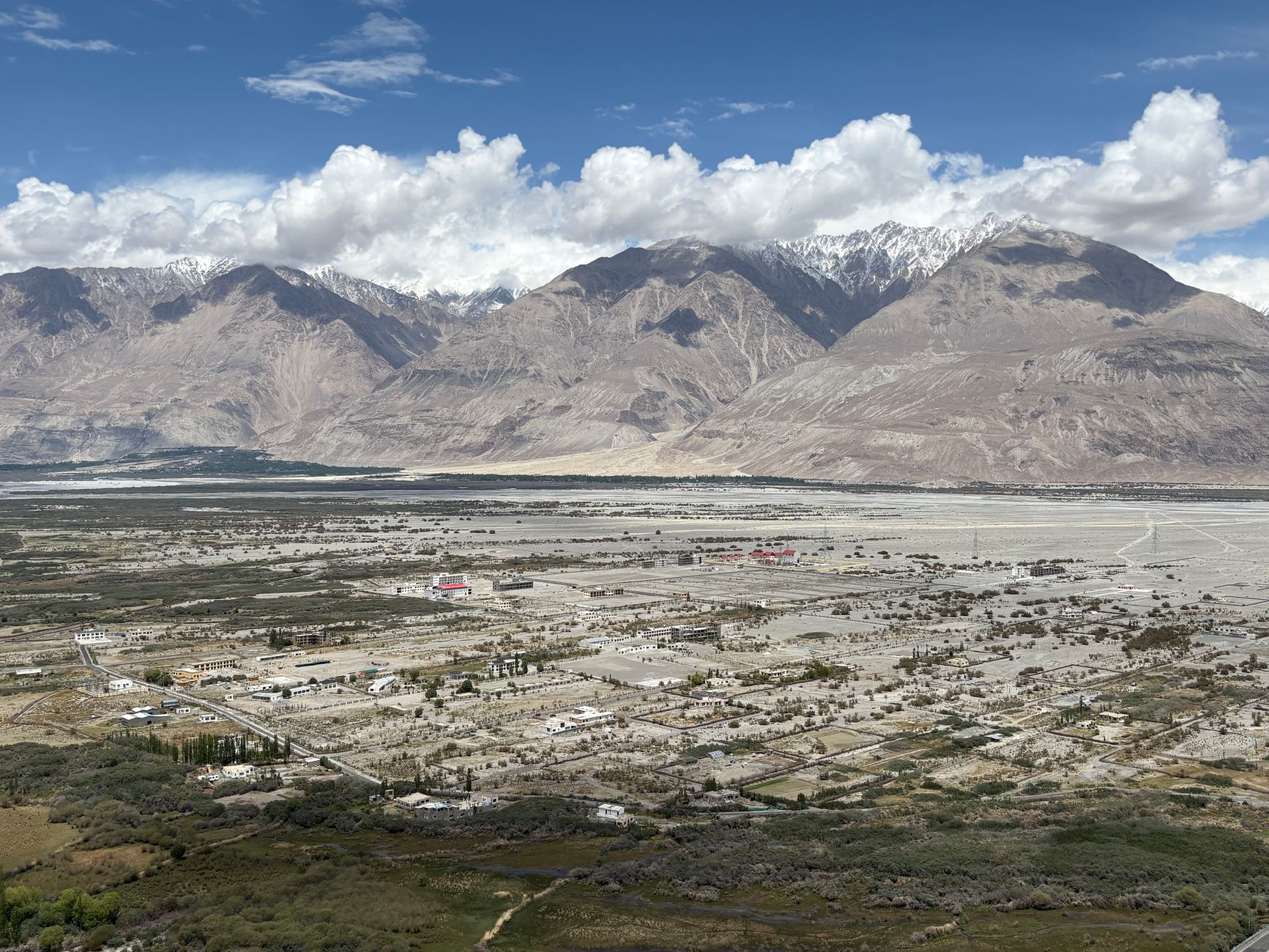
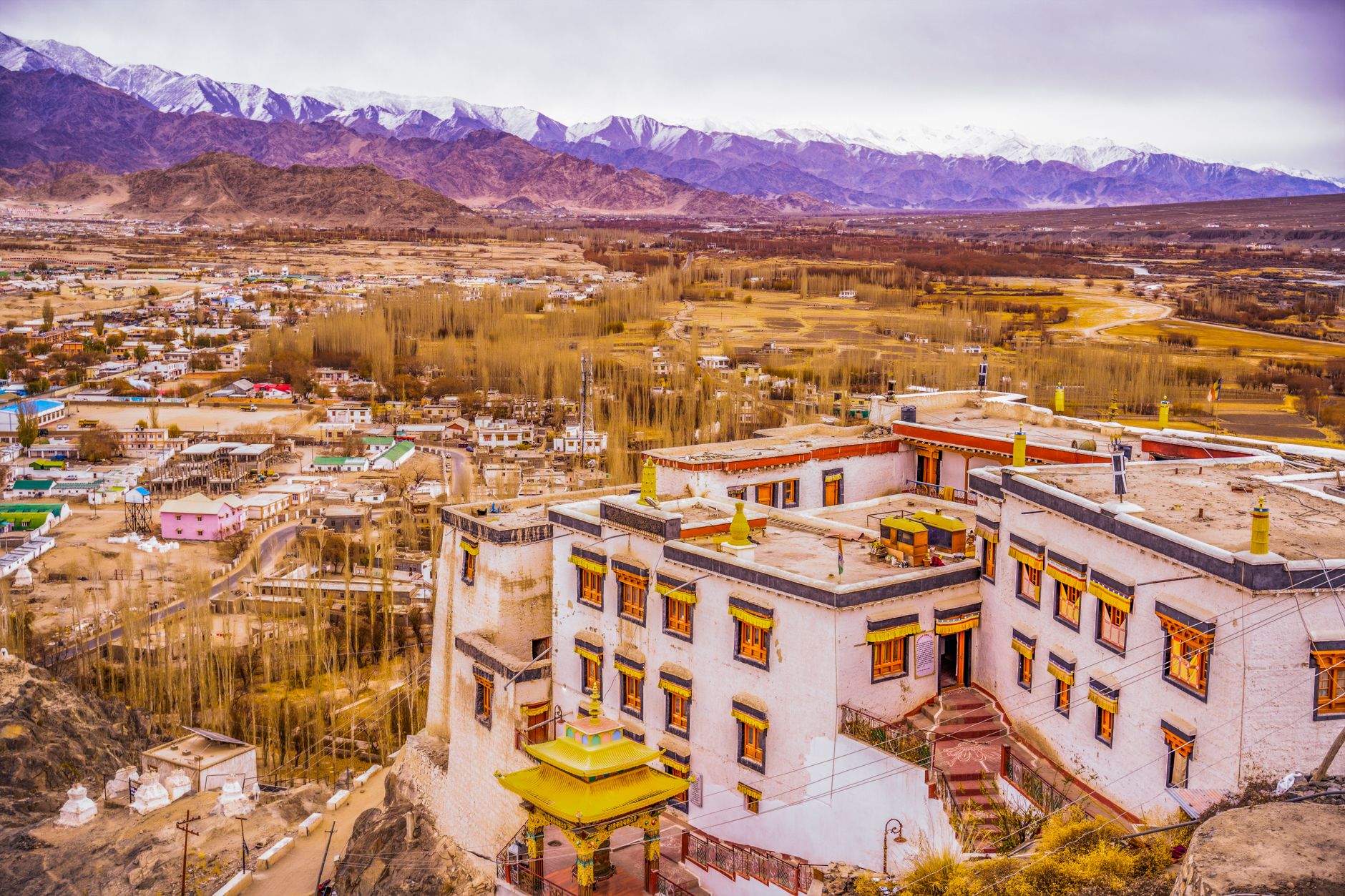

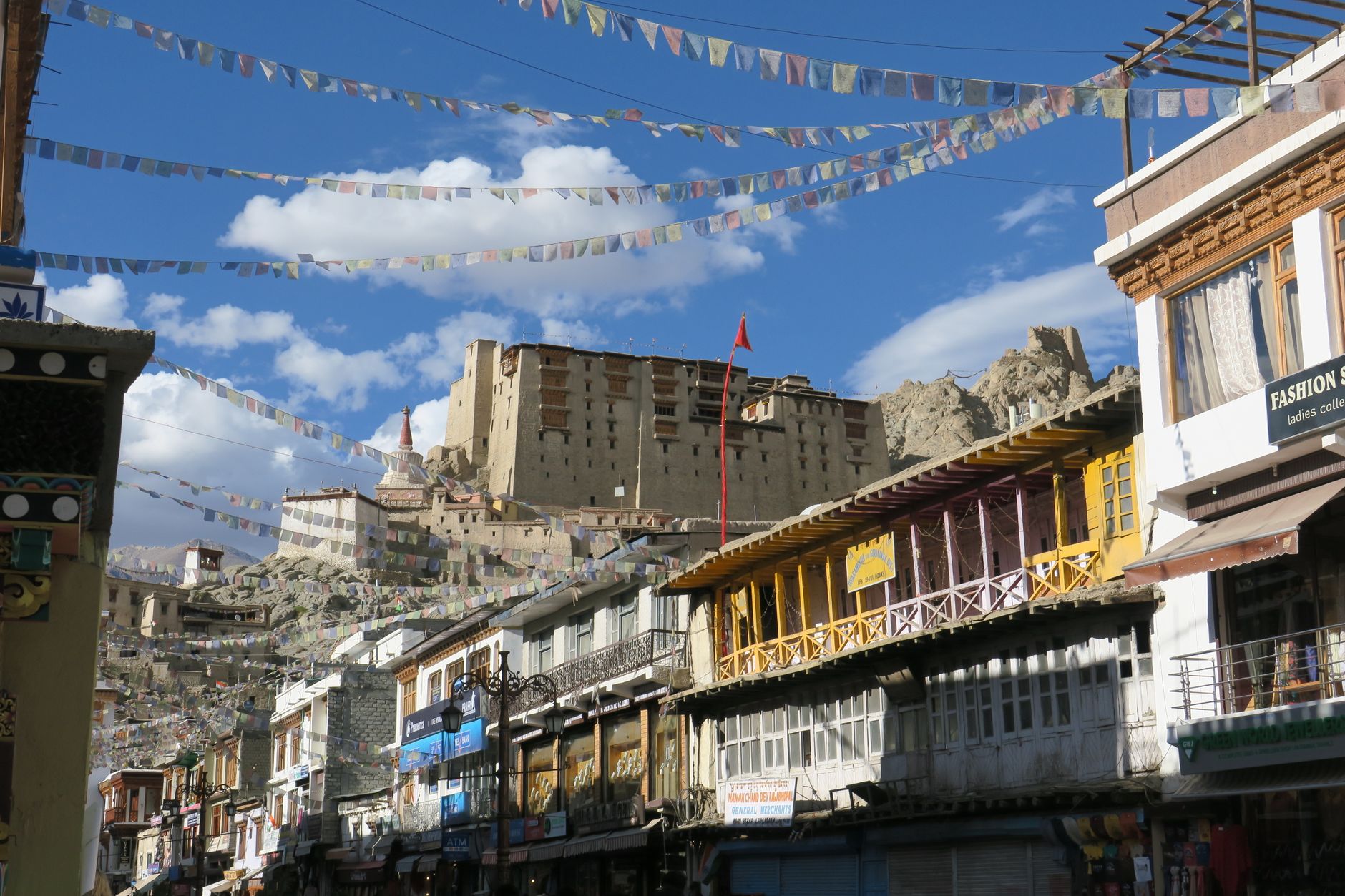
The altitude hits your lungs the second you step onto the tarmac at 3,500 metres. Above the dusty main bazaar, the seventeenth-century Leh Palace looms against bare granite slopes like a smaller Potala. Old town is an uphill maze of mudbrick homes and timber balconies where woodsmoke drifts from tiny bakeries making morning khambir. It is a frontier trading post turned mountain crossroads that demands you slow down and breathe.
Last updated 2 Sept 2026
Build a Leh itinerary.
Choose up to 4 threads that pull you in. Your plan arrives organised around them.
The Bed
Where to stay in Leh
Which part of town to book, and what each one costs you in walking, noise or quiet.
The Comparison
Leh, or somewhere near it
The places you are realistically choosing between, and the honest case for each.
The Local Record
Where to read more about Leh
The blogs, boards, guides and operators worth bookmarking.
What to do in Leh Ladakh India
Leh sits in a wide bowl along the upper Indus, framed by the jagged Ladakh Range. The pace here is dictated by altitude and sunlight. Mornings are for easy walks through the mudbrick lanes of Old Leh, afternoons for lingering over tea in shaded courtyard gardens, and evenings for watching prayer flags snap in the breeze up at Shanti Stupa. It suits patient travellers who respect the physical demands of high-altitude mountain life.
24 hours in Leh Ladakh India
Take the morning slow with tea and warm khambir bread to acclimatise. By noon, wander the stone steps of Old Town up to Leh Palace. Finish the daylight hours with a twenty-minute taxi ride to Shanti Stupa for sunset over the valley, followed by a steaming bowl of mutton thenthuk on Fort Road. Select 1 Day above to see it.
2 days in Leh Ladakh India
Day two takes you out along the Indus. Head east early to catch morning prayer chants at Thiksey Monastery, a twelve-tier complex perched on a hill. Stop at Shey Palace on the return loop, then spend a quiet evening browsing dried apricots and woollen caps in the Central Asian Museum courtyard. Choose 2 Days to expand the plan.
3 days in Leh Ladakh India
A third day lets you venture further west to Alchi Monastery, where eleventh-century wooden carvings and wall paintings survive untouched. On the way back, stop at the confluence of the Indus and Zanskar rivers near Nimmu for a lunch of hot momos and ginger lemon tea.
Leh Ladakh India itineraries by interest
Sacred Architecture in Leh Ladakh India
Climb to seventeenth-century Leh Palace, Namgyal Tsemo Gompa, and white-domed Shanti Stupa for evening views over the Indus Valley.
Local Food in Leh Ladakh India
Slurp hot bowls of hand-rolled thenthuk, steamed mutton momos, and sip salty gur-gur cha with toasted barley flour tsampa at local cafes.
Bazaar Culture in Leh Ladakh India
Wander the pedestrianised Main Bazaar to buy sun-dried apricots, handwoven pashmina shawls, and yak cheese directly from local traders.
Monastery Trails in Leh Ladakh India
Hear dawn horn calls and chanting at Thiksey, explore Hemis museum treasures, and visit the cliffside prayer halls of Spituk.
Historic Alleys in Leh Ladakh India
Explore the labyrinth of Old Town Leh, passing timbered Ladakhi doorways, Mani walls, and Chamba Temple tucked among mudbrick homes.
High Mountain Passes in Leh Ladakh India
Drive over 5,359-metre Khardung La into the Nubra Valley, or take the winding road toward Chang La with proper acclimatisation.
Bakeries & Tea in Leh Ladakh India
Pick up fresh, round Ladakhi khambir bread straight from wood-fired clay ovens and wash it down with sweet Kashmiri kahwa.
Day Trips in Leh Ladakh India
Follow the Indus River down to Alchi to study millennium-old Kashmiri-style frescoes and Likir's towering outdoor golden Buddha.
Desert Valleys in Leh Ladakh India
Cross into Nubra to see double-humped Bactrian camels amid the sand dunes of Hunder and the hot springs of Panamik.
High-Altitude Lakes in Leh Ladakh India
Journey across barren ridges to the turquoise waters of Pangong Tso or the quieter, saline shoreline of Tso Moriri.
Craft Traditions in Leh Ladakh India
Watch woodcarvers shape juniper frames and coppersmiths hammer butter lamps in Choglamsar workshops south of town.
Trekking & Trails in Leh Ladakh India
Hike the arid ridgelines through the Markha Valley or tackle the gentler trail between Saboo village and the Indus riverbanks.