

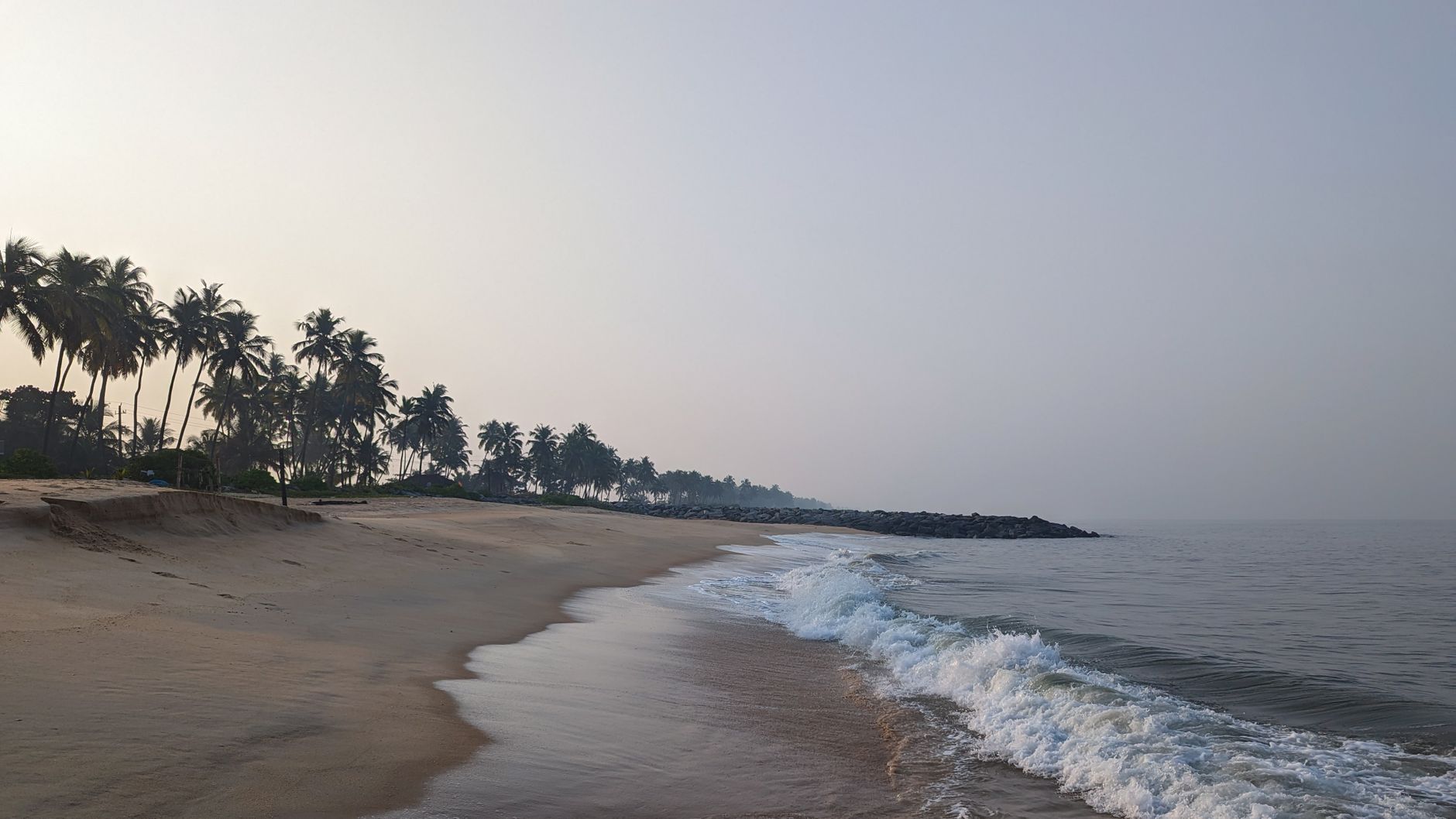
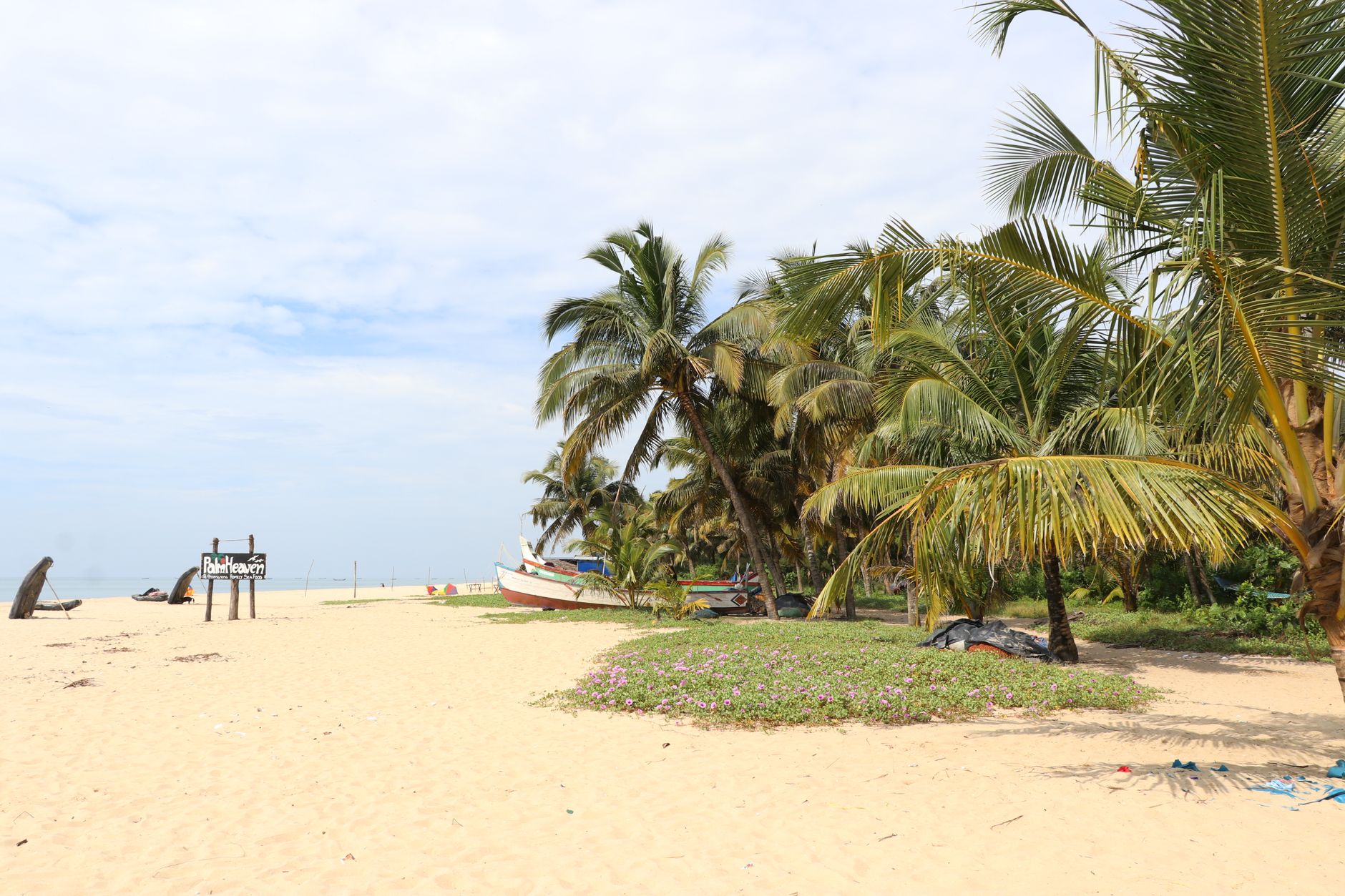
Mararikulam sits on the Malabar Coast, forty-five kilometres south of Kochi and twenty minutes north of Alappuzha by local train. It is a working fishing village known for coconut palm groves, coir weaving, and a quiet stretch of Arabian Sea sand. Mararikulam is worth visiting if you want unhurried beach walks, fresh seer fish fried at small seaside shacks, and a base for exploring the backwaters without the crowds. Look elsewhere if you want late-night bars, paved boardwalks, water sports, or extensive indoor museums.
Last updated 29 Oct 2026
Build a Mararikulam itinerary.
Choose up to 4 threads that pull you in. Your plan arrives organised around them.
The Bed
Where to stay in Mararikulam
Which part of town to book, and what each one costs you in walking, noise or quiet.
The Comparison
Mararikulam, or somewhere near it
The places you are realistically choosing between, and the honest case for each.
The Local Record
Where to read more about Mararikulam
The blogs, boards, guides and operators worth bookmarking.
What to do in Mararikulam Kerala India
Life in Mararikulam follows the rhythms of the Arabian Sea and the coir trade. The settlement is loose and quiet, arranged around palm-shaded pathways rather than a central commercial district. Days centre on early morning beach walks, afternoon rests during the coastal heat, and relaxed dinners of spicy seafood. It suits independent travellers looking for rest and authentic coastal village pace.
24 hours in Mararikulam Kerala India
Start before dawn at Marari Beach to watch crews launch their wooden skiffs through the surf. Spend midday sheltered from the sun over a banana-leaf lunch of karimeen and matta rice in town, then take a late-afternoon bicycle ride along the coastal backlanes to the Shiva Temple as the oil lamps are lit. Select 1 Day above to see it.
2 days in Mararikulam Kerala India
Dedicate your second day to the inland lanes of Mararikulam North. Watch coir spinners feeding fibre into spinning wheels, drink sweet chai at a roadside tea shop, and hire a canoe from Muhamma or nearby backwater jetties for a quiet drift across the lotus ponds and canal edges. Choose 2 Days to expand the plan.
3 days in Mararikulam Kerala India
With three days, take a thirty-minute tuk-tuk ride south to explore the historic Gujarati quarter and old pier in Alappuzha, or travel north to Arthunkal to view the seventeenth-century St. Andrew's Basilica, returning to Mararikulam in time for grilled prawns beside the surf.
Mararikulam Kerala India itineraries by interest
Local Seafood in Mararikulam Kerala India
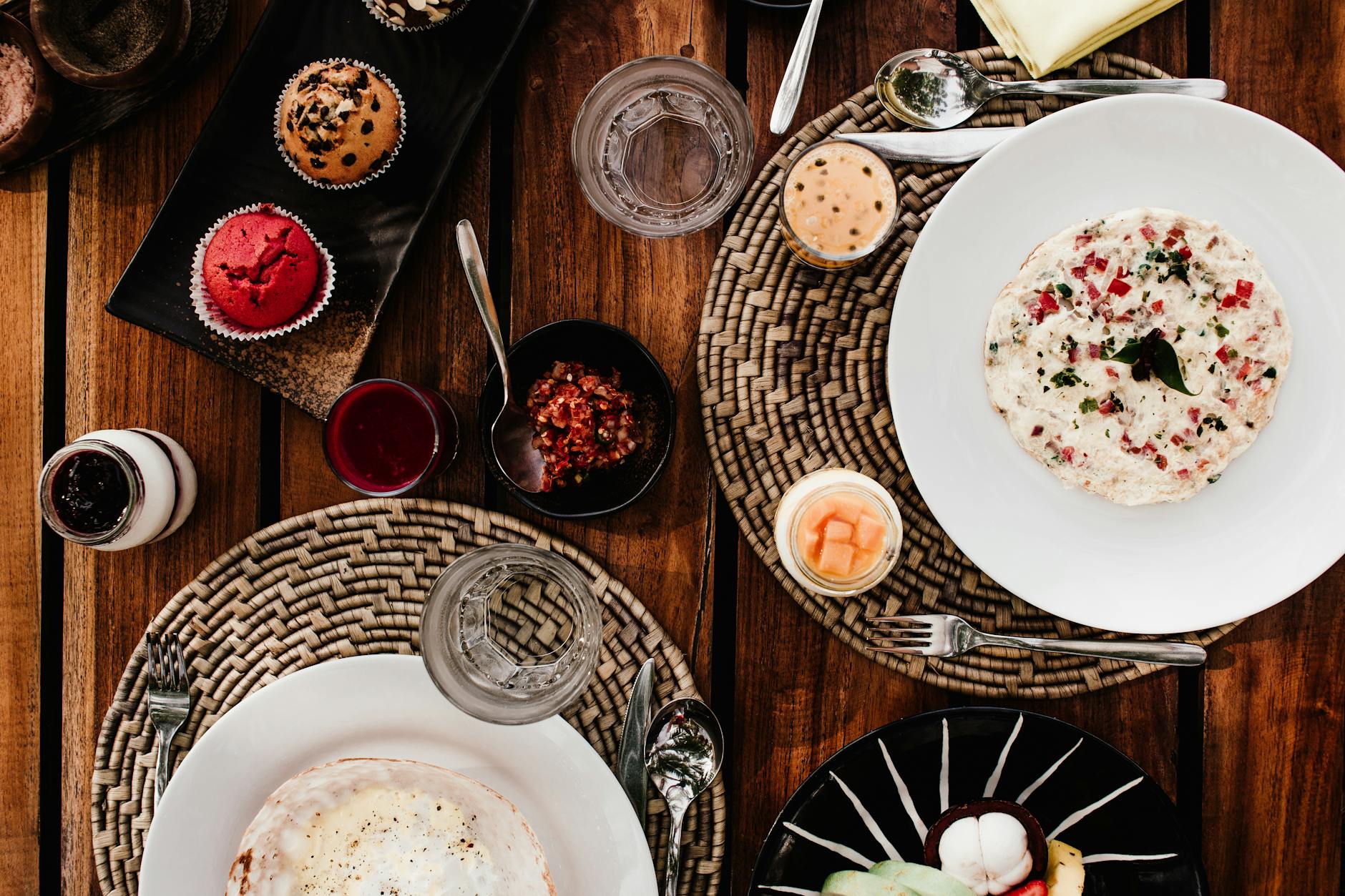
Taste pearl spot karimeen pollichathu wrapped in banana leaves, seer fish fry, and prawn roast prepared with kokum at local beachside family shacks.
Craft Traditions in Mararikulam Kerala India
Watch village women soak coconut husks and spin golden coir yarn using wooden wheels along the shaded lanes behind Marari Beach.
Sacred Architecture in Mararikulam Kerala India
Visit the centuries-old Mararikulam Shiva Temple, noting its circular sanctum, brass oil lamps, and temple pond shaded by banyan trees.
Coastal Walks in Mararikulam Kerala India
Stroll the shoreline at dawn past rows of wooden kattumarams and colourful fishing nets drying beside thatched beach huts.
Day Trips in Mararikulam Kerala India
Board a traditional wooden kettuvallam for quiet canal journeys through the backwater villages around nearby Alappuzha and Muhamma.
Birdwatching in Mararikulam Kerala India
Spot kingfishers, brahminy kites, and white-bellied sea eagles across the coastal coconut groves and freshwater canal edges.
Cycling in Mararikulam Kerala India
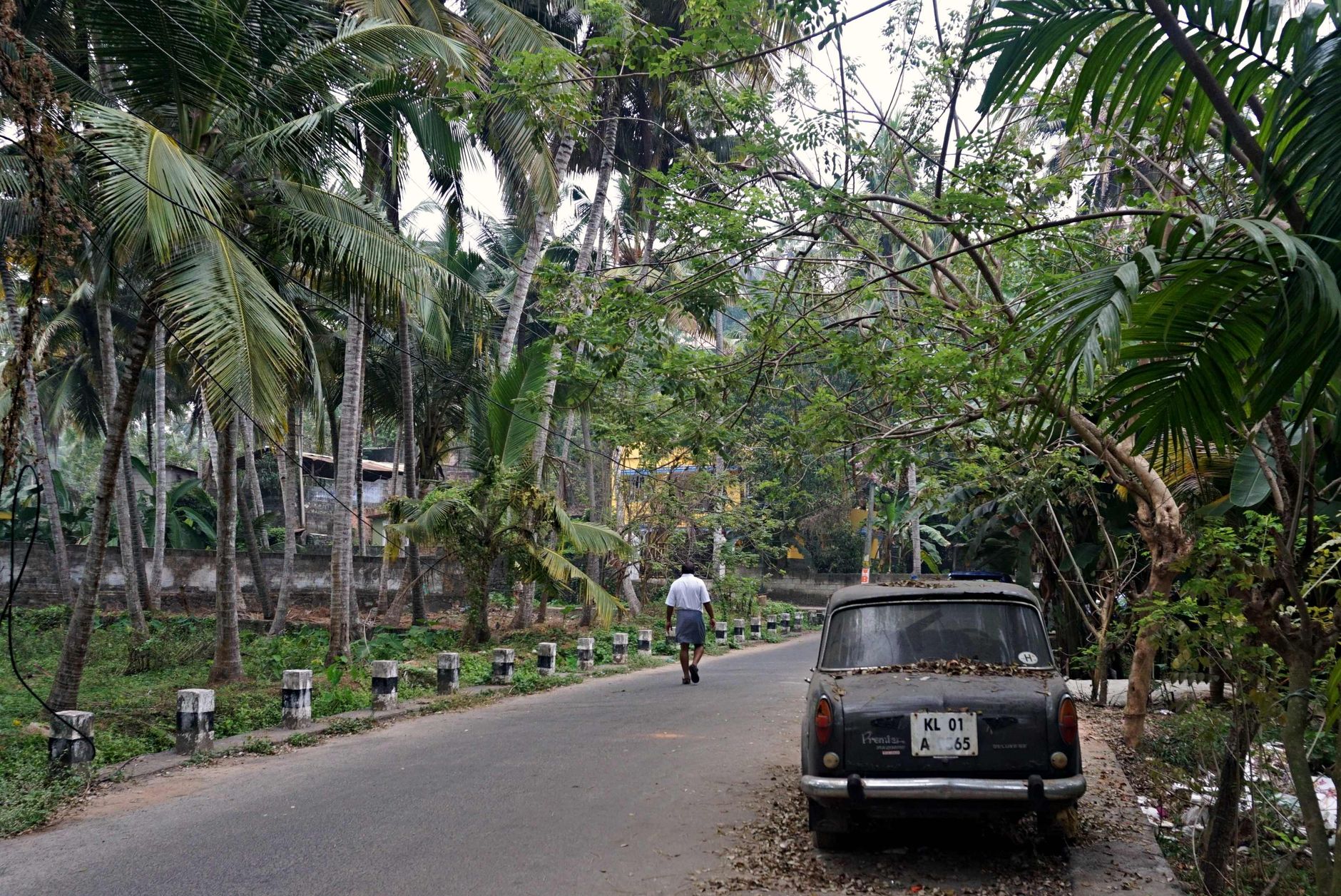
Pedal single-speed bicycles down flat, palm-canopied village lanes connecting Mararikulam North, local schools, and quiet boat landings.
Markets & Produce in Mararikulam Kerala India
Browse fresh tapioca, green coconuts, Malabar tamarind, and the day's catch landed directly by fishermen on Marari Beach at daybreak.
Regional Cooking in Mararikulam Kerala India
Sample traditional Kerala sadhya served on banana leaves, featuring avial, thoran, sambar, red matta rice, and crispy plantain chips.
Ayurvedic Traditions in Mararikulam Kerala India
Experience classical herbal oil treatments and warm kizhi poultices using regional medicinal herbs at long-established village clinics.
Village Life in Mararikulam Kerala India
Walk residential pathways between thatched cottages to see toddy tappers climbing palms and neighbours greeting each other at tea stalls.
Sunset Watching in Mararikulam Kerala India
Find a quiet patch of sand north of the main beach entry to watch wooden outriggers return under pink and amber Arabian Sea skies.