

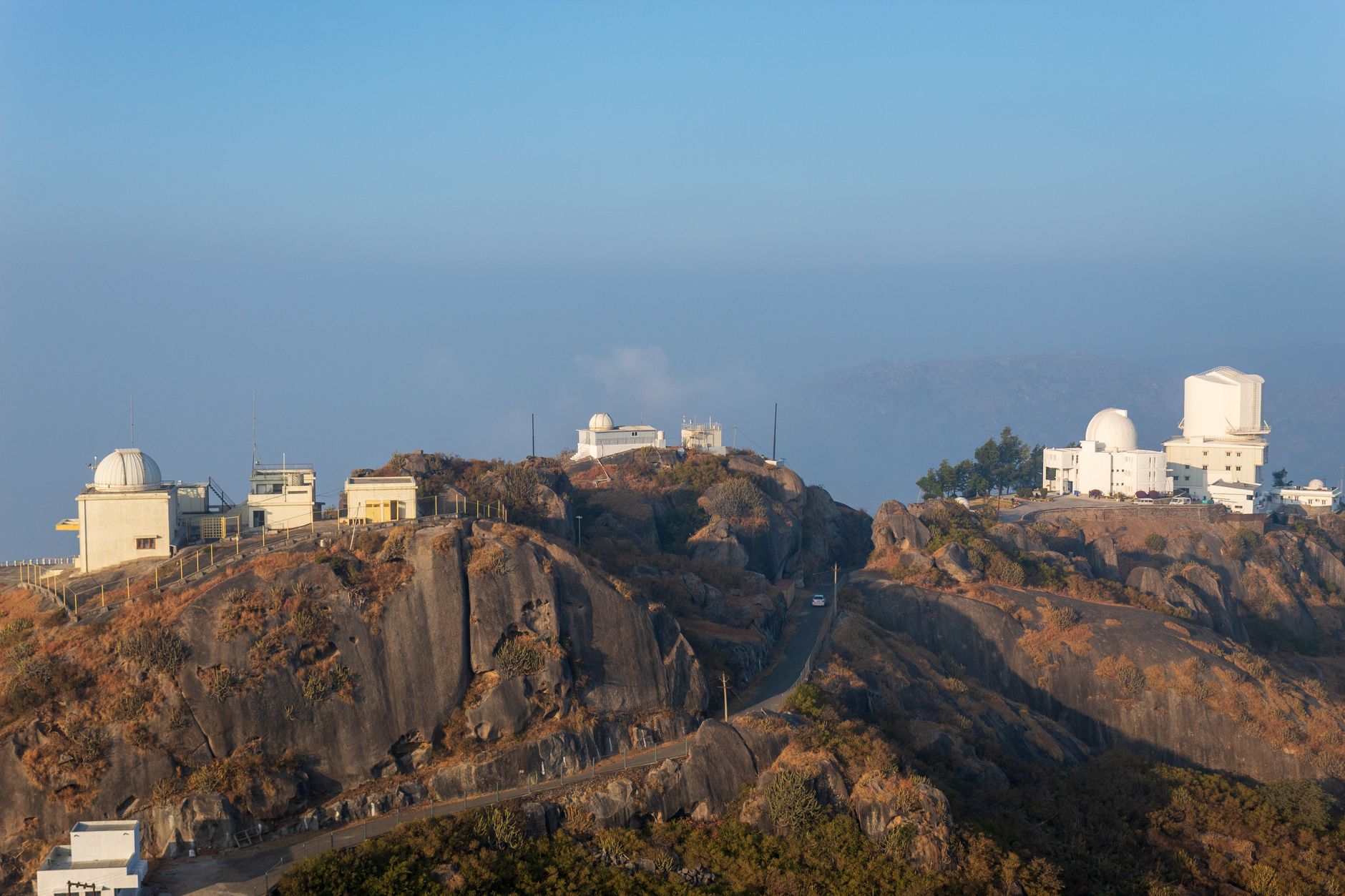


Perched in the Aravalli Range 28 kilometres uphill from Abu Road station, Mount Abu provides a cool mountain retreat three hours west of Udaipur. It is known for the intricate marble carvings of the Dilwara temples and its high-plateau lake. Mount Abu is worth visiting if you want to inspect masterwork marble carving in cooler mountain air and hike granite ridges above the desert. Look elsewhere if you require grand royal palaces, desert sand dunes, or silent solitude around the central lake.
Last updated 8 Oct 2026
Build a Mount Abu itinerary.
Choose up to 4 threads that pull you in. Your plan arrives organised around them.
The Bed
Where to stay in Mount Abu
Which part of town to book, and what each one costs you in walking, noise or quiet.
The Comparison
Mount Abu, or somewhere near it
The places you are realistically choosing between, and the honest case for each.
The Local Record
Where to read more about Mount Abu
The blogs, boards, guides and operators worth bookmarking.
What to do in Mount Abu Rajasthan India
Mount Abu is organized around the lively bowl of Nakki Lake and the surrounding granite ridges of the Aravalli range. Days here settle into a comfortable rhythm of morning visits to remote temple complexes, afternoon walks through wooded valleys, and evening strolls along bustling town markets. It suits travellers wanting an active mountain break from Rajasthan's desert circuit, without sacrificing good regional food or architectural wonder.
24 hours in Mount Abu Rajasthan India
Arrive early and head straight to the Dilwara Temples when non-pilgrim doors open at noon. After marvelling at the marble ceilings, eat dal baati churma on Rajendra Road. Spend the late afternoon walking up Toad Rock for views across Nakki Lake, finishing with a bowl of warm rabdi from a lakeside vendor as the mountain chill sets in. Select 1 Day above to see it.
2 days in Mount Abu Rajasthan India
A second day lets you hire a taxi up to Guru Shikhar, the highest peak in Rajasthan, before the mid-morning haze rolls in. Head next to Achalgarh to inspect the fifteenth-century fortress walls and ancient brass Nandi bull. End with a quiet walk around Trevor's Tank to spot crocodiles and birds before an evening thali in the main market. Choose 2 Days to expand the plan.
3 days in Mount Abu Rajasthan India
With three days, take the unhurried Bailey's Walk trail across the ridgeline in the early morning cool. Visit the tranquil gardens at Brahma Kumaris Peace Park, then dedicate a relaxed afternoon to exploring tribal crafts, leather mojari footwear, and hand-woven textiles in the quiet back alleys behind the town bazaar.
Mount Abu Rajasthan India itineraries by interest
Sacred Architecture in Mount Abu Rajasthan India
Study the razor-thin 11th-century marble filigree at the Dilwara Temples, especially Luna Vasahi and Vimal Vasahi, open to visitors at noon.
High Viewpoints in Mount Abu Rajasthan India
Ascend to Guru Shikhar at 1,722 metres or watch sunset from Toad Rock and Honeymoon Point as desert heat gives way to cool mountain air.
Street Food in Mount Abu Rajasthan India
Graze along the Nakki Lake promenade for spiced roasted corn on the cob, piping hot rabdi, crispy pyaaz kachoris, and cardamom chai.
Regional Cuisine in Mount Abu Rajasthan India
Sit down to Rajasthani thalis laden with ghee-drenched dal baati churma, gatte ki sabzi, and ker sangri at local dhabas along Rajendra Road.
Walking Trails in Mount Abu Rajasthan India
Walk shaded forest paths through Mount Abu Wildlife Sanctuary to Trevor's Tank, watching for langurs, sambar deer, and migratory waterbirds.
Historic Forts in Mount Abu Rajasthan India
Climb the stone ruins of 15th-century Achalgarh Fort, stopping at the Achaleshwar Mahadev temple to see the Shiva shrine built over a toe print.
Boat Touring in Mount Abu Rajasthan India
Rent a paddleboat on Nakki Lake in the late afternoon to see the colonial-era summer villas and rocky bluffs reflected on the calm water.
Craft Traditions in Mount Abu Rajasthan India
Browse the government emporia and stalls on Main Bazaar for Sanganeri block-print quilts, Rajasthani leather mojari slippers, and brassware.
Wildlife Watching in Mount Abu Rajasthan India
Head to Trevor's Tank reservoir in the early morning to spot mugger crocodiles basking on granite slabs among bamboo and eucalyptus trees.
Day Trips in Mount Abu Rajasthan India
Hire a taxi down the pass to the 15th-century marble temple complex of Ranakpur or the massive hill fortress of Kumbhalgarh.
Forest Walks in Mount Abu Rajasthan India
Follow the gentle four-kilometre trail around the higher ridges near Bailey's Walk, enjoying pine scent and broad views across the plains.
Spiritual Centres in Mount Abu Rajasthan India
Tour the quiet grounds and Peace Park of the Brahma Kumaris spiritual movement, founded here in the 1930s on the cool southern plateau.