


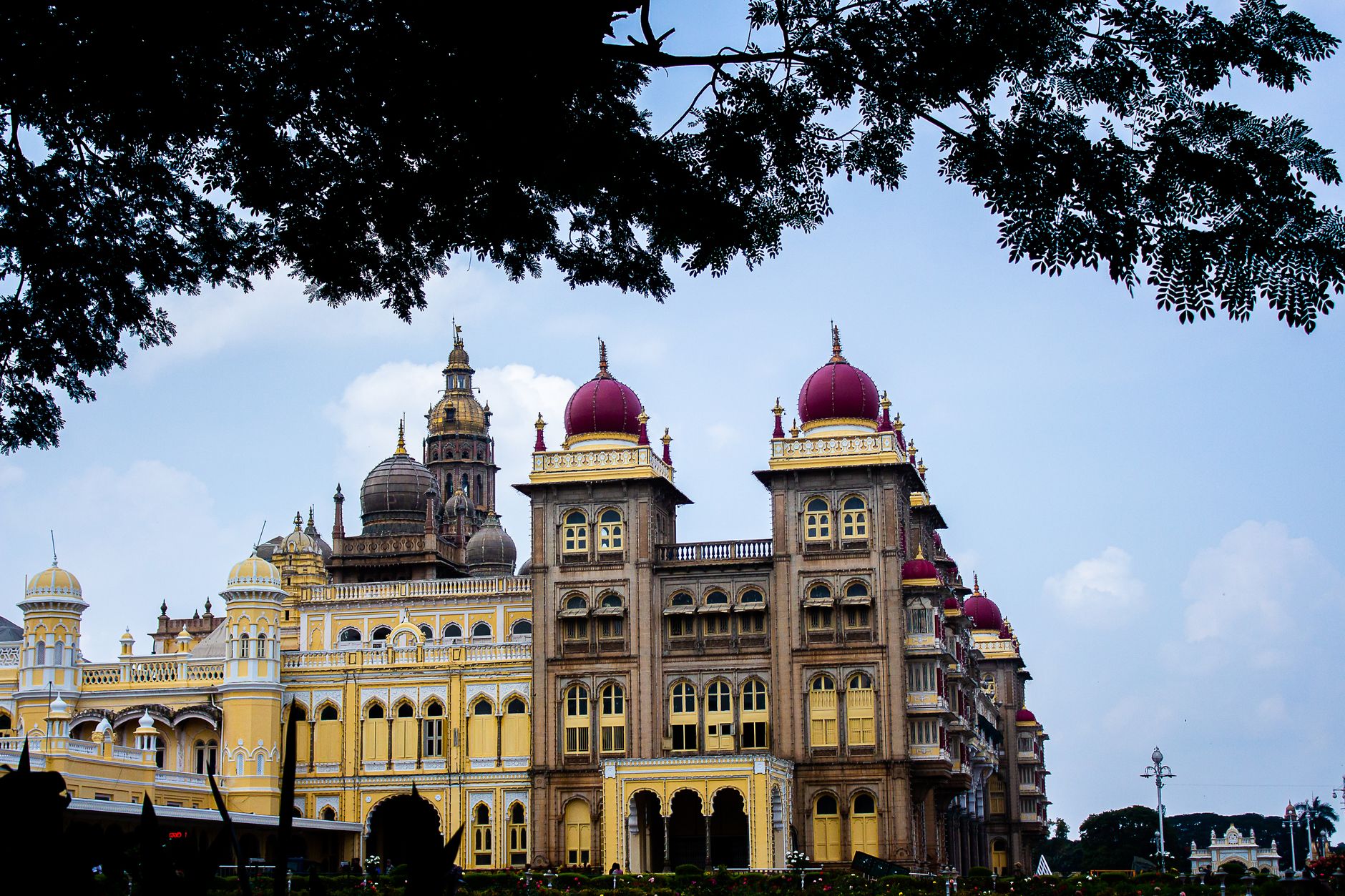
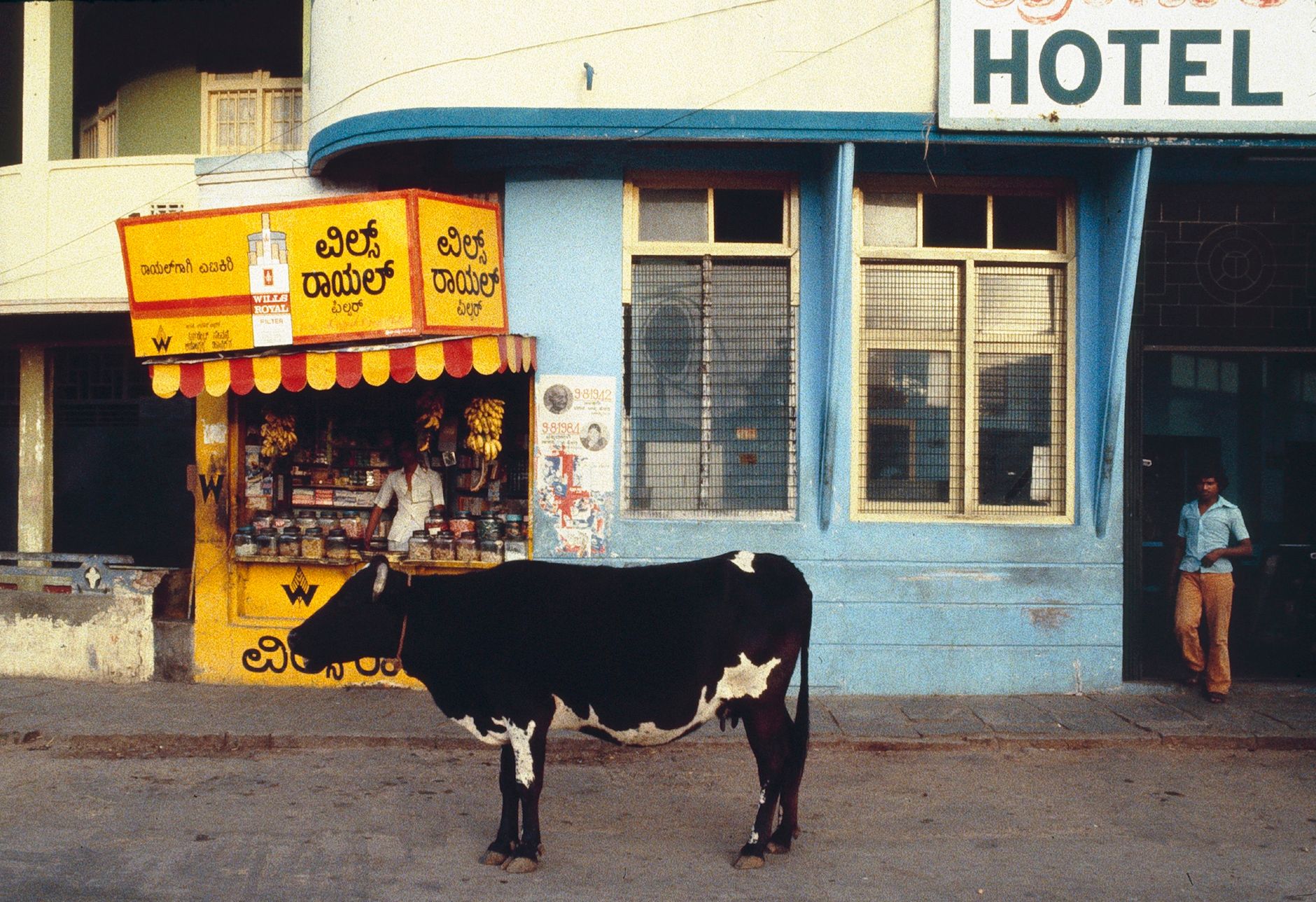
Mysore sits 145 kilometres southwest of Bengaluru, reachable in two hours on the morning express train. Karnataka's royal city is known for its sprawling Indo-Saracenic palace, sandalwood carving, and an enduring coffeehouse culture. It moves at a gentler rhythm than the tech hubs to the north, rewarding travellers on foot. Mysore is worth visiting if you want to study historic Wodeyar architecture, explore old spice markets, and eat crisp ghee roast dosas straight off the griddle. Look elsewhere if you want late-night bars and clubs, modern mega-malls, or fast-paced cosmopolitan energy.
Last updated 9 Sept 2026
Build a Mysore itinerary.
Choose up to 4 threads that pull you in. Your plan arrives organised around them.
The Bed
Where to stay in Mysore
Which part of town to book, and what each one costs you in walking, noise or quiet.
The Comparison
Mysore, or somewhere near it
The places you are realistically choosing between, and the honest case for each.
The Local Record
Where to read more about Mysore
The blogs, boards, guides and operators worth bookmarking.
What to do in Mysore Karnataka India
Mysore is anchored by the grand avenues radiating from the royal palace, making it one of southern India's most walkable historic centres. Mornings naturally belong to temple visits, the clamour of Devaraja Market, and old-school tiffin rooms serving dosas. Evenings slow down with strolls through heritage quarters and visits to illuminated courtyards. It suits travellers who appreciate craft, slow dining, and layered regional history without urban frenzy.
24 hours in Mysore Karnataka India
Start with morning filter coffee and a butter dosa at Mylari on Nazarbad Main Road. Spend two unhurried hours exploring Mysore Palace before midday heat, then browse the flower alleys of Devaraja Market. Ascend Chamundi Hill by late afternoon for the valley views and return to town for warm Mysore pak. Select 1 Day above to see it.
2 days in Mysore Karnataka India
Day two takes you beyond the center to the stone carvings of the 13th-century Keshava Temple at Somnathapura, an hour east. Return through the weavers' quarter for silk saris and spend the evening admiring the art collection and royal portraiture inside Jaganmohan Palace. Choose 2 Days to expand the plan.
3 days in Mysore Karnataka India
A third day allows an early morning boat ride among pelicans at Ranganathittu Bird Sanctuary, followed by the riverfront battlements of Srirangapatna. Wrap up with a quiet visit to the Government Silk Weaving Factory to watch shuttle looms spin pure mulberry thread.
Mysore Karnataka India itineraries by interest
Sacred Architecture in Mysore Karnataka India
Chamundeshwari Temple atop Chamundi Hill, St. Philomena’s neo-Gothic cathedral, and the ancient stone temples of Srirangapatna.
Royal Heritage in Mysore Karnataka India
The 1912 Ambavilas Palace with its stained-glass pavilions, Durbar halls, and Sunday evening illumination of nearly one hundred thousand bulbs.
Markets & Produce in Mysore Karnataka India
Devaraja Market for mounds of yellow marigolds, conical stacks of kumkum powder, local betel leaves, and Mysore bananas sold by the stem.
Street Food in Mysore Karnataka India
Crisp Mysore masala dosas fried in pure butter at Mylari, piping hot filter coffee, and deep-fried Maddur vadas eaten curb-side.
Craft Traditions in Mysore Karnataka India
Century-old silk-weaving looms at the government factory, rosewood marquetry, and fragrant sandalwood oil extraction workshops.
Sweet Treats in Mysore Karnataka India
Fresh Mysore pak cut warm from giant brass trays at Guru Sweets, blending chickpea flour, sugar syrup, and copious amounts of ghee.
Day Trips in Mysore Karnataka India
The 12th-century Hoysala temple carvings at Somnathapura, plus the island fortress and Tipu Sultan’s summer palace in Srirangapatna.
Wildlife & Birding in Mysore Karnataka India
Painted storks and pelicans nesting at Ranganathittu Bird Sanctuary, drifted past via rowboat along the calm Kaveri riverbanks.
Hill Walks & Views in Mysore Karnataka India
The 1,000 stone steps climbing Chamundi Hill, passing the monolithic Nandi bull carved from a single boulder of black granite in 1659.
Classical Arts in Mysore Karnataka India
Traditional Carnatic music recitals and the distinct gold-leaf Mysore painting style preserved in the gallery at Jaganmohan Palace.
Tea & Coffee in Mysore Karnataka India
South Indian filter coffee brewed through brass decoction sets, paired with steamed idlis and spicy coconut chutney at dawn.
Historic Gardens in Mysore Karnataka India
Brindavan Gardens below the massive Krishnarajasagara Dam, built across the Kaveri river in the 1930s with geometric terrace pools.