

Peratallada sits in the Baix Empordà, an easy forty-five-minute drive east of Girona and about ninety minutes north of Barcelona. The village is known for its tenth-century castle and the deep defensive moat carved directly out of the local sandstone bedrock. Outside the summer midday rush, the arcaded stone alleys belong mostly to local cats and slow walkers. Peratallada is worth visiting if you want to study carved medieval stone fortifications and eat duck with pears in an old vaulted dining room. Look elsewhere if you want beachfront access, late-night bars, or a list of indoor museums to fill a rainy afternoon.
Last updated 11 Sept 2026
Build a Peratallada itinerary.
Choose up to 4 threads that pull you in. Your plan arrives organised around them.
The Bed
Where to stay in Peratallada
Which part of town to book, and what each one costs you in walking, noise or quiet.
The Comparison
Peratallada, or somewhere near it
The places you are realistically choosing between, and the honest case for each.
The Local Record
Where to read more about Peratallada
The blogs, boards, guides and operators worth bookmarking.
What to do in Peratallada Catalonia Spain
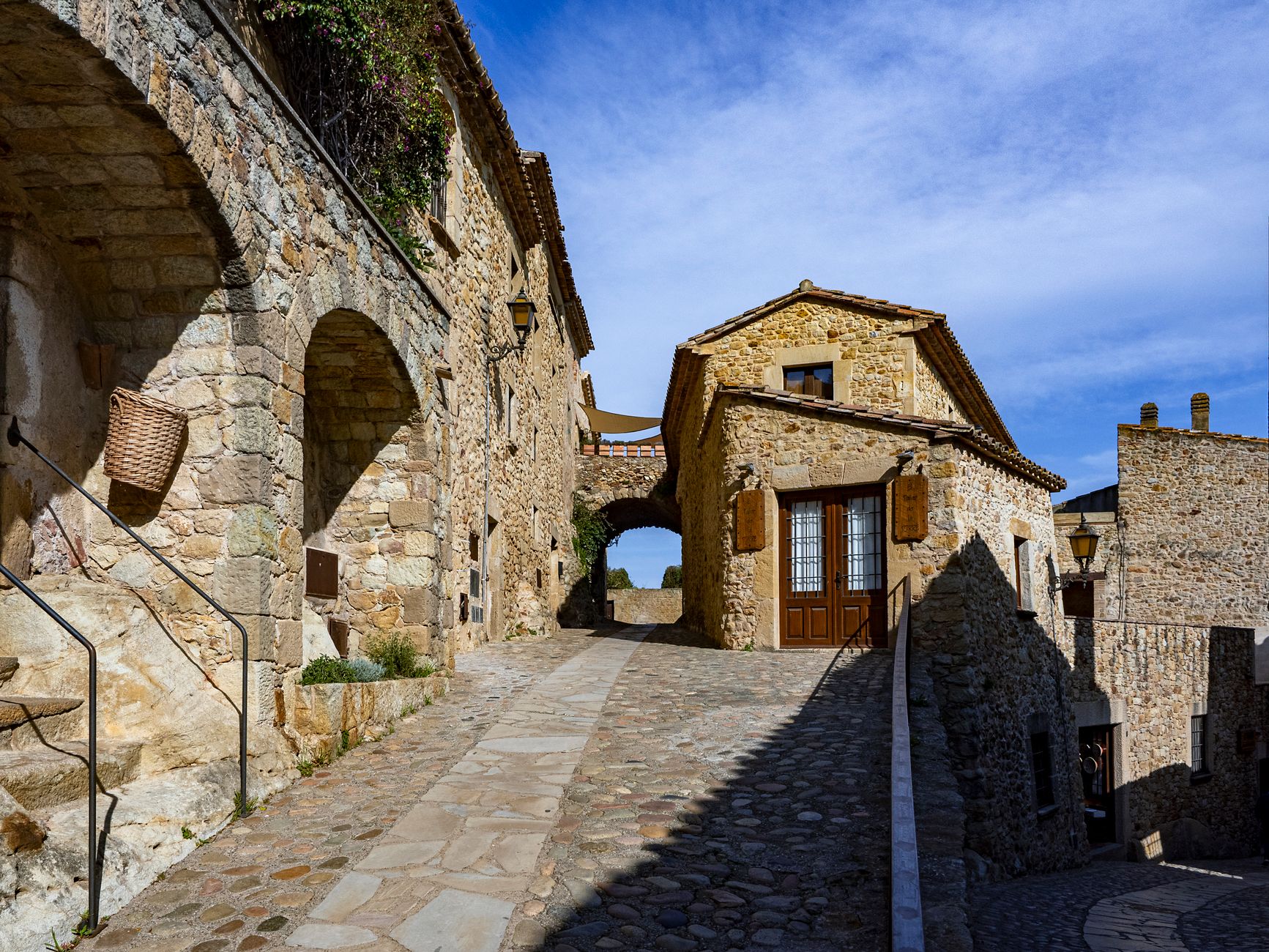
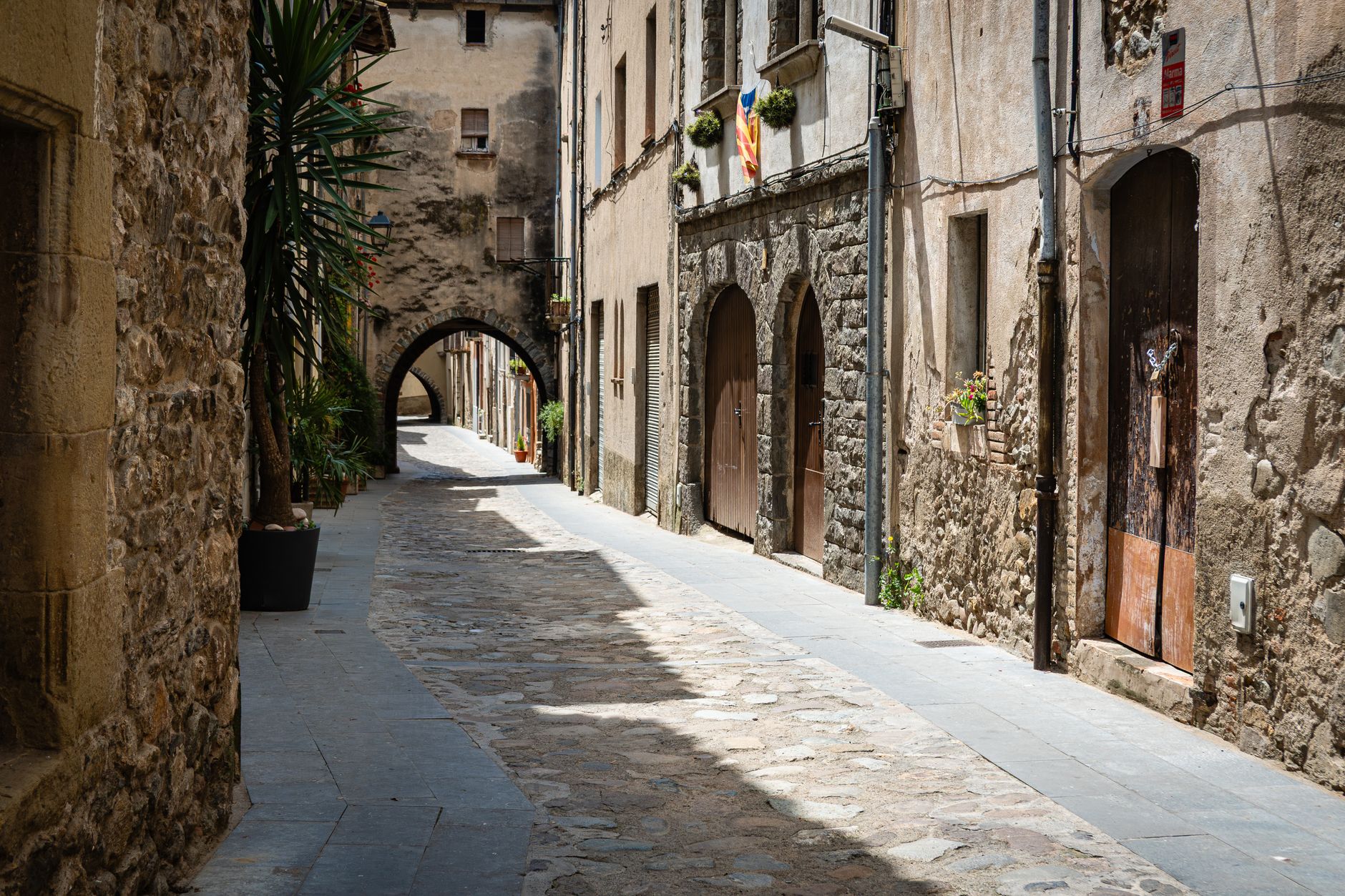
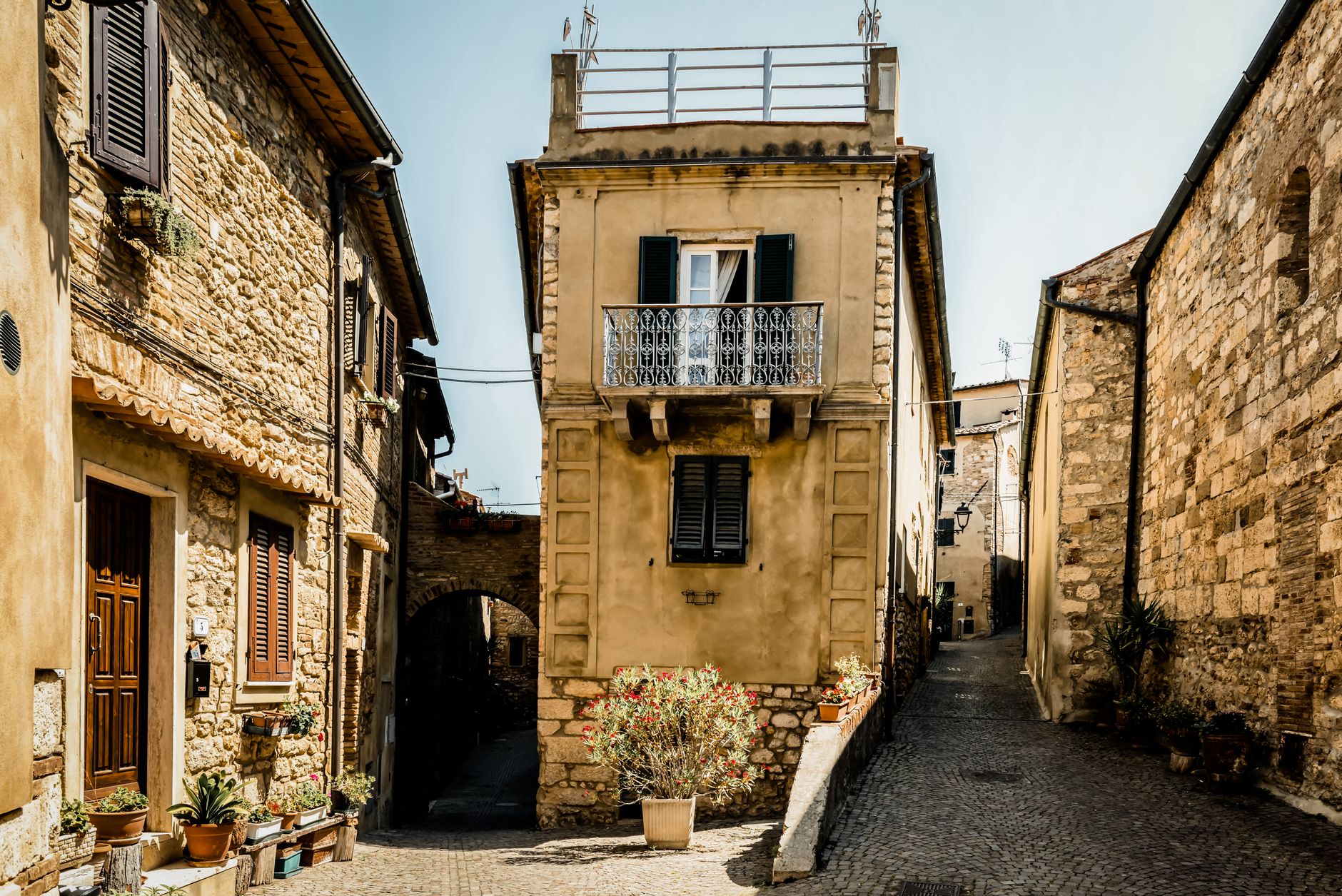
Peratallada is a compact, pedestrian maze of golden sandstone alleys encircled by a dry moat. The rhythm here is unhurried. Mornings belong to quiet walks along Carrer d'en Vas and Carrer de la Roca before the midday lunch crowd arrives. After a long meal of Empordà stews, visitors settle in Plaça de les Voltes for a drink under the stone arches. It suits travellers who prefer slow architectural wandering over frantic sightseeing checklists.
24 hours in Peratallada Catalonia Spain
Start early at the church of Sant Esteve before exploring the moat along Carrer de Jaume II. Sit down at two for a slow lunch of cuttlefish and meatballs at a stone-walled tavern. Spend late afternoon browsing ceramics on Carrer Major, then finish with an evening vermouth under the porticoes of Plaça de les Voltes. Select 1 Day above to see it.
2 days in Peratallada Catalonia Spain
Head five minutes north on your second morning to the Iberian ruins at Ullastret. In the afternoon, explore the pottery workshops of La Bisbal d'Empordà. For dinner, head to neighbouring Pals to eat traditional arròs a la cassola made with locally harvested rice and wild mushrooms. Choose 2 Days to expand the plan.
3 days in Peratallada Catalonia Spain
A third day allows for the coast. Drive twenty minutes east to walk the pine-shaded Camí de Ronda cliffs between Sa Riera and Aiguafreda. Return inland through the cork oak forests of the Gavarres hills for a casual supper of toasted pa amb tomàquet and cured sausage at an unpretentious country hostal.
Peratallada Catalonia Spain itineraries by interest
Traditional Dining in Peratallada Catalonia Spain
Order ànec amb peres (duck with pears) or arròs de Pals slow-cooked in earthenware casseroles across village taverns like Cal Bonay.
Medieval Architecture in Peratallada Catalonia Spain
Inspect the defensive ditch cut eight metres into sandstone rock and the thirteenth-century Romanesque church of Sant Esteve outside the walls.
Wine & Vineyards in Peratallada Catalonia Spain
Sample crisp DO Empordà Cariñena and white Garnatxa from nearby vineyards around Calonge, served cellar-cool in heavy tumblers.
Craft Traditions in Peratallada Catalonia Spain
Browse hand-thrown terracotta pots and glazed tiles in neighbouring La Bisbal d'Empordà, five kilometres west along the GI-664.
Historic Fortifications in Peratallada Catalonia Spain
Walk the perimeter of the eleventh-century castle keep and study the defensive portal towers cut into the original stone walls.
Local Produce in Peratallada Catalonia Spain
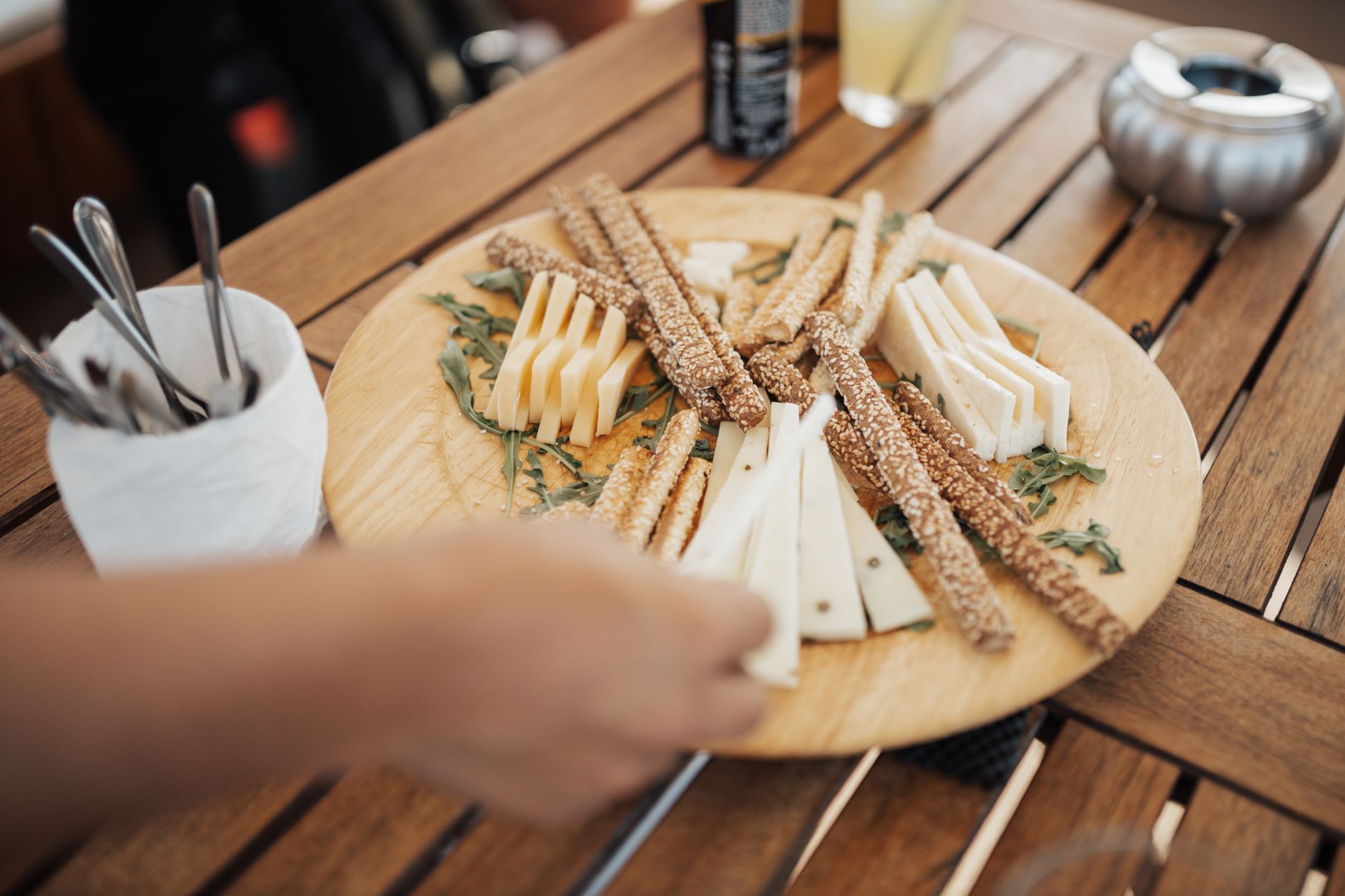
Pick up artisanal Recuit de drap goat cheese, local olive oils from Argiles, and bags of round-grain Pals rice from village shops.
Coastal Walks in Peratallada Catalonia Spain
Drive twenty minutes east to join the Camí de Ronda coastal path winding between the pine cliffs and coves around Begur.
Cycling in Peratallada Catalonia Spain
Rent a road bike to pedal the flat rural lanes linking Peratallada to neighbouring stone hamlets like Palau-sator and Ullastret.
Archaeology in Peratallada Catalonia Spain
Visit the Iberian settlement of Ullastret three kilometres north to explore stone foundations dating back to the sixth century BC.
Pastries & Baking in Peratallada Catalonia Spain
Try local xuixos filled with crema catalana and crisp anise-scented bunyols from village bakeries fresh in the morning.
Public Squares in Peratallada Catalonia Spain
Pull up a chair at Plaça de les Voltes to watch the late afternoon light hit the stone porticoes over a glass of dry vermouth.
Country Walking in Peratallada Catalonia Spain
Follow rural farm tracks south toward the wooded slopes of the Gavarres hills, bordered by cork oak forests and dry stone walls.