

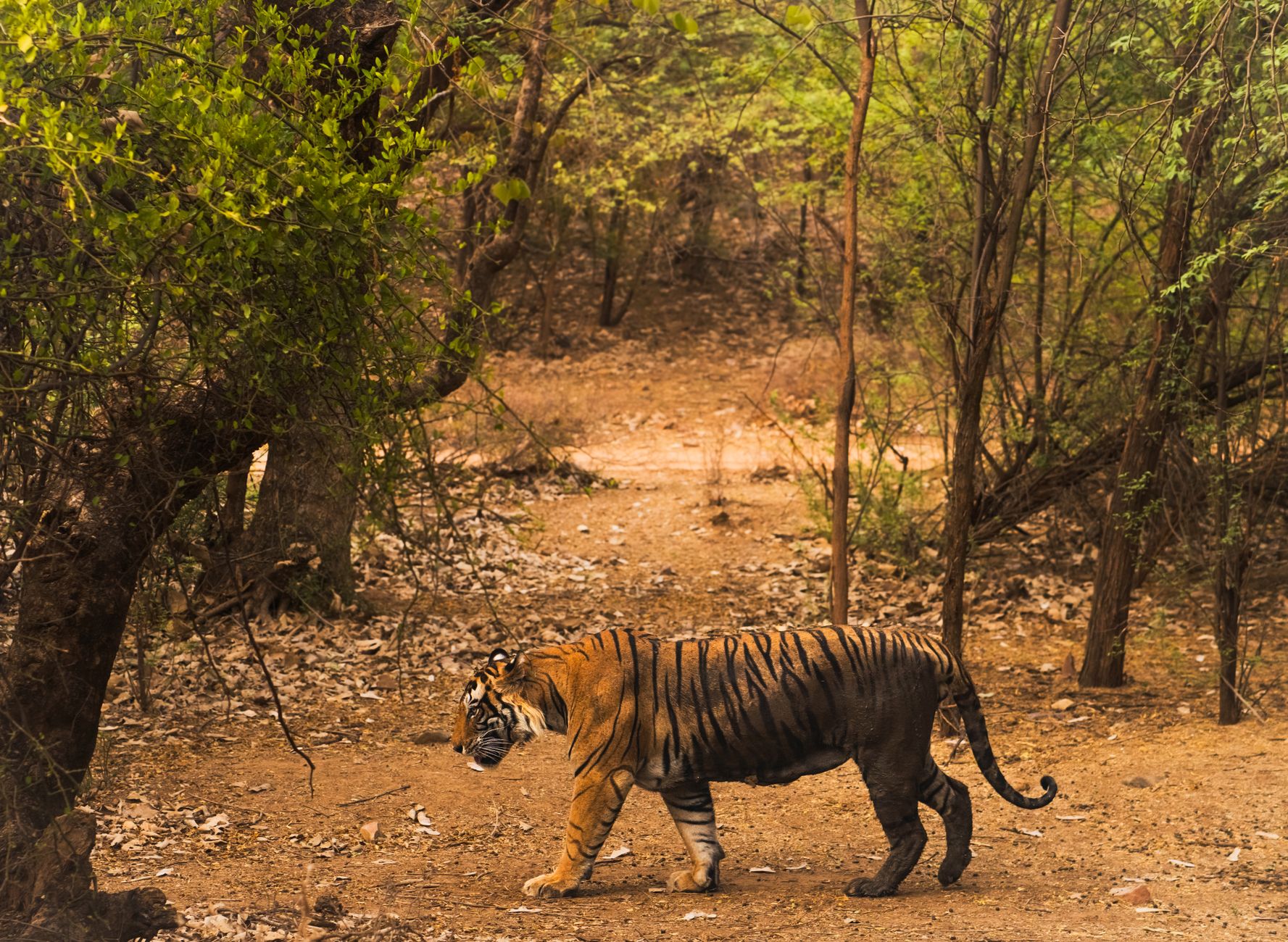
Sitting 160 kilometres southeast of Jaipur, Sawai Madhopur is reached in under three hours by train on the main line from Delhi or Rajasthan's capital. The town functions primarily around Ranthambore National Park, known for diurnal Bengal tiger sightings and a massive tenth-century hill fort. Sawai Madhopur is worth visiting if you want tracked wildlife safaris across dry scrub forest and ancient stone ramparts. Look elsewhere if you expect walkable urban streets, late-night dining, or varied museum culture.
Last updated 3 Nov 2026
Build a Sawai Madhopur itinerary.
Choose up to 4 threads that pull you in. Your plan arrives organised around them.
The Bed
Where to stay in Sawai Madhopur
Which part of town to book, and what each one costs you in walking, noise or quiet.
The Comparison
Sawai Madhopur, or somewhere near it
The places you are realistically choosing between, and the honest case for each.
The Local Record
Where to read more about Sawai Madhopur
The blogs, boards, guides and operators worth bookmarking.
What to do in Sawai Madhopur Rajasthan India
Sawai Madhopur is a split settlement: the dusty administrative rail town on one side and the hotel-lined Ranthambore Road stretching towards the reserve. Daily life strictly follows park gate timings, beginning with chilly pre-dawn tea and ending with early dinners after the afternoon drive. It suits wildlife enthusiasts, photographers, and travellers willing to brave rough tracks for historic wilderness.
24 hours in Sawai Madhopur Rajasthan India
Book an early morning safari into Ranthambore, warming up over station-side kachoris afterward. Spend the afternoon climbing into Ranthambore Fort to visit Trinetra Ganesha Temple before sunset, then settle in for a hearty dinner of daal baati churma along Ranthambore Road. Select 1 Day above to see it.
2 days in Sawai Madhopur Rajasthan India
Dedicate your second morning to a different safari zone for varied terrain. In the afternoon, explore Dhonk craft workshop to see local block printing, then take a taxi out to Surwal Lake at dusk to watch wintering waterfowl feed against an open rural horizon. Choose 2 Days to expand the plan.
3 days in Sawai Madhopur Rajasthan India
A third day allows an unhurried excursion south to the Chambal River for boat rides spotting fish-eating gharials and skimmers. Return through roadside guava orchards near Highway 118 for fresh fruit straight from wooden crates before catching an evening train.
Sawai Madhopur Rajasthan India itineraries by interest
Wildlife Tracking in Sawai Madhopur Rajasthan India
Board morning canters and gypsies into Ranthambore zones to track Bengal tigers, leopards, and marsh crocodiles around Padam Talao.
Hilltop Fortresses in Sawai Madhopur Rajasthan India
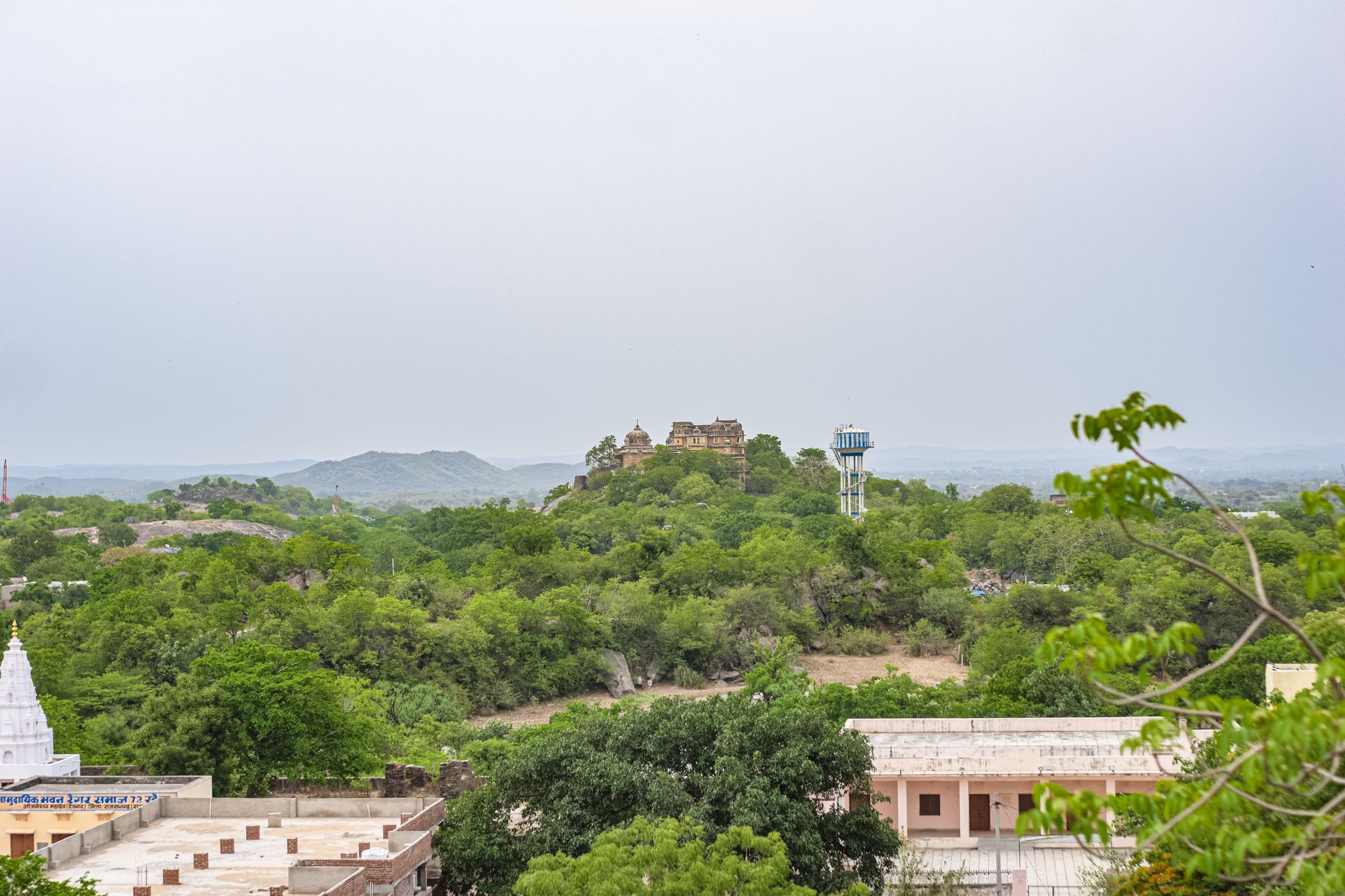
Climb the stone stairs of tenth-century Ranthambore Fort, exploring ruined palaces, cenotaphs, and sweeping views of the Vindhya range.
Sacred Architecture in Sawai Madhopur Rajasthan India
Join pilgrims walking up to the ancient Trinetra Ganesha Temple inside the fort walls, where wedding invitations arrive daily by post.
Street Food in Sawai Madhopur Rajasthan India
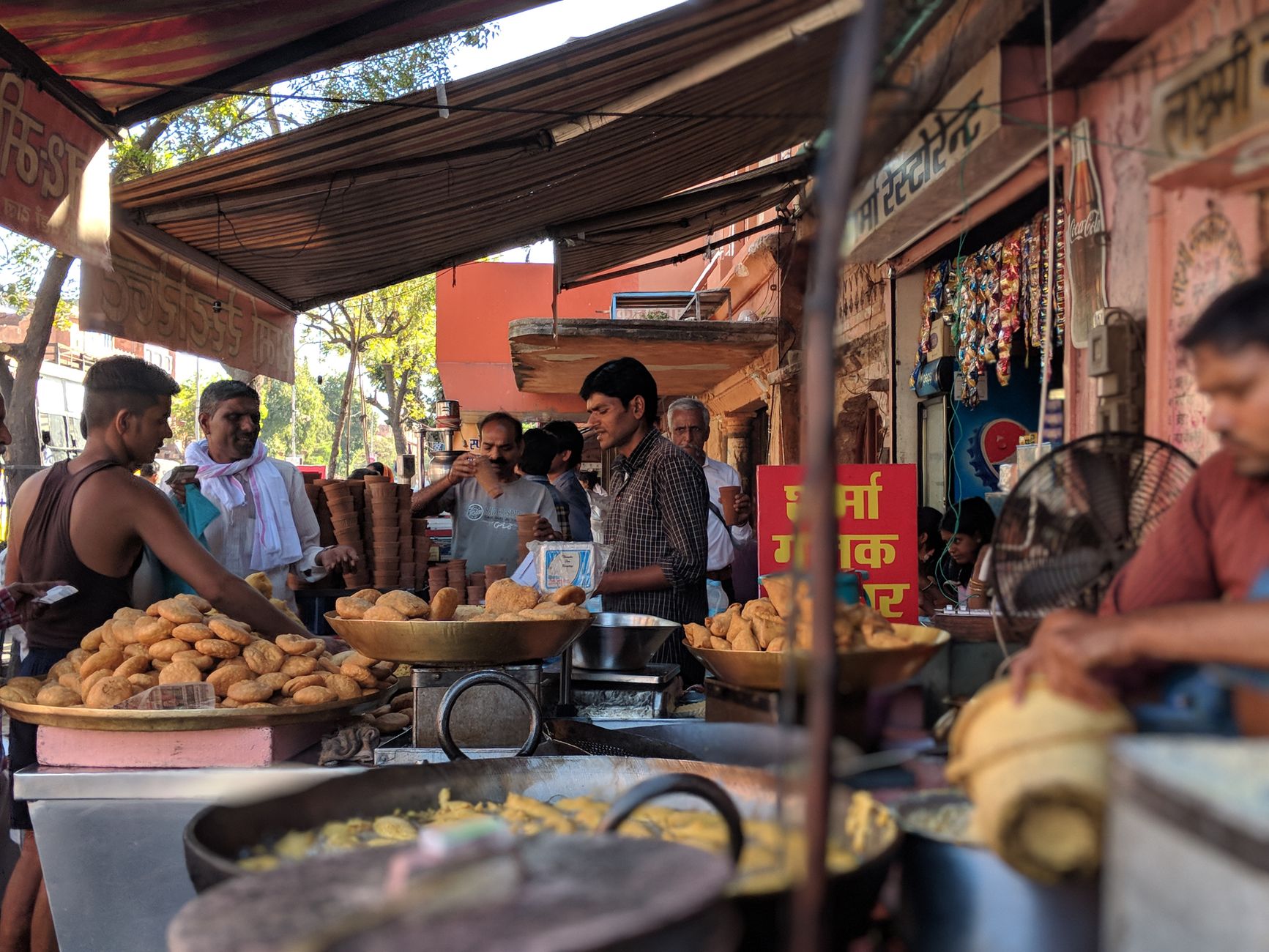
Grab hot pyaaz kachori and mirchi vadas fried in kadhais outside the railway junction, chased with sweet milky chai in clay cups.
Regional Cooking in Sawai Madhopur Rajasthan India
Order traditional Rajasthani daal baati churma and spicy laal maas cooked with local Mathania chillies at quiet roadside dhabas.
Craft Traditions in Sawai Madhopur Rajasthan India
Visit Dhonk and Village Women Craft along Ranthambore Road for hand-block printed cottons, patchwork quilts, and tiger-motif textiles.
Orchards & Produce in Sawai Madhopur Rajasthan India
Sample crisp, pink-fleshed local guavas sold by roadside growers along Highway 118 between November and February harvest months.
Birdwatching in Sawai Madhopur Rajasthan India
Spot migratory waterfowl, painted storks, and crested serpent eagles around Surwal Lake and Malik Talao during the cool dry season.
Village Walks in Sawai Madhopur Rajasthan India
Wander rural lanes in Khilchipur and Sherpur to see mud-plastered houses, terracotta tiles, and evening cattle returns at dusk.
Historic Ruins in Sawai Madhopur Rajasthan India
Explore Jogi Mahal at the edge of Padam Talao, standing beside India's second-largest banyan tree with roots dropping into water.
Day Trips in Sawai Madhopur Rajasthan India
Drive forty kilometres south to the dramatic river confluence and wild gharial sanctuaries along the National Chambal Sanctuary.
Train Travel in Sawai Madhopur Rajasthan India
Admire the painted station murals depicting forest wildlife, one of India's cleanest and best-maintained heritage railway stops.