Thiruvananthapuram.


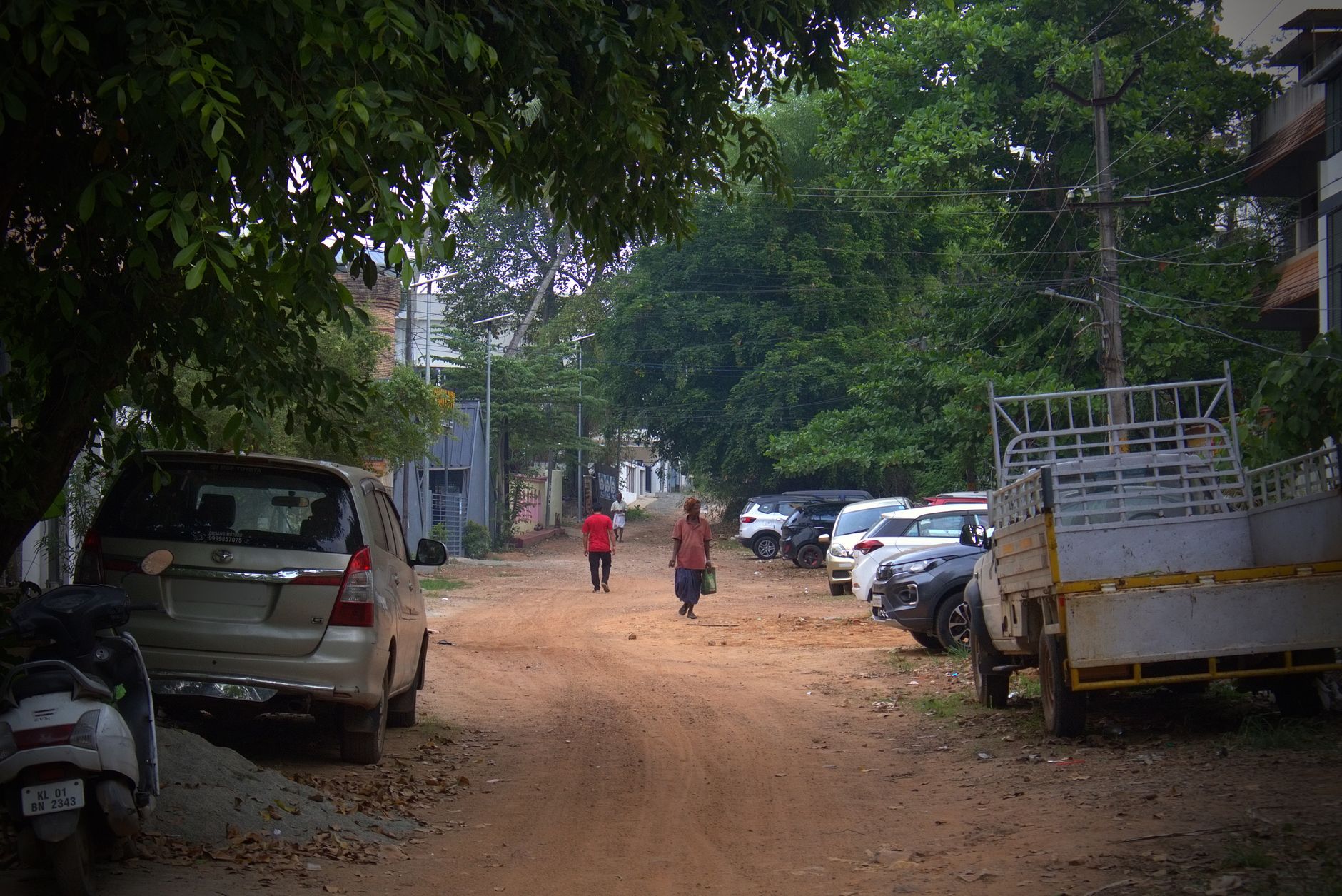
Sitting at the southern tip of Kerala with its own international airport and central rail terminal, Thiruvananthapuram is Kerala's working capital rather than a staged resort. The city is defined by the stone gopuram of Padmanabhaswamy Temple, the low-slung teak architecture of the Travancore kings, and fiery karimeen fry served on plantain leaves. Thiruvananthapuram is worth visiting if you want to eat coastal Keralan curries and inspect centuries of wooden palace architecture without tourist crowds. Look elsewhere if you want late-night bars, a walkable core between sights, or resort-style swimming beaches right in the city.
Last updated 11 Sept 2026
Build a Thiruvananthapuram itinerary.
Choose up to 4 threads that pull you in. Your plan arrives organised around them.
The Bed
Where to stay in Thiruvananthapuram
Which part of town to book, and what each one costs you in walking, noise or quiet.
The Comparison
Thiruvananthapuram, or somewhere near it
The places you are realistically choosing between, and the honest case for each.
The Local Record
Where to read more about Thiruvananthapuram
The blogs, boards, guides and operators worth bookmarking.
What to do in Thiruvananthapuram Thiruvananthapuram India
Thiruvananthapuram unfolds over gentle coastal hills between the Arabian Sea and the Western Ghats. The daily rhythm is sensible and slow: early temple visits before the heat sets in, unhurried plantain-leaf lunches at midday, and dusk strolls through East Fort or the Public Gardens. It suits travellers who prefer working Indian state capitals over manicured resort enclaves, rewarding curious eaters and architecture enthusiasts.
24 hours in Thiruvananthapuram Thiruvananthapuram India
Start at East Fort by 8:00 to see Kuthira Malika Palace, then walk through Chalai Market. Eat an expansive vegetarian sadhya lunch at Mothers Veg Plaza near Bakery Junction. Spend the late afternoon admiring the brickwork at Napier Museum, finishing with fried fish at Kovalam by sundown, thirty minutes south. Select 1 Day above to see it.
2 days in Thiruvananthapuram Thiruvananthapuram India
Day two heads 50 kilometres south to Padmanabhapuram Palace to study Travancore woodcraft in teak and rosewood. Return via Balaramapuram to watch kasavu weavers at their looms, ending with a dinner of spicy beef fry and flaky parottas along the bustling avenues of Palayam. Choose 2 Days to expand the plan.
3 days in Thiruvananthapuram Thiruvananthapuram India
A third day lets you head inland. Drive two hours into the Western Ghats toward the cool hill slopes of Ponmudi, stopping for cardamom tea and pazham pori fritters along the hairpin roads, or spend a quiet morning drifting by boat through the forested waters behind Neyyar Dam.
Thiruvananthapuram Thiruvananthapuram India itineraries by interest
Local Seafood in Thiruvananthapuram Thiruvananthapuram India
Karimeen pollichathu baked in banana leaves and spicy seer fish curry served alongside flaky parottas in small Chalai Bazaar canteens.
Sacred Architecture in Thiruvananthapuram Thiruvananthapuram India
The 16th-century granite gopuram of Padmanabhaswamy Temple and the brass lamps lighting the stone corridors of the Attukal Bhagavathy shrine.
Palaces & Heritage in Thiruvananthapuram Thiruvananthapuram India
The 140 carved timber ceilings at Padmanabhapuram Palace and the breezy clay-tiled verandahs of Kuthira Malika Palace near East Fort.
Markets & Produce in Thiruvananthapuram Thiruvananthapuram India
Chalai Market for black pepper, dried red chillies, raw green plantains, and strings of fresh jasmine woven on the pavement each morning.
Traditional Art in Thiruvananthapuram Thiruvananthapuram India
Evening Kathakali performances at Margi Theatre, featuring elaborate makeup rituals and drum-driven Keralan classical dance-drama.
Coastal Walks in Thiruvananthapuram Thiruvananthapuram India
The red laterite cliff path at Varkala and the quiet palm-backed headlands above the fishing skiffs at Kovalam's Lighthouse Beach.
Street Food in Thiruvananthapuram Thiruvananthapuram India
Crisp pazham pori banana fritters and spiced beef fry served with hot cardamom tea at late-night roadside stalls across Palayam.
Museums & Galleries in Thiruvananthapuram Thiruvananthapuram India
The Napier Museum for bronze Chola idols and Robert Chisholm's Indo-Saracenic brickwork, set inside the shaded Public Gardens.
Vegetarian Dining in Thiruvananthapuram Thiruvananthapuram India
Traditional multi-course Onam-style sadhya meals served on banana leaves with avial, thoran, and red rice at Mothers Veg Plaza.
Craft Traditions in Thiruvananthapuram Thiruvananthapuram India
Handloom cotton weavers working wooden pit looms in Balaramapuram, producing fine gold-bordered kasavu sarees since the 18th century.
Day Trips in Thiruvananthapuram Thiruvananthapuram India
The freshwater lakes of Neyyar Dam and the wild tea plantations rising toward the misty southern Western Ghats at Ponmudi.
Botanical Gardens in Thiruvananthapuram Thiruvananthapuram India
The 1857 Public Gardens and Zoo grounds, shaded by centuries-old banyans, wild cinnamon trees, and sprawling rain-tree canopies.